

Commentary
It should address the shortcomings of previous crisis communication efforts and adapt to the demands of frontier AI.
Lucy Luo
{
  "authors": [
    "Ruan Zongze",
    "Dmitri Trenin"
  ],
  "type": "legacyinthemedia",
  "centerAffiliationAll": "dc",
  "centers": [
    "Carnegie Endowment for International Peace",
    "Carnegie China",
    "Carnegie Russia Eurasia Center"
  ],
  "collections": [
    "China’s Foreign Relations"
  ],
  "englishNewsletterAll": "ctw",
  "nonEnglishNewsletterAll": "",
  "primaryCenter": "Carnegie Russia Eurasia Center",
  "programAffiliation": "russia",
  "programs": [
    "Russia and Eurasia"
  ],
  "projects": [],
  "regions": [
    "East Asia",
    "China",
    "Russia"
  ],
  "topics": [
    "Foreign Policy"
  ]
}
Source: Getty
The Chinese Dream, an idea floated by Chinese President Xi Jinping, has far-reaching implications for every part of society in China.
Source: China Radio International’s People In the Know
The Chinese Dream, an idea floated by Chinese President Xi Jinping, has far-reaching implications for every part of society in China. On the China Radio International, Carnegie Moscow Center’s Dmitri Trenin discussed this issue with Zheng Chenguang. He was joined by Ruan Zongze, senior fellow and vice president of the China Institute of International Studies.According to Trenin, the Chinese Dream program is a sign of recognition by Xi Jinping of a global trend that gives more and more attention to certain values in the foreign policy. For example, he explained that China has realized the importance of being perceived as an attractive state by foreign audiences. In order to create this popular image, Beijing has begun promoting China as an open country, dedicated to peaceful conflict management and diplomacy backed by active investment and a growing economy.
Turning to the bilateral relationship between China and Russia, Trenin suggested that current efforts toward Russian-Chinese cooperation should be continued and added that the future demands closer economic relations and more ties between ordinary people.
This interview was originally broadcast on China Radio International.
Ruan Zongze
Former Director, Carnegie Moscow Center
Trenin was director of the Carnegie Moscow Center from 2008 to early 2022.
Carnegie does not take institutional positions on public policy issues; the views represented herein are those of the author(s) and do not necessarily reflect the views of Carnegie, its staff, or its trustees.
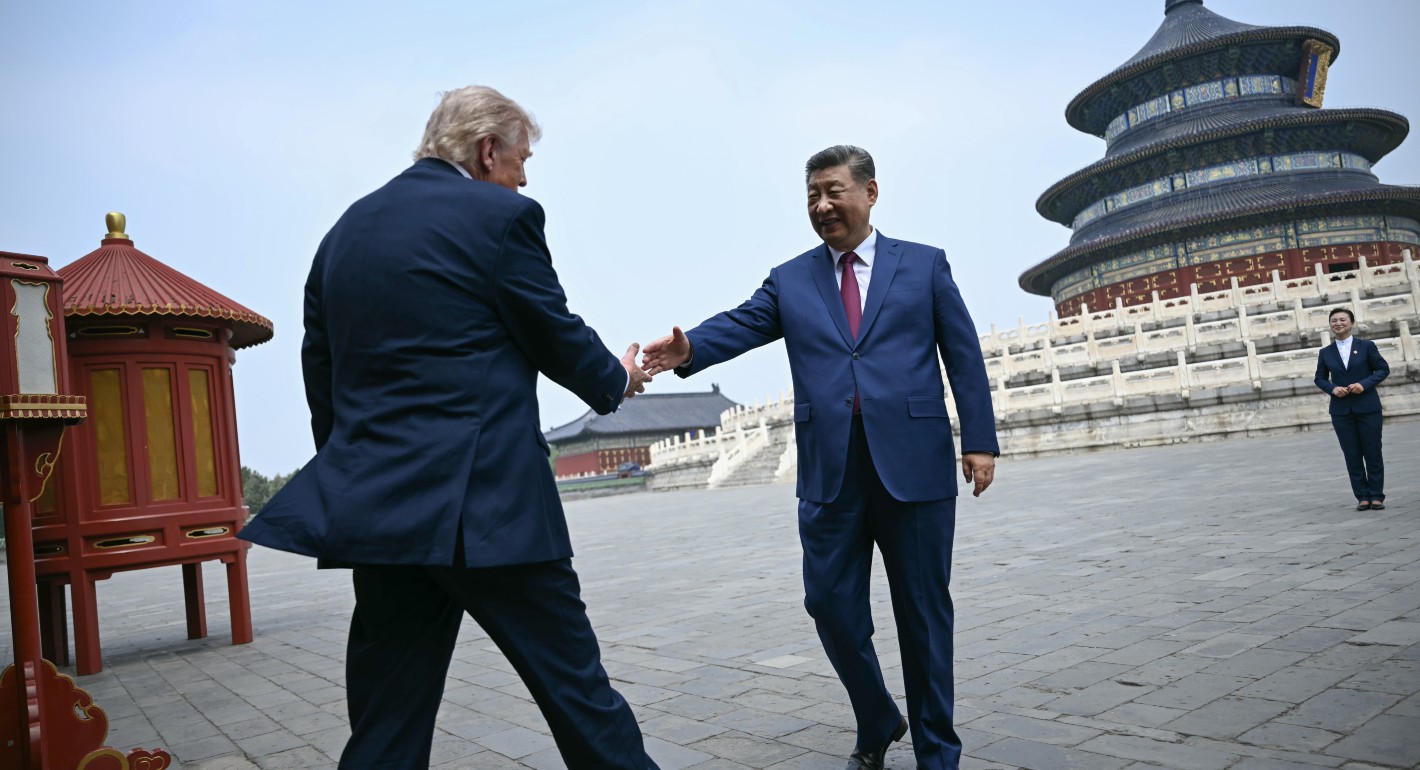
It should address the shortcomings of previous crisis communication efforts and adapt to the demands of frontier AI.

Lucy Luo
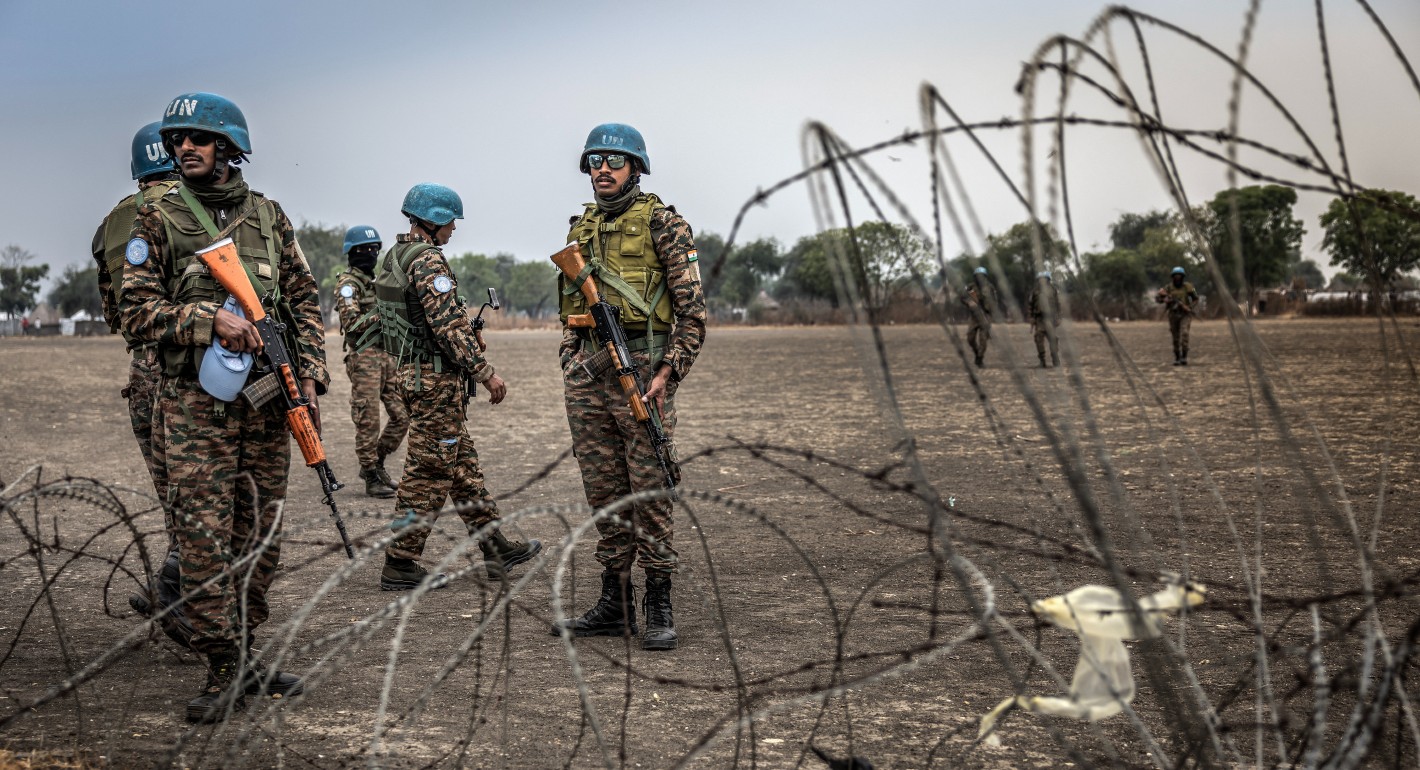
Washington’s decision to support some UN functions while letting others wither is pulling the organization apart at the seams.

Stewart Patrick, Theodore Zaritsky

Are Germany’s economic, industrial, and political struggles becoming a liability for the EU’s ability to rise to the geopolitical moment?

Rym Momtaz, ed.

Russia’s ruling party would have benefited from Putin appearing as its distant patron, but as an active frontman imposing his views on the public, he has done nothing but harm both the party’s election campaign and the ruling system overall.

Andrey Pertsev

China’s police training infrastructure construction projects provide benefits to recipient countries, promote China’s image as a major global security provider, and are likely to reinforce alignment between Beijing’s security priorities and those of countries in the Global South.


Cameron Waltz, Sheena Chestnut Greitens, Kim Nguyen, …