

Commentary
Thomas de Waal
{
  "authors": [
    "Thomas de Waal"
  ],
  "type": "commentary",
  "centerAffiliationAll": "",
  "centers": [
    "Carnegie Endowment for International Peace",
    "Carnegie Europe",
    "Carnegie Russia Eurasia Center"
  ],
  "collections": [],
  "englishNewsletterAll": "",
  "nonEnglishNewsletterAll": "",
  "primaryCenter": "Carnegie Europe",
  "programAffiliation": "",
  "programs": [],
  "projects": [],
  "regions": [
    "Caucasus",
    "Georgia"
  ],
  "topics": [
    "Political Reform"
  ]
}
Source: Getty
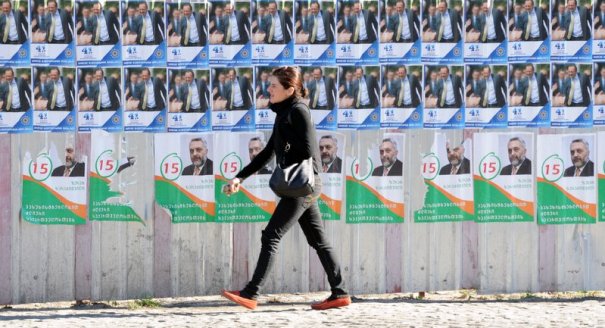
The coming presidential election in Georgia on October 27 will be straightforward and uninteresting. The post of president is being trimmed down and will lose most of its executive functions. And yet, the candidates are as if conspiring to give the poll a lot more drama than might have been expected a few weeks ago.
Even when it tries to, Georgian politics fails to be dull.
On the face of it, everyone expected that the coming presidential election in Georgia on October 27 will be straightforward and uninteresting. It marks the final exit of the flamboyant Mikheil Saakashvili almost ten years after he came to power. The post of president is being trimmed down under the new constitution and will lose most of its executive functions. By contrast, the favorite to get the job, the candidate of the governing Georgian Dream coalition, Giorgi Margvelashvili was not even well known in Georgia earlier this year.
And yet, the candidates are as if conspiring to give the poll a lot more drama than might have been expected a few weeks ago. The first surprise is the strong performance of the woman aptly described by Michael Cecire as “Nino ‘Nine Lives’ Burjanadze.”
Burjanadze was one of the three leaders of the 2003 Rose Revolution, later speaker of parliament and in that capacity twice served as interim president of Georgia. In the last few years, she has made a sharp pivot away from her former positions. She now stands on a platform that calls for a much more aggressive campaign against her former colleagues from Mikheil Saakashvili’s government and a much closer rapprochement with Russia.
Burjanadze has too much baggage to win her the election—most Georgians will not forgive her their public meeting with Vladimir Putin in 2010. But her favorability ranking leapt between June and September 2013 from 21 to 33 percent in polls commissioned by the National Democratic Institute. So Burjanadze is now competing for second place with the candidate of the former ruling party, the United National Movement, David Bakradze.
And that could be interesting because if both poll large numbers of votes they could force a second round. That is something that Margvelashvili has said is unthinkable. So unthinkable that he has tied himself up in a knot of his own making by insisting that if there is a second round of voting he would not participate in it. In other words, if Margvelashvili polls 49 percent of the vote on Sunday, Georgia will wake up to a big political mess on Monday.
Senior Fellow, Carnegie Europe
Thomas de Waal is a senior fellow at Carnegie Europe, specializing in Eastern Europe and the Caucasus.
Recent Work
Thomas de Waal
Thomas de Waal
Carnegie does not take institutional positions on public policy issues; the views represented herein are those of the author(s) and do not necessarily reflect the views of Carnegie, its staff, or its trustees.
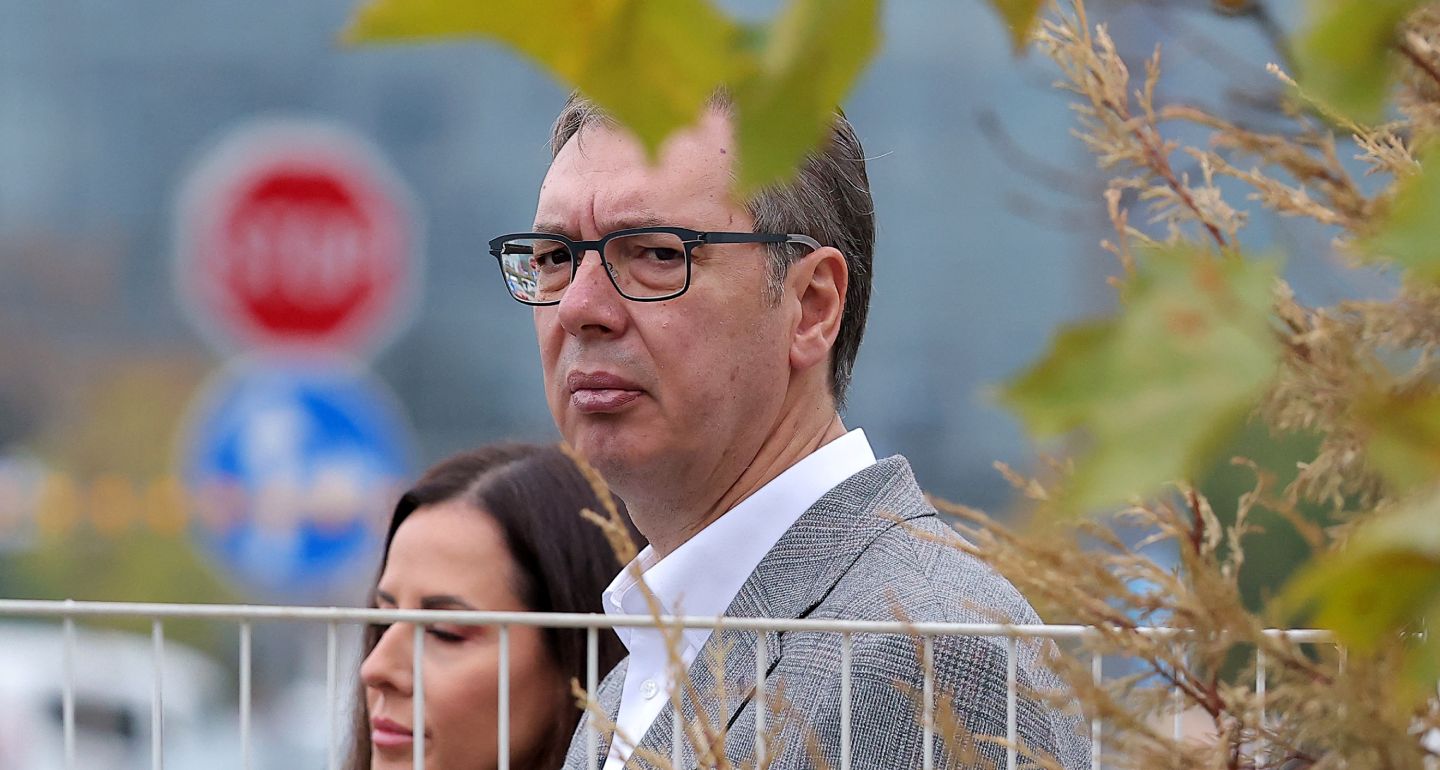
After two years of mass protests, Serbia’s student-led movement has ousted Aleksandar Vučić. Now the Student List must prove it can deliver on its promises.
Dimitar Bechev
The new Serbian leadership may have promised to keep on cooperating with Russia, but soon they will have to make a choice between fighting corruption and sealing lucrative deals with Moscow. The two are mutually exclusive, even if the new leaders in Belgrade haven’t yet realized it.
Maksim Samorukov
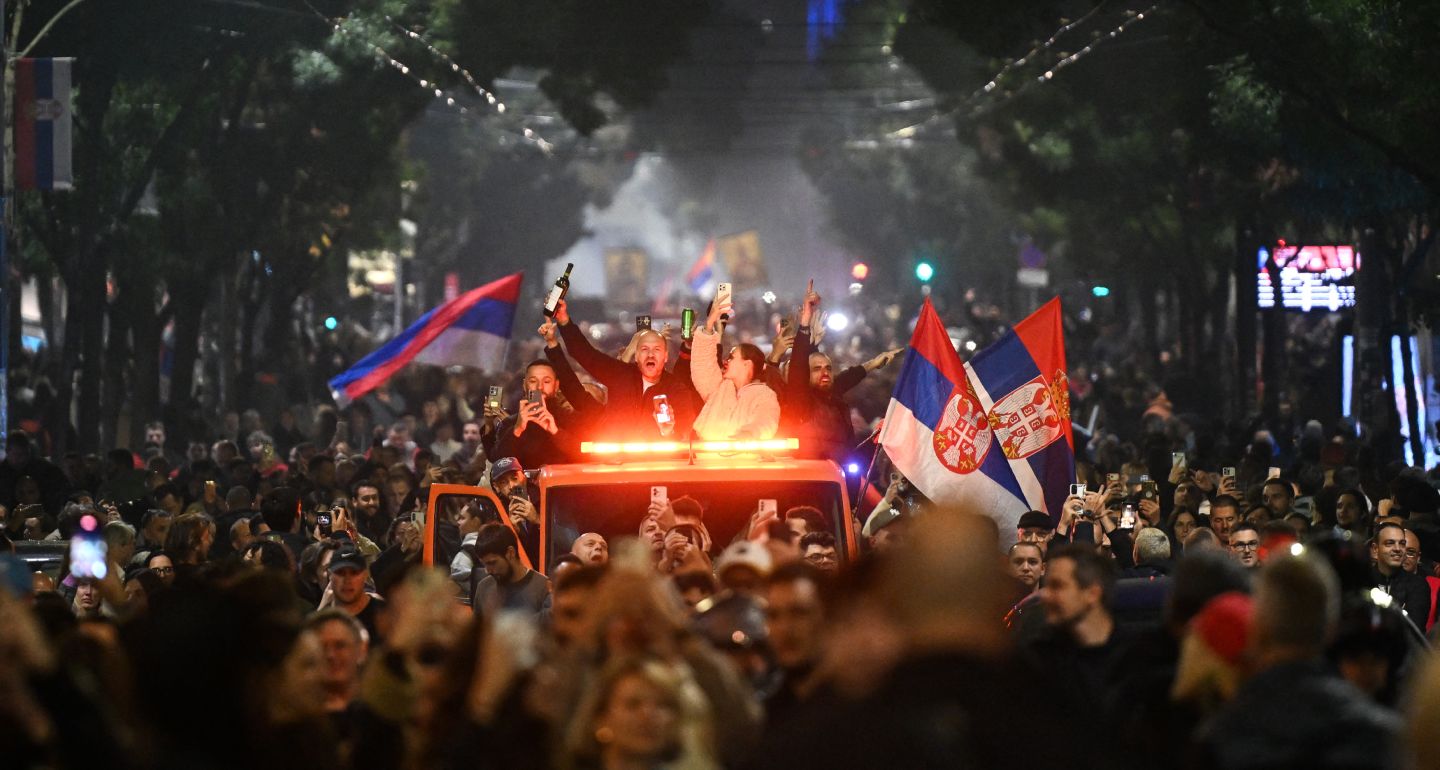
Serbia’s electoral earthquake is an extremely rare example of an entire political system being defeated by street protesters who played by the rules.

Alexander Baunov
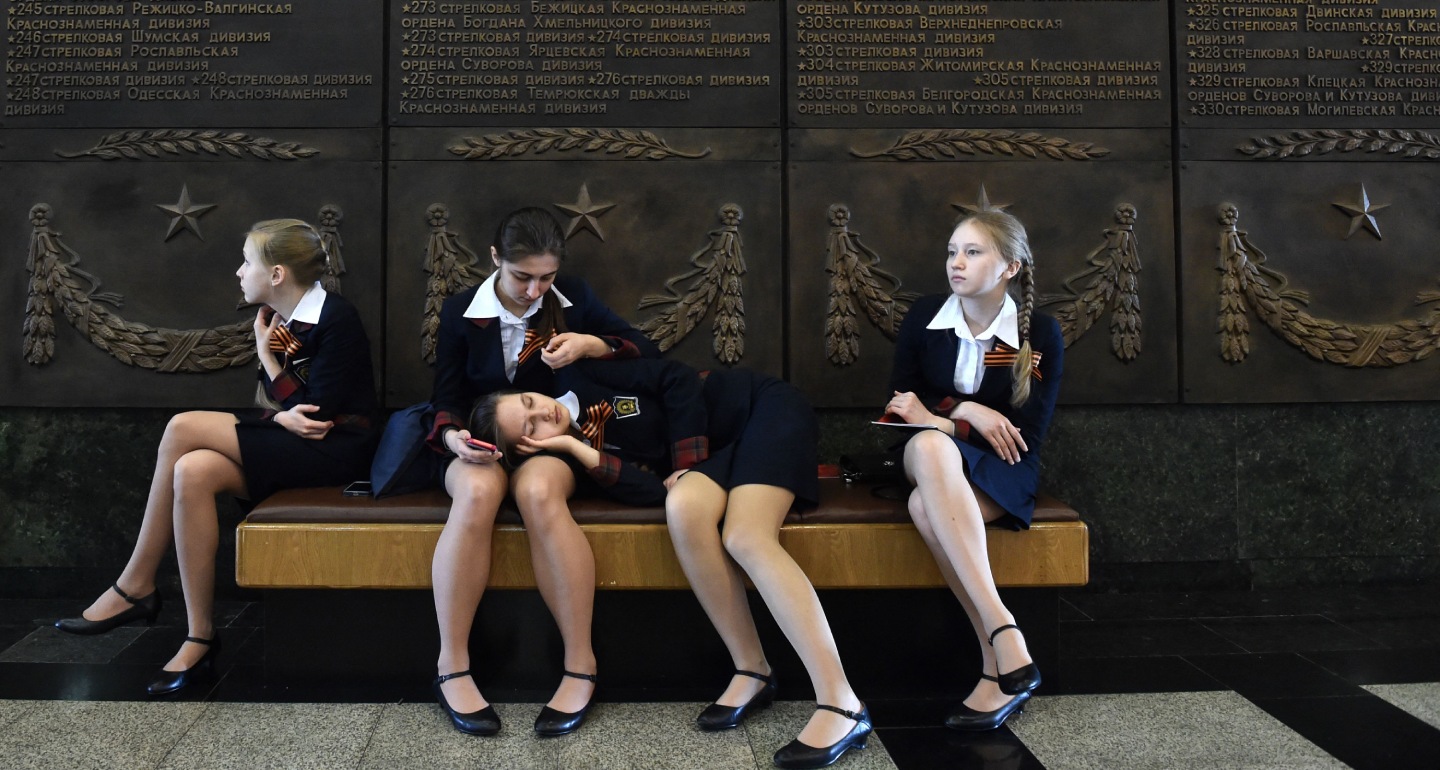
The concept authored by Sergei Kiriyenko and his team can be considered not only an apologia for the Putin regime, but also a blueprint for Russia’s future configuration.
Andrey Pertsev
The pressures of war are gradually warping Russia’s system of governance, making it more vulnerable to a future crisis.
Tatiana Stanovaya