

Research
- +6
Yasmine Farouk, Nathan J. Brown, Maysaa Shuja Al-Deen, …
{
  "authors": [
    "Michele Dunne"
  ],
  "type": "legacyinthemedia",
  "centerAffiliationAll": "dc",
  "centers": [
    "Carnegie Endowment for International Peace"
  ],
  "collections": [
    "Arab Awakening"
  ],
  "englishNewsletterAll": "menaTransitions",
  "nonEnglishNewsletterAll": "",
  "primaryCenter": "Carnegie Endowment for International Peace",
  "programAffiliation": "MEP",
  "programs": [
    "Middle East"
  ],
  "projects": [],
  "regions": [
    "North Africa",
    "Egypt"
  ],
  "topics": [
    "Political Reform",
    "Economy"
  ]
}
Source: Getty
Restoring the kind of stability that would allow the Egyptian government to make clear economic decisions is going to require not just a government in control, but also a government that has a lot more consensus.
Source: Council on Foreign Relations
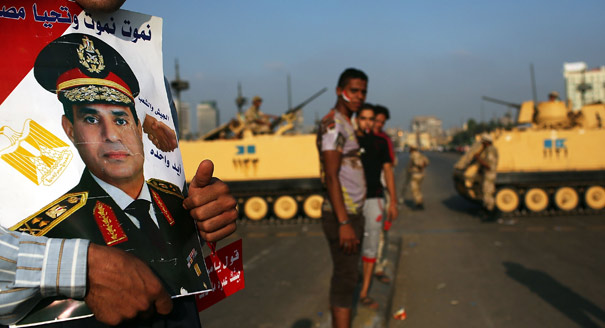
“Egypt is in, I believe, a very prolonged process of change and we really don’t know how things are going to come out,” said Carnegie’s Michele Dunne at the Council on Foreign Relations’ roundtable discussion on Egypt’s transition. Restoring the kind of stability that would allow the government to make clear economic decisions, Dunne argued, is going to require not just a government in control, but also a government that has a lot more consensus. In order to revive the economy more broadly and bring back investment, Dunne said Egypt will need greater stability.
Egypt’s security services were never reformed since Mubarak left, Dunne added, and have been reinvigorated and re-empowered in carrying out significant abuses without much control. She contended that the policy that Abdel Fattah el-Sisi and the current government are pursuing will not lead to stabilization, noting that the current crackdown will engender more violence and demonstrations, as the country lurches from crisis to crisis, economic and political.
This discussion was originally published at the Council on Foreign Relations.

Former Nonresident Scholar, Middle East Program
Michele Dunne was a nonresident scholar in Carnegie’s Middle East Program, where her research focuses on political and economic change in Arab countries, particularly Egypt, as well as U.S. policy in the Middle East.
Recent Work


Yasmine Farouk, Nathan J. Brown, Maysaa Shuja Al-Deen, …
Robert Springborg, Emile Hokayem, Becca Wasser, …
Carnegie does not take institutional positions on public policy issues; the views represented herein are those of the author(s) and do not necessarily reflect the views of Carnegie, its staff, or its trustees.
The ruling elites in contemporary Russia are not a political class, but a community of managers who are not subject to competition or public accountability. The state is becoming an operating apparatus without any internal autonomy.

Alexandra Prokopenko
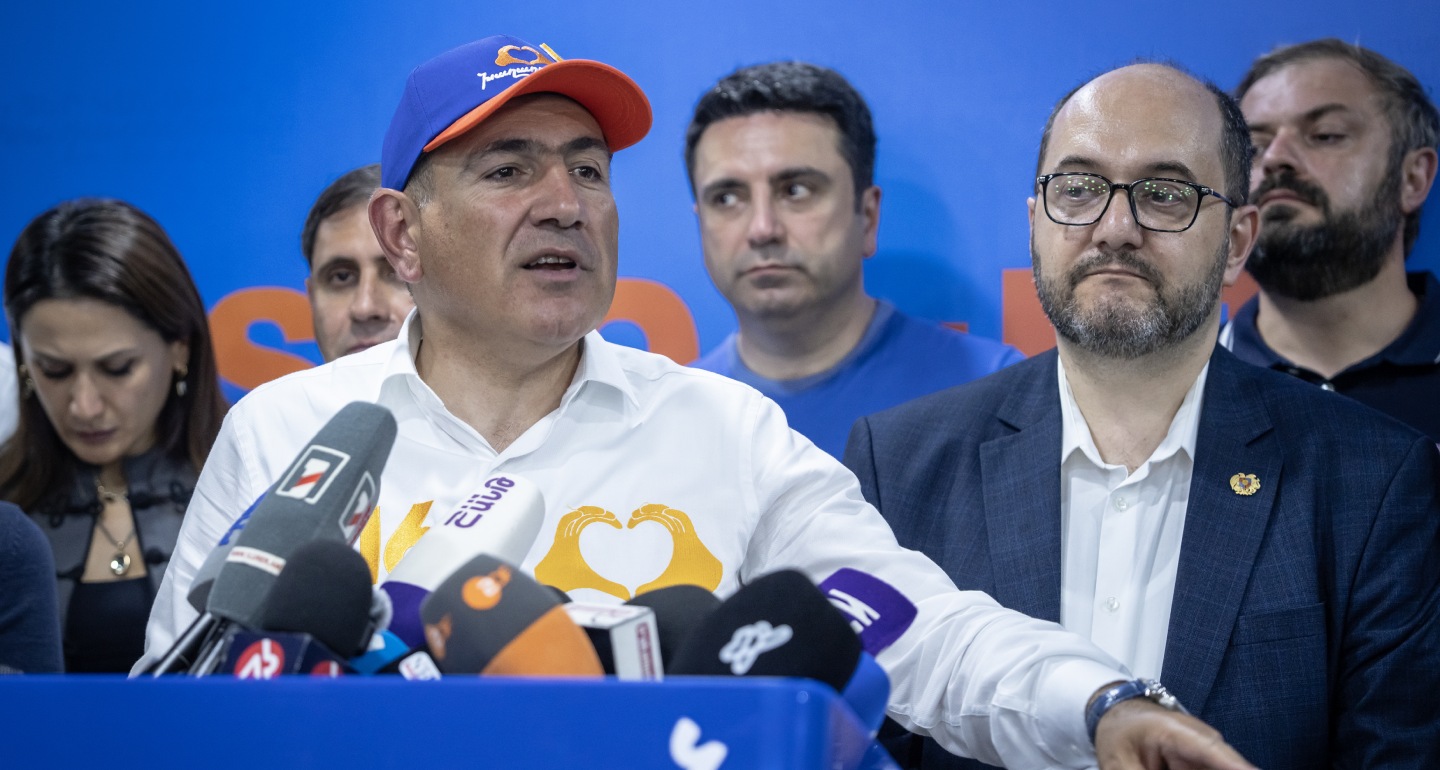
Pashinyan’s pro-European party has been re-elected with a decisive victory. But the pro-Russian opposition could still slow Armenia’s progress toward peace with Azerbaijan and rapprochement with Europe.
Mikayel Zolyan
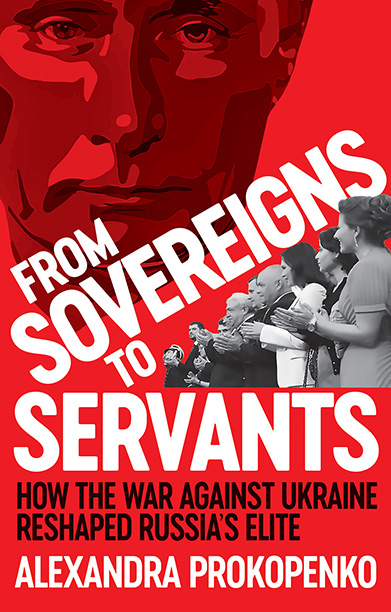
How did Putin co-opt Russia’s political and economic elites, ensuring no more than fitful resistance to the regime’s war on Ukraine?
Alexandra Prokopenko
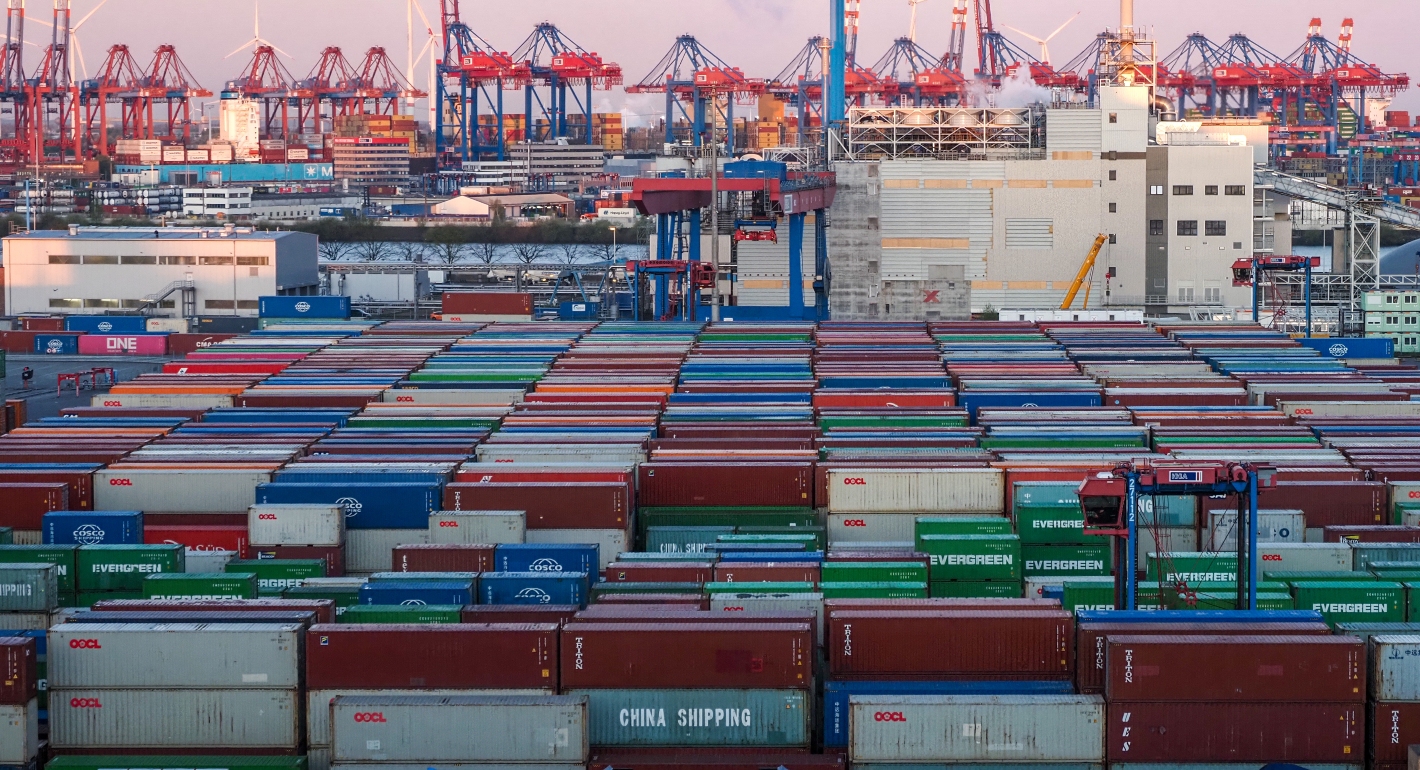
As geopolitical rivalry weaponizes global supply chains, the EU’s true vulnerability lies in emerging-risk imports. For these goods, suppliers are growing more concentrated, substitution more difficult, and political risk is looming.

Sinan Ülgen
It’s time to build momentum, and Ankara is the venue of the next opportune diplomatic window to do this.

Alper Coşkun, Garo Paylan