

Article
Thomas de Waal
{
  "authors": [
    "Thomas de Waal"
  ],
  "type": "legacyinthemedia",
  "centerAffiliationAll": "dc",
  "centers": [
    "Carnegie Endowment for International Peace",
    "Carnegie Europe"
  ],
  "collections": [],
  "englishNewsletterAll": "ctw",
  "nonEnglishNewsletterAll": "",
  "primaryCenter": "Carnegie Europe",
  "programAffiliation": "russia",
  "programs": [
    "Russia and Eurasia"
  ],
  "projects": [],
  "regions": [
    "Russia"
  ],
  "topics": [
    "Security"
  ]
}
Source: Getty
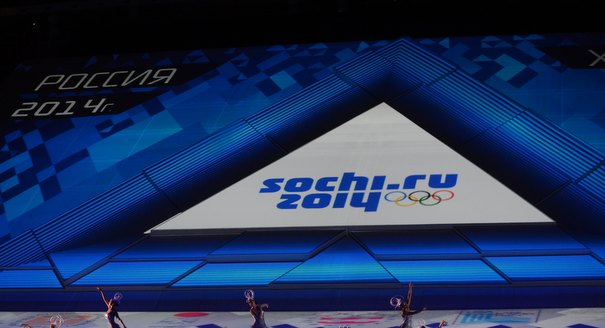
The Sochi Olympics may actually be one of the safest places in Russia, but terrorists could still affect the Olympics by carrying out an attack elsewhere.
Source: WBEZ
Speaking on WBEZ's Worldview, Carnegie's Tom de Waal stated that the Winter Olympics in Sochi may actually be one of the safest places in Russia due to the extensive security measures. The bigger problem is that terrorists can affect the Olympic Games by carrying out an attack near Sochi or even in another city, he said. He suggested that the threat of so-called "black widows," female suicide bombers, might be exagerated due to a Russian paranoia about this issue. He also cast doubt on the role of the Caucasus Emirate as an organization, suggesting that it would better to view the North Caucasus insurgency as many small groups of individuals.

Senior Fellow, Carnegie Europe
Thomas de Waal is a senior fellow at Carnegie Europe, specializing in Eastern Europe and the Caucasus.
Recent Work
Thomas de Waal
Thomas de Waal
They face an uphill climb, but they could draw on a strategy that other diplomats have used in the past.


Shana Tabak, Alejandro Martin Rodriguez

European Commission President Ursula von der Leyen is about to give her annual address on the state of the EU. Here’s what she won’t—but should—say.

Rym Momtaz

Depleted financial reserves and a shrinking tax base mean it is no longer possible to simultaneously deliver high defense spending, price stability, and economic growth.

Alexandra Prokopenko

Understanding the climatic pain points is necessary for policymakers hoping to minimize the war’s negative environmental consequences.


Alejandro Martin Rodriguez, Joy Arkeh, Sarah Yerkes

The books, podcasts, and films that explain the world it made.

Andrew Leber