

Q&A
Eugene Rumer
{
  "authors": [
    "Eugene Rumer"
  ],
  "type": "commentary",
  "centerAffiliationAll": "",
  "centers": [
    "Carnegie Endowment for International Peace",
    "Carnegie Russia Eurasia Center"
  ],
  "collections": [],
  "englishNewsletterAll": "",
  "nonEnglishNewsletterAll": "",
  "primaryCenter": "Carnegie Endowment for International Peace",
  "programAffiliation": "",
  "programs": [],
  "projects": [],
  "regions": [
    "Eastern Europe",
    "Ukraine"
  ],
  "topics": [
    "Political Reform"
  ]
}
Source: Getty
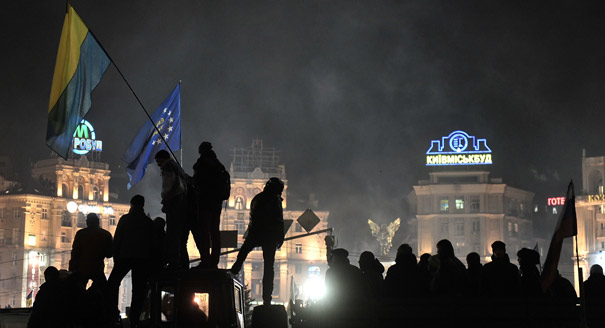
With all eyes on the simmering crisis in Crimea, the new provisional Ukrainian government in Kyiv is sending few, if any signs that it is seeking reconciliation.
With all eyes on the simmering crisis in Crimea, the new provisional Ukrainian government in Kyiv is sending few, if any signs that it is seeking reconciliation. Perhaps, a rumored visit by acting President Oleksandr Turchynov and acting Defense Minister Ihor Tenyukh might help calm the situation there, but the composition of the new government approved earlier today by the Rada is bound to raise questions about the new Kyiv team's interest in bringing all factions and parties together. Perhaps, most notable is the absence of Vitaliy Klichko's UDAR: the party is not in represented in the cabinet. It has issued a statement of support for the new government, but has not explained why it is not in it. Perhaps, Klichko does not want to be associated with the difficult and almost certainly unpopular decisions the new government will have to make?—Not clear at this point.
Yulia Tymoshenko's and Arseniy Yatsenyuk's Batkivshchyna (Fatherland) is well represented in the new cabinet with Yatsenyuk as the Prime Minister, Justice Minister Pavlo Petrenko, Minister of the Interior Arsen Avakov, and several others perhaps not formally affiliated with the party but previously associated with Tymoshenko during her time as Prime Minister.
Perhaps, the most questions about the new government's direction will be raised by several key appointments of ultra-nationalist Svoboda (Freedom) and Pravyi Sektor (Right Sector) members to leading roles in the Defense Ministry, National Defense and Security Council, and the Prosecutor General's office. Tenyukh is a member of Freedom. While a former Fatherland deputy and leader of the Maidan self-defense force Andriy Parubiy is the new head of the National Defense and Security Council, the leader of the far-right Right Sector Dmytro Yarosh was offered the post of his deputy. The newly-created lustration commission presumably to be tasked with investigating collaborators with the old regime and security services, will be headed by Maidan activist and reporter Yegor Sobolev.So far, this does not look like a team that is likely to bring everyone under one big tent.
Director and Senior Fellow, Russia and Eurasia Program
Rumer, a former national intelligence officer for Russia and Eurasia at the U.S. National Intelligence Council, is a senior fellow and the director of Carnegie’s Russia and Eurasia Program.
Recent Work
Eugene Rumer
Eugene Rumer
Carnegie does not take institutional positions on public policy issues; the views represented herein are those of the author(s) and do not necessarily reflect the views of Carnegie, its staff, or its trustees.
Hungary under Viktor Orbán deployed right-wing populism as a foreign policy strategy, embedding the country in a web of illiberal transnational networks whose legacy will endure even after his April 2026 electoral defeat.
Zsuzsanna Végh
By fueling the arguments of both supporters and opponents of Armenian Prime Minister Nikol Pashinyan, Azerbaijan wants to ensure he is re-elected with a weaker mandate.

Bashir Kitachaev
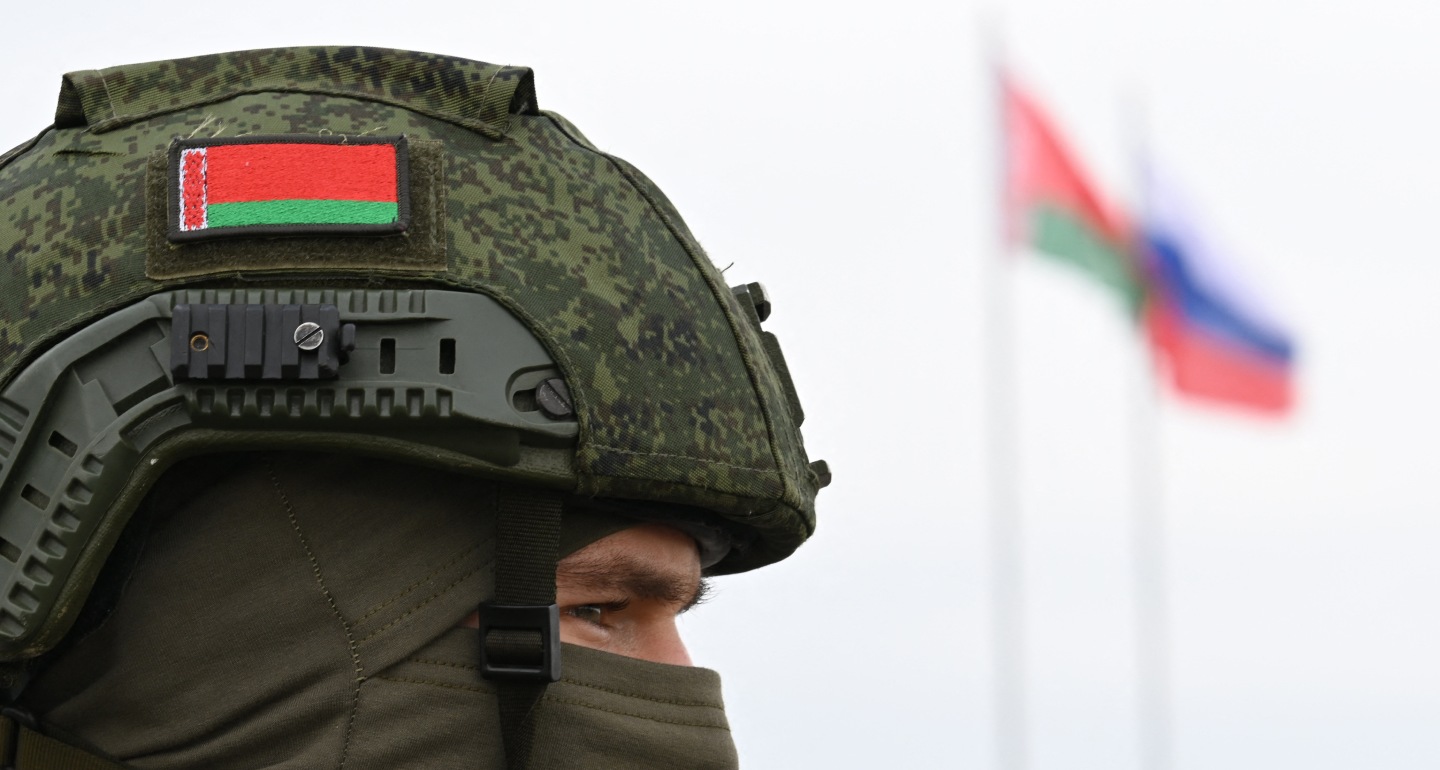
By reminding the world that Lukashenko is a threat to NATO and Ukraine, Kyiv is trying to return the focus to why the Belarusian regime needs to be contained rather than rewarded.

Artyom Shraibman
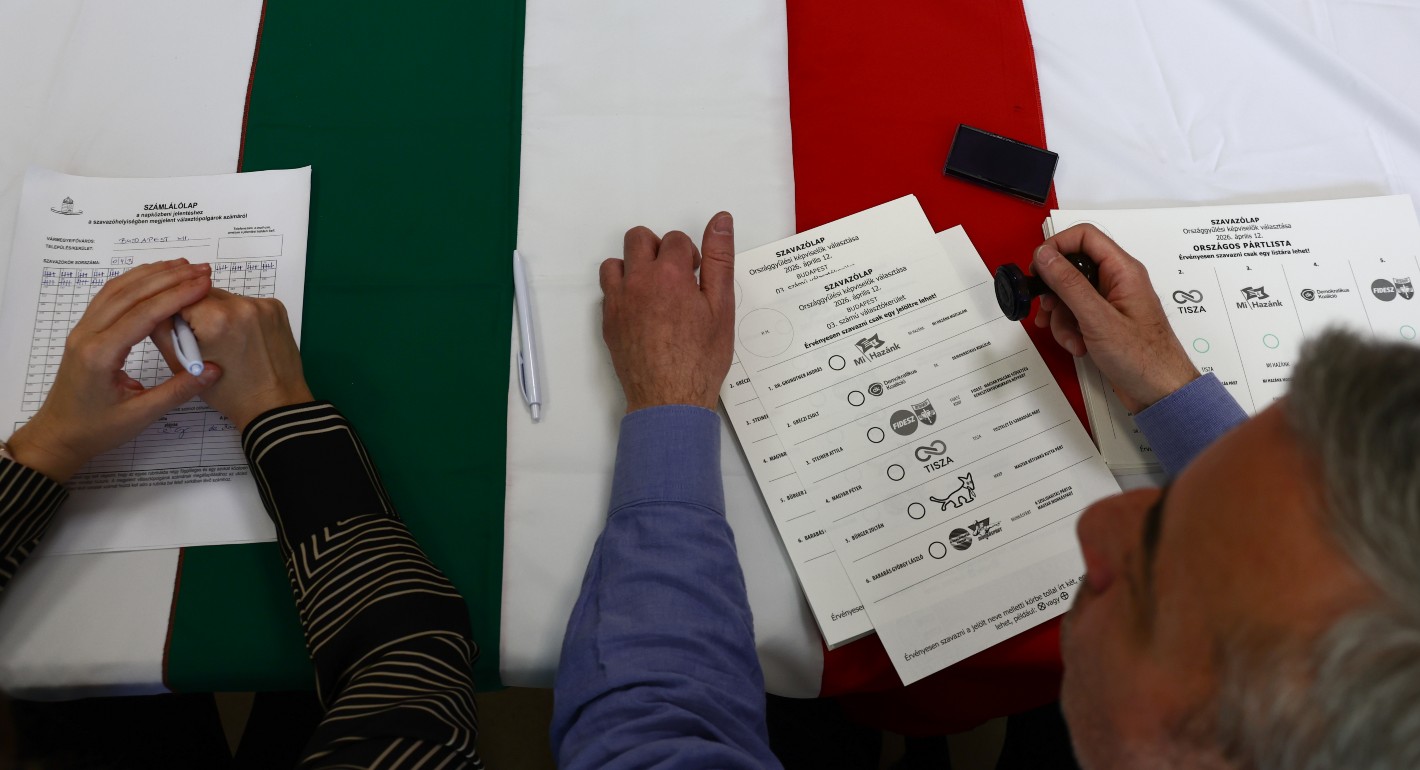
An innovative grassroots civic initiative helped defend the integrity of Hungary’s recent elections, with significant impact on the results and positive lessons for other contexts of democratic backsliding.
Hanna Folsz
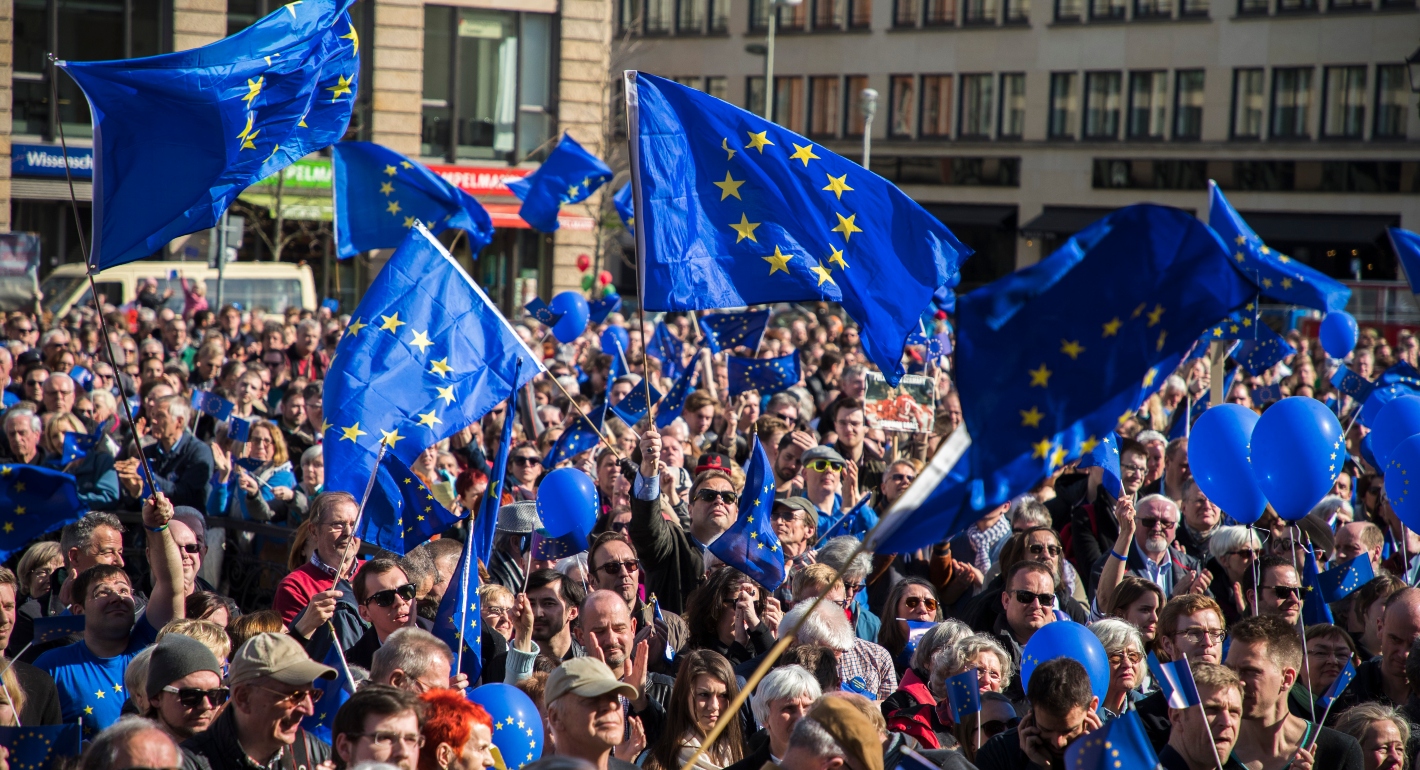
Preparing candidate countries for EU membership is no longer enough. As the enlargement process becomes a reality, the union must also prepare its own societies.

Iliriana Gjoni