

Article
Wang Tao
{
  "authors": [
    "Wang Tao"
  ],
  "type": "legacyinthemedia",
  "centerAffiliationAll": "",
  "centers": [
    "Carnegie Endowment for International Peace",
    "Carnegie China"
  ],
  "collections": [],
  "englishNewsletterAll": "",
  "nonEnglishNewsletterAll": "",
  "primaryCenter": "Carnegie China",
  "programAffiliation": "",
  "programs": [],
  "projects": [],
  "regions": [
    "East Asia",
    "China"
  ],
  "topics": [
    "Climate Change"
  ]
}
Source: Getty
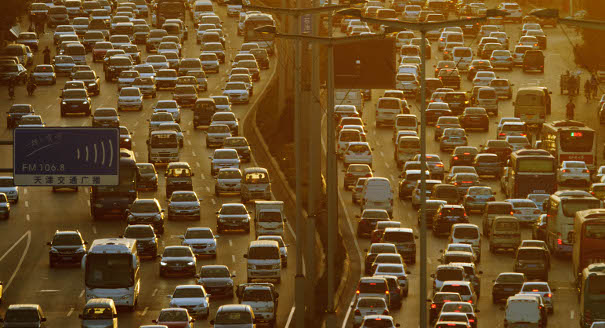
High levels of smog persist throughout China due to weak enforcement of current environmental regulations. Environmental protection agencies are understaffed and do not have the power to oppose government officials that prioritize GDP growth over environmental protection.
Source: CCTV World Insight
High levels of smog persist throughout China due to weak enforcement of current environmental regulations. In an interview with CCTV’s World Insight, Carnegie-Tsinghua’s Wang Tao explained the various causes of this problem. He pointed out that environmental protection agencies are understaffed and do not have the power to oppose government officials that prioritize GDP growth over environmental protection.
Wang proposed a number of short-term solutions, such as utilizing newer technology that reduces emissions from factories and vehicles as well as ensuring that regulations are enforced. In the long term, though, he said that China needs to reduce its energy reliance on coal and increase the use of other energy sources such as nuclear, hydroelectric, and solar power. Questions remain over how Chinese authorities will create policy incentives and establish the infrastructure necessary for China to decrease its reliance on coal and work toward lower levels of smog. The public, Wang concluded, could play a significant role in exerting necessary pressure on Chinese authorities to address this issue of pollution. He added that lower vehicle usage and electricity consumption by the Chinese public will also have an impact on reducing pollution.
This video inteview was originally aired on CCTV World Insight.
Former Nonresident Scholar, Carnegie-Tsinghua Center for Global Policy
Wang Tao was a nonresident scholar in the Energy and Climate Program based at the Carnegie–Tsinghua Center for Global Policy.
Recent Work
Wang Tao
Wang Tao, Yang Yifang
Carnegie does not take institutional positions on public policy issues; the views represented herein are those of the author(s) and do not necessarily reflect the views of Carnegie, its staff, or its trustees.
“AI safety in parallel” is modest and pragmatic but vital.

Matt Sheehan
That statistic about a bottle of water may not live up to scrutiny.

Jon Bateman, Andy Masley
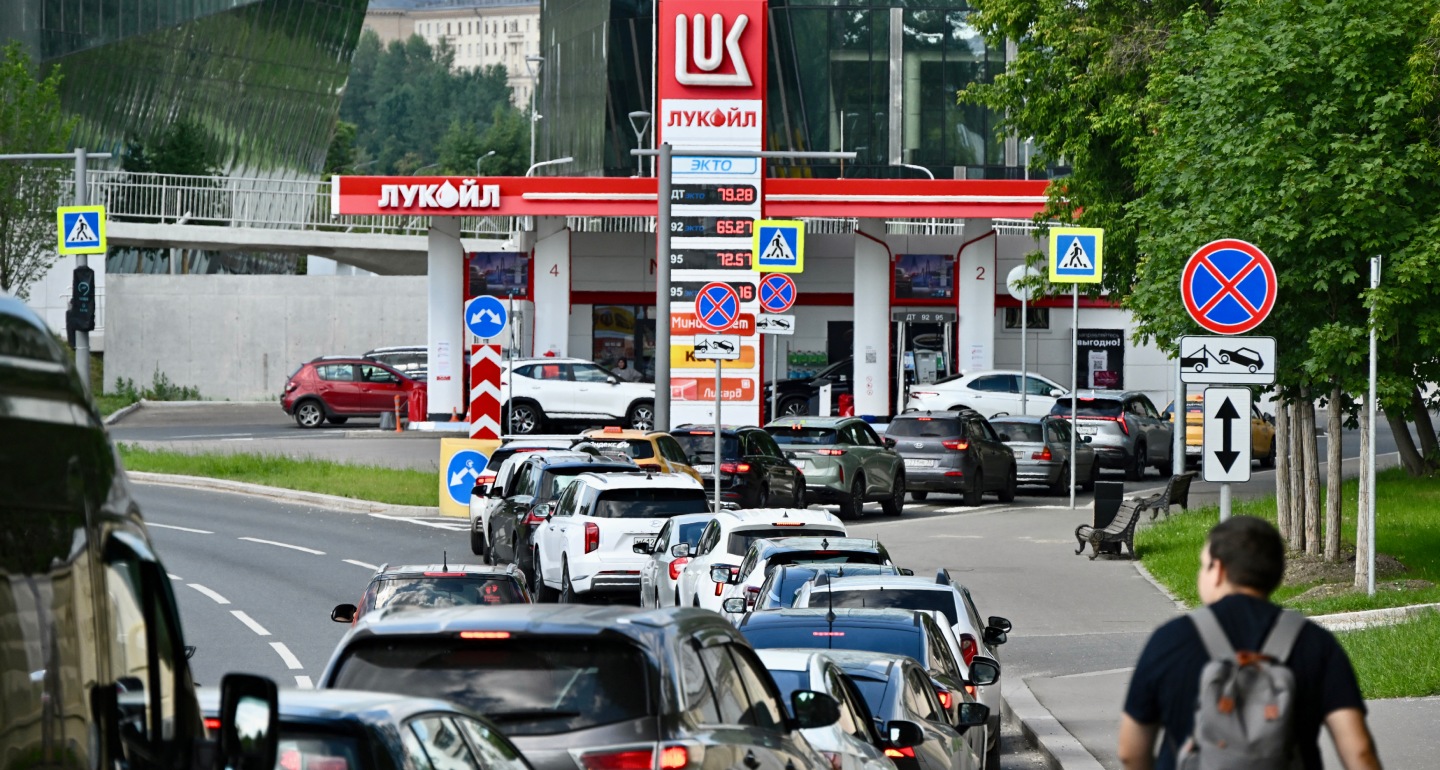
Official discussions about mini oil refineries are unlikely to come to anything—but the mere fact they’re happening reveals the regime is failing to deliver a functioning economy.

Sergey Vakulenko

After the chill in ties between 2020 and 2024 that brought India–China relations to their lowest point in several decades, the two countries have engaged each other afresh. This paper argues that there are predominantly four imperatives guiding India’s approach to China, and they exist in an order of priority.

Saheb Singh Chadha

Middle powers in the region will keep hedging between Washington and Beijing. It’s in the great powers’ interests to play along.

Amr Hamzawy, Kathryn Selfe