

Commentary
Dmitri Trenin
{
  "authors": [
    "Dmitri Trenin"
  ],
  "type": "commentary",
  "centerAffiliationAll": "",
  "centers": [
    "Carnegie Endowment for International Peace",
    "Carnegie Russia Eurasia Center"
  ],
  "collections": [],
  "englishNewsletterAll": "",
  "nonEnglishNewsletterAll": "",
  "primaryCenter": "Carnegie Russia Eurasia Center",
  "programAffiliation": "",
  "programs": [],
  "projects": [],
  "regions": [
    "North America",
    "United States",
    "Southeast Asia",
    "Russia",
    "Eastern Europe",
    "Ukraine",
    "Western Europe"
  ],
  "topics": [
    "Security",
    "Military",
    "Foreign Policy",
    "Global Governance"
  ]
}
Source: Getty
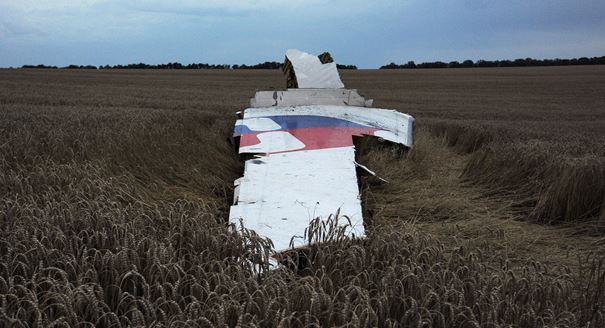
The downing of the Malaysia Airlines MH17 plane over Eastern Ukraine catapults the crisis there onto the global plane. The tragic and sudden loss of so many innocent lives should put a final point to the armed conflict—or it may put the international conflict over Ukraine on a much higher and more dangerous level.
The downing of the Malaysia Airlines MH17 plane on Thursday over Eastern Ukraine catapults the crisis there onto the global plane. Nationals of several countries, more than half of them Dutch, are among the victims. The UN Security Council will meet in New York. An international investigation has been called for. The story dominates television news all over the world.
Given the realities of continued fighting on the ground, and the very high political stakes involved, the investigation will not prove easy. Yet, even before it has started in earnest, accusations have been made. The most widely discussed scenario in the global media is the downing of the plane by the Donetsk insurgents.
Publicly, President Poroshenko has already blamed the Russia-supported separatists, and President Putin has put the blame on the Ukrainian government's resumption of the military operation in the east of the country. Actually, these statements may be less contradictory than they appear, but this is small comfort. Whatever the final result of the investigation, Russia is likely to face a major political and media campaign reminiscent of the 1983 shooting of the Korean Air Lines off Sakhalin island, which ushered in the most dangerous period of the Cold War after the Cuban missile crisis.
The coming UNSC debate is likely to be emotional, and acrimonious. The US Congress may press President Obama to ramp up the sanctions which he had only announced less than 24 hours before the MH17 tragedy. The daylight between the United States and the EU approaches to anti-Russian sanctions may narrow. Russia's outreach to Asia beyond China may be compromised. This will put Moscow in a difficult spot, and prompt a reaction on its part.
The only sensible step now would be to stop the fighting in Ukraine immediately and begin a political process, under the OSCE auspices and led by the Contact Group. The tragic and sudden loss of so many innocent lives should put a final point to the armed conflict. Or it may put the international conflict over Ukraine on a much higher and more dangerous level. The choice is still to be made, but the time is running out fast.
Former Director, Carnegie Moscow Center
Trenin was director of the Carnegie Moscow Center from 2008 to early 2022.
Recent Work
Dmitri Trenin
Dmitri Trenin
Carnegie does not take institutional positions on public policy issues; the views represented herein are those of the author(s) and do not necessarily reflect the views of Carnegie, its staff, or its trustees.
The conflict is exposing the deep energy vulnerabilities of Korea’s chip industry.


Darcie Draudt-Véjares, Tim Sahay
The countries in the region are managing the fallout from Iranian strikes in a paradoxical way.

Angie Omar
French President Emmanuel Macron has unveiled his country’s new nuclear doctrine. Are the changes he has made enough to reassure France’s European partners in the current geopolitical context?

Rym Momtaz, ed.
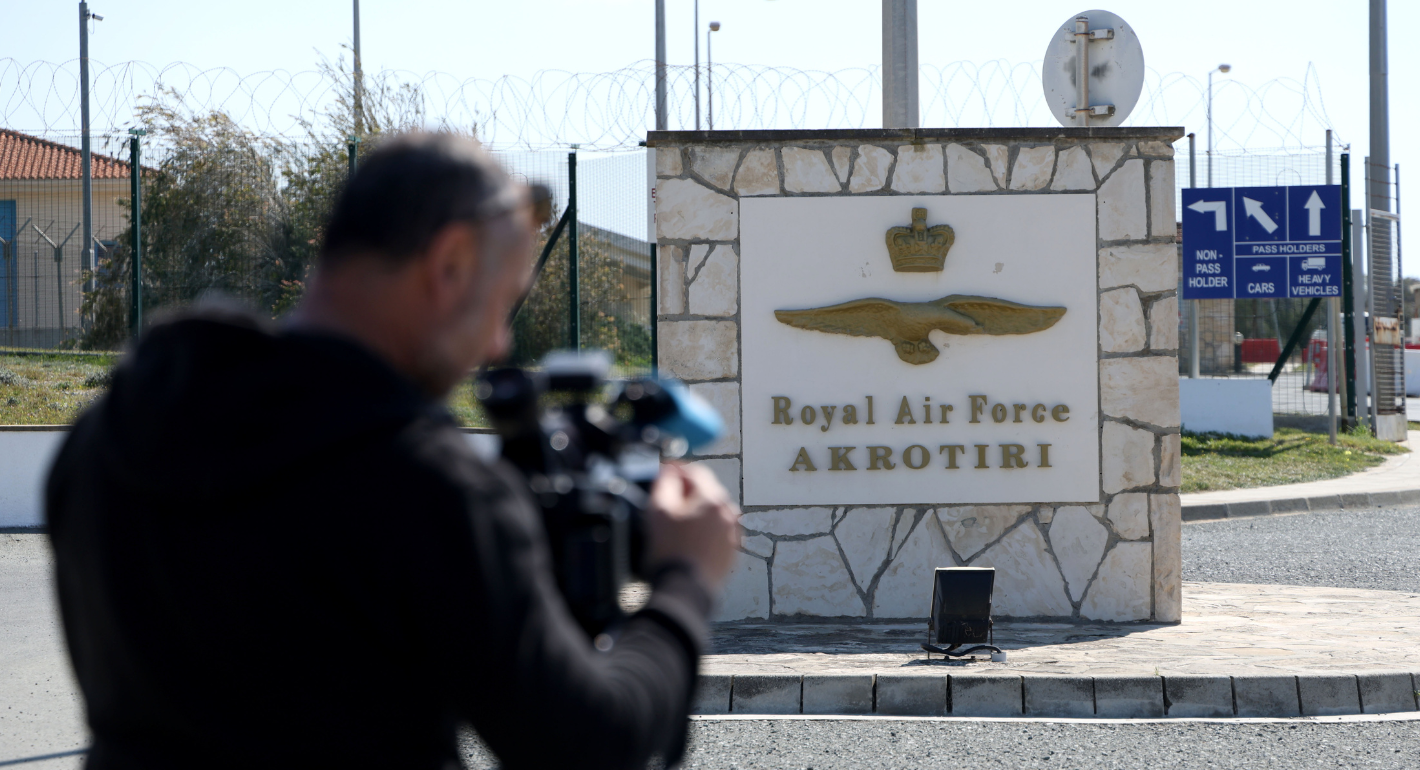
The drone strike on the British air base in Akrotiri brings Europe’s proximity to the conflict in Iran into sharp relief. In the fog of war, old tensions in the Eastern Mediterranean risk being reignited, and regional stakeholders must avoid escalation.

Marc Pierini

In an interview, Hassan Mneimneh discusses the ongoing conflict and the myriad miscalculations characterizing it.

Michael Young