

Q&A
Aaron David Miller, Karim Sadjadpour, Robin Wright
{
  "authors": [
    "Karim Sadjadpour"
  ],
  "type": "legacyinthemedia",
  "centerAffiliationAll": "dc",
  "centers": [
    "Carnegie Endowment for International Peace"
  ],
  "collections": [
    "Iranian Proliferation"
  ],
  "englishNewsletterAll": "menaTransitions",
  "nonEnglishNewsletterAll": "",
  "primaryCenter": "Carnegie Endowment for International Peace",
  "programAffiliation": "MEP",
  "programs": [
    "Middle East"
  ],
  "projects": [],
  "regions": [
    "Middle East",
    "Iran"
  ],
  "topics": [
    "Foreign Policy",
    "Nuclear Policy"
  ]
}
Source: Getty
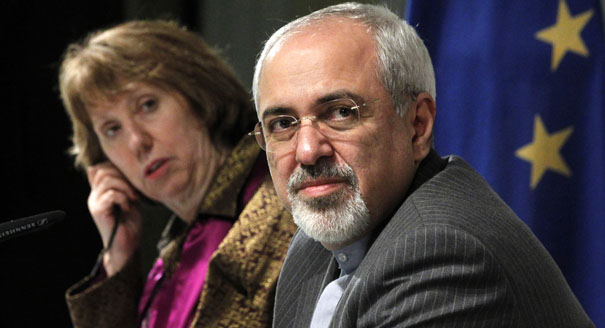
There was a fundamental mismatch of expectations between the United States and Iran over what a comprehensive deal would entail when the interim nuclear deal was reached in November 2013.
Source: NPR’s Here and Now
Negotiations over Iran’s nuclear program have been extended for four more months after the latest round of intense negotiations failed to meet an agreement. Speaking to NPR’s Here & Now, Carnegie’s Karim Sadjadpour said that when the interim nuclear deal was reached in November 2013, there was a fundamental mismatch of expectations about what a comprehensive deal would entail. While the United States believes that in order to reach a comprehensive deal Iran would need to curtail its nuclear program much further, he argued, Iran believes it should be able to retain what it now has of its nuclear program and the United States would push back its sanctions.
“Both parties recognize that a continuation of the negotiations is better than any alternative option,” Sadjadpour said. He added that Obama has two fundamental objects for Iran: to avert a nuclear armed Iran and avert having to take military action against Iran. A continuation of negotiations is a step toward both those objectives. Additional sanctions won’t be enough to force Iran to compromise and it could be enough to escalate into a dangerous position, he warned.

Senior Fellow, Middle East Program
Karim Sadjadpour is a senior fellow at the Carnegie Endowment for International Peace, where he focuses on Iran and U.S. foreign policy toward the Middle East.
Recent Work


Aaron David Miller, Karim Sadjadpour, Robin Wright
Aaron David Miller, David Petraeus, Karim Sadjadpour
Carnegie does not take institutional positions on public policy issues; the views represented herein are those of the author(s) and do not necessarily reflect the views of Carnegie, its staff, or its trustees.
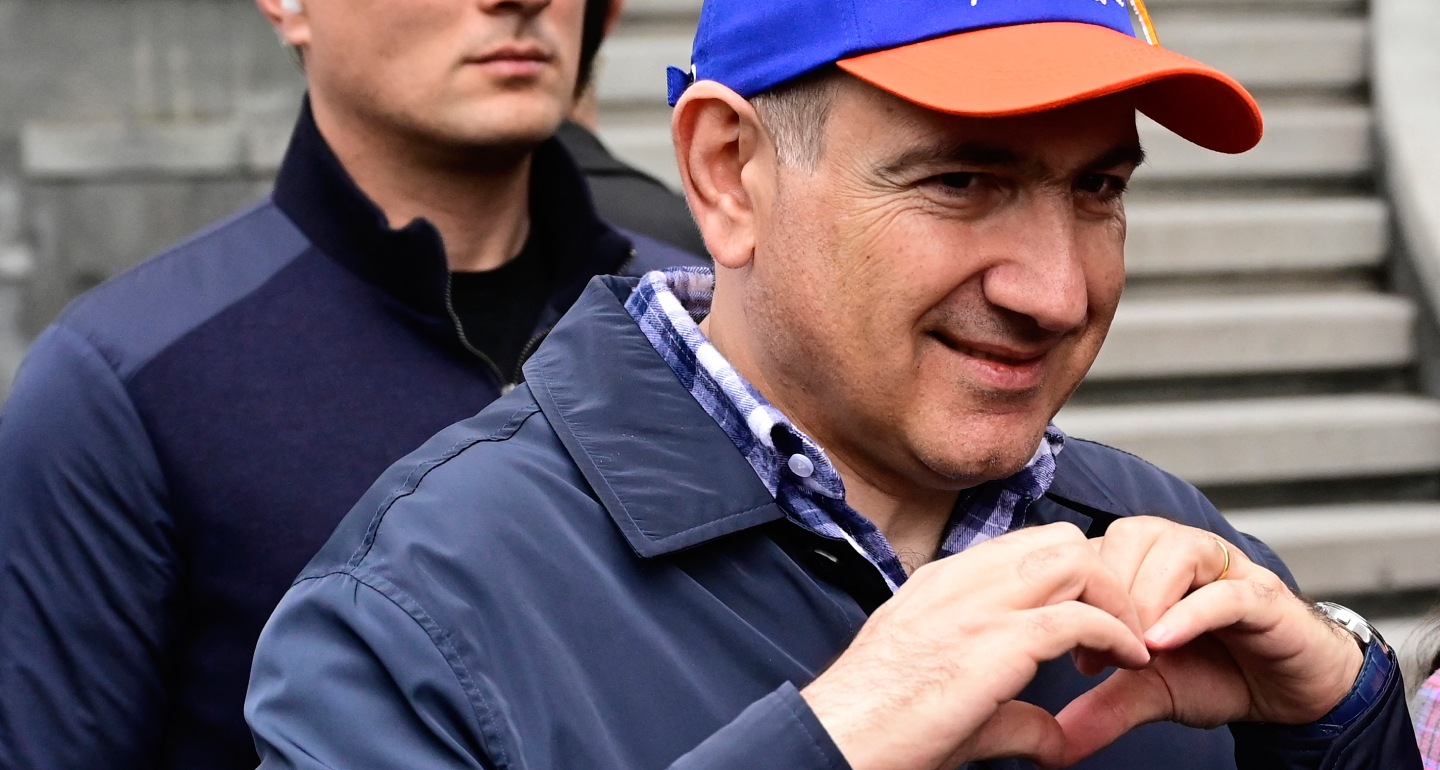
By fueling the arguments of both supporters and opponents of Armenian Prime Minister Nikol Pashinyan, Azerbaijan wants to ensure he is re-elected with a weaker mandate.

Bashir Kitachaev

This piece argues that India’s central challenge is not managing a single flashpoint but resolving the underlying tension between expansion and institutional coherency of the BRICS grouping.

Vrinda Sahai
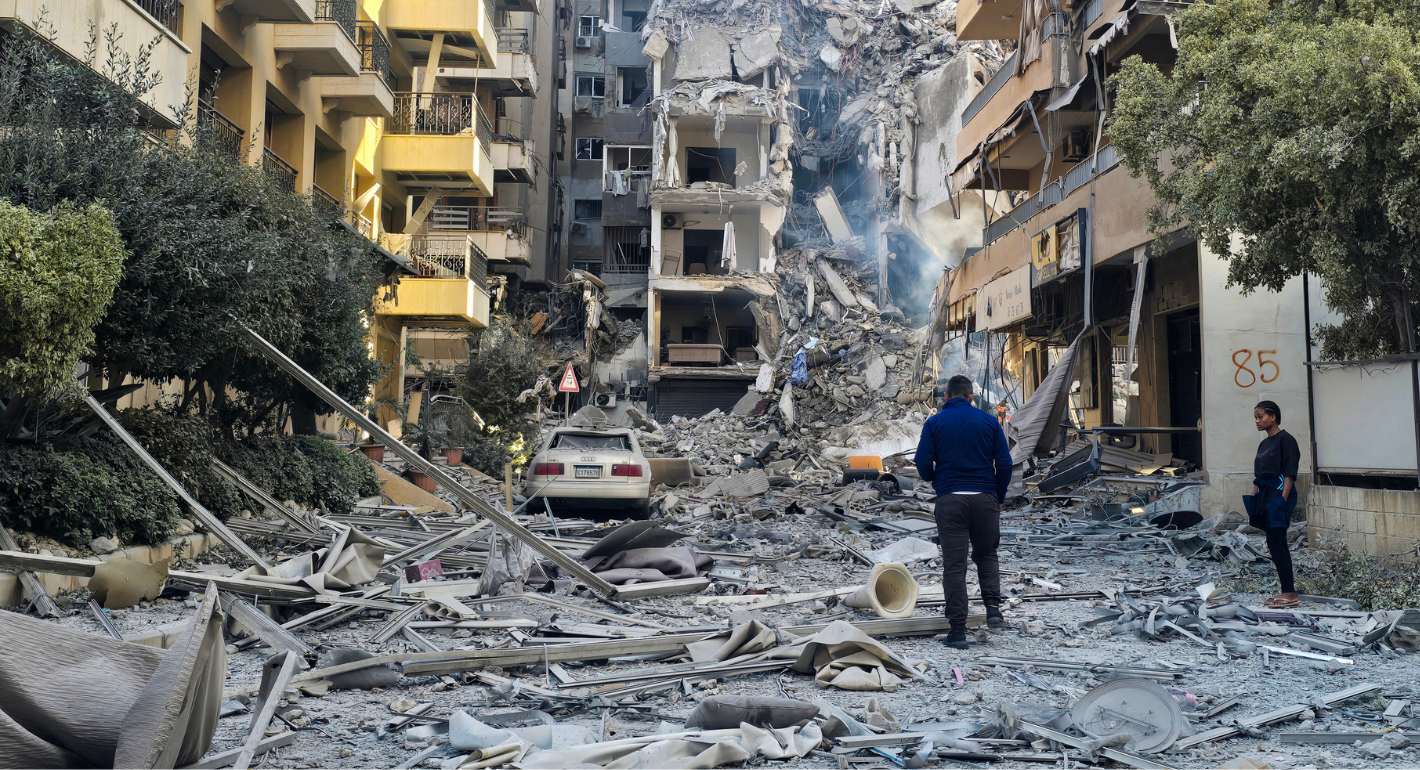
Europe seems to have accepted its sidelining in the Middle East. The EU must reassert its support for the international rules-based order and step up engagement.

Rym Momtaz
By reminding the world that Lukashenko is a threat to NATO and Ukraine, Kyiv is trying to return the focus to why the Belarusian regime needs to be contained rather than rewarded.

Artyom Shraibman
Regardless of the outcome, there’s another path to ensuring that progress doesn’t stall.
Zaur Shiriyev