

Article
Wang Tao
{
  "authors": [
    "Wang Tao"
  ],
  "type": "legacyinthemedia",
  "centerAffiliationAll": "",
  "centers": [
    "Carnegie Endowment for International Peace",
    "Carnegie China"
  ],
  "collections": [],
  "englishNewsletterAll": "",
  "nonEnglishNewsletterAll": "",
  "primaryCenter": "Carnegie China",
  "programAffiliation": "",
  "programs": [],
  "projects": [],
  "regions": [
    "East Asia",
    "China"
  ],
  "topics": [
    "Economy",
    "Climate Change"
  ]
}
Source: Getty
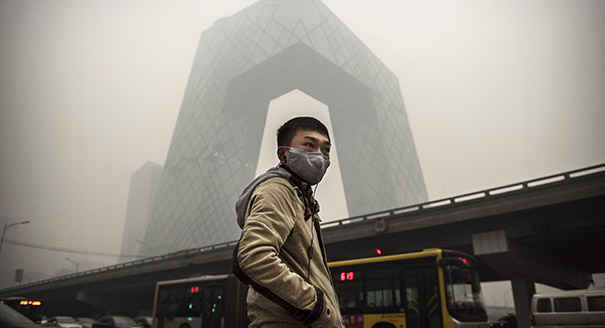
China faces challenges in achieving the ambitious carbon emissions targets announced during APEC, yet the country’s progress on clean energy technology could also benefit other developing countries.
Source: CCTV News
Speaking on CCTV News, Carnegie’s Wang Tao asserted that the carbon emissions targets that China announced during the APEC summit demonstrate strong central leadership. This initiative, he explained, will carry both short-term economic costs and long-term potential to cultivate clean energy technology both in China and abroad.
Although achieving these emissions targets will require economic restructuring that local officials might resist, Wang maintained that linking government policies on air pollution and economic reform will help to ensure that government actors work together. In the process, China will produce new clean energy technologies that will spur economic growth both domestically and in neighboring developing countries.
Former Nonresident Scholar, Carnegie-Tsinghua Center for Global Policy
Wang Tao was a nonresident scholar in the Energy and Climate Program based at the Carnegie–Tsinghua Center for Global Policy.
Recent Work
Wang Tao
Wang Tao, Yang Yifang
Carnegie does not take institutional positions on public policy issues; the views represented herein are those of the author(s) and do not necessarily reflect the views of Carnegie, its staff, or its trustees.

Arguing that Chinese policy is hung on alliances—with imputations of obligation—misses the point.

Evan A. Feigenbaum

Description of the post.

Michael Pettis

A new draft regulation on “anthropomorphic AI” could impose significant new compliance burdens on the makers of AI companions and chatbots.


Scott Singer, Matt Sheehan
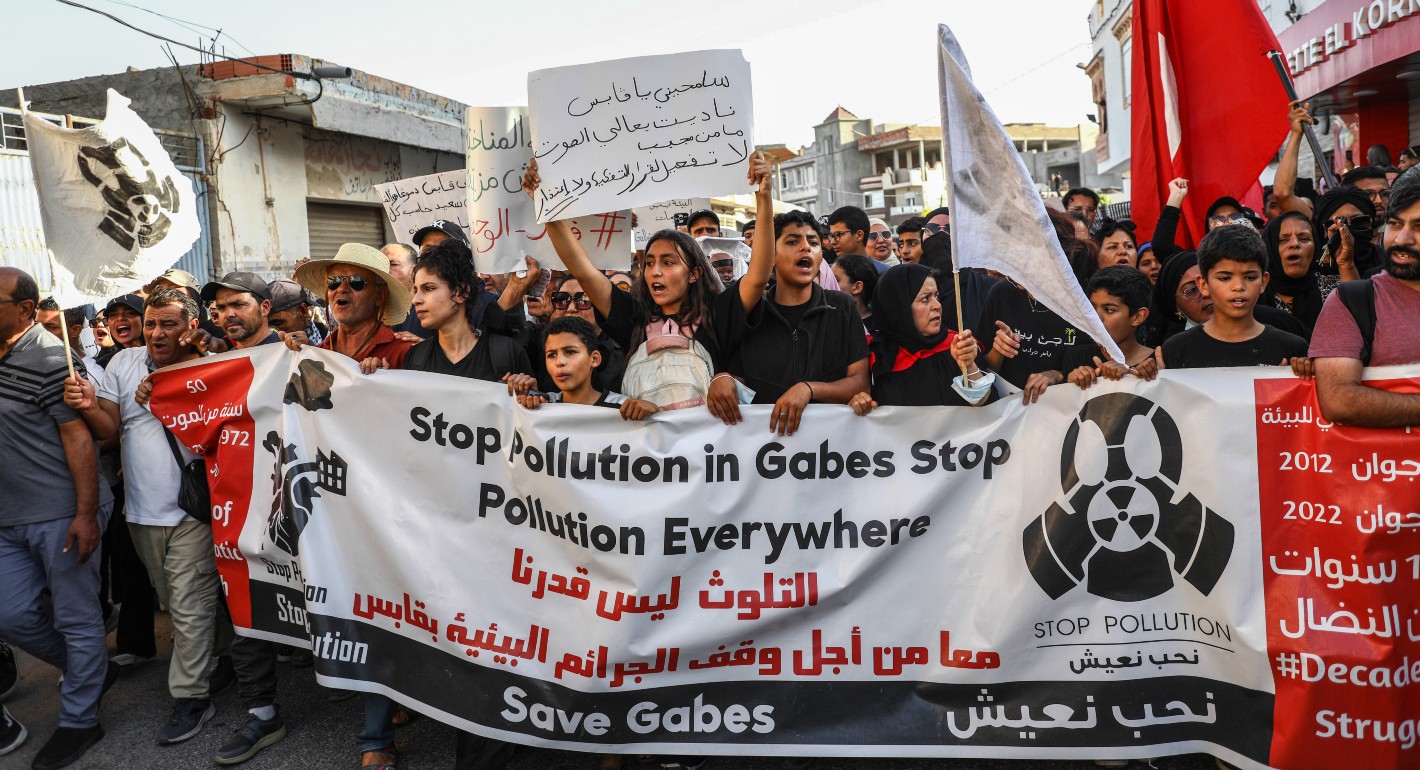
For climate-focused civil society in countries like Morocco, Algeria, and Tunisia to be most effective, organizations should work together to develop networks that extend their reach beyond their local area and connect across borders to share best practices and amplify each other’s work.

Sarah Yerkes
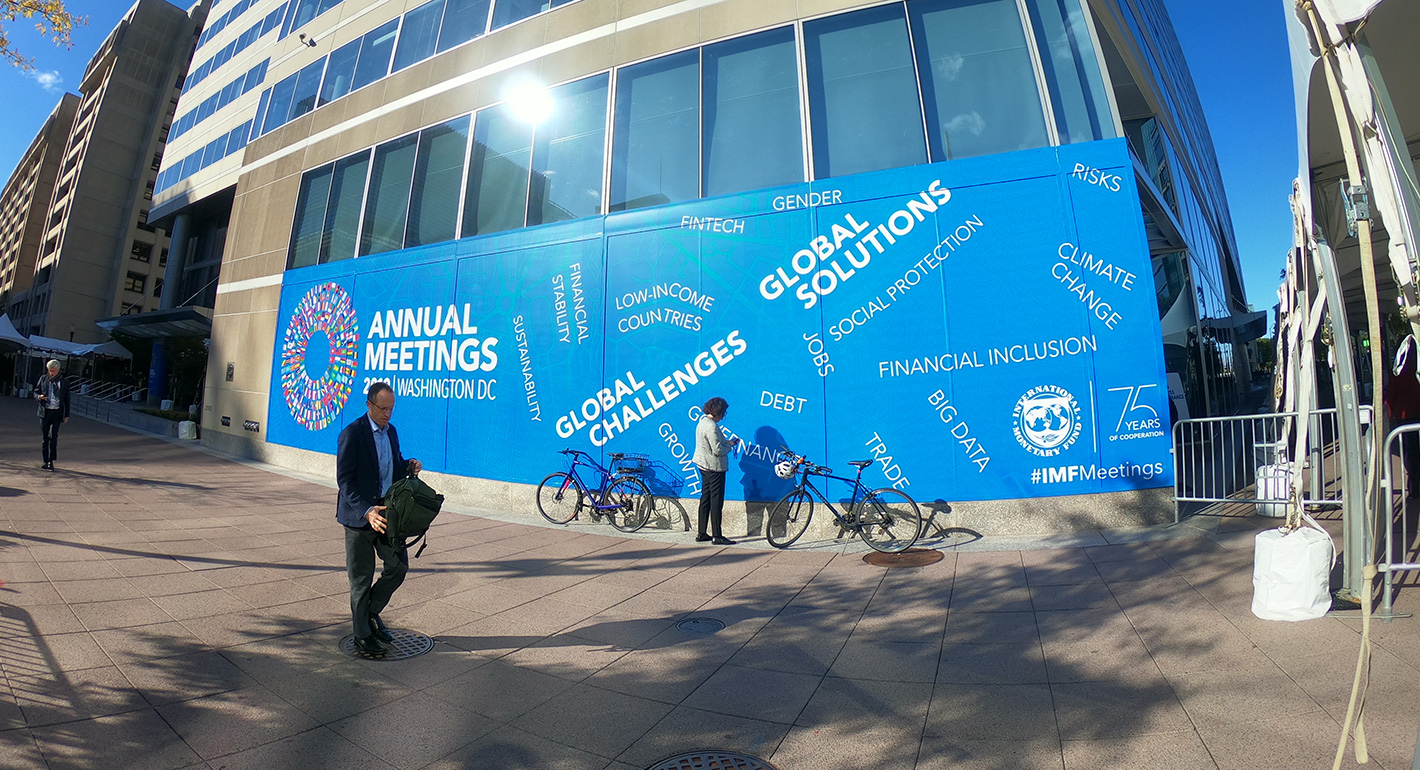
The pace of change in the global economy suggests that the IMF and World Bank could be ambitious as they review their debt sustainability framework.
C. Randall Henning