

Paper
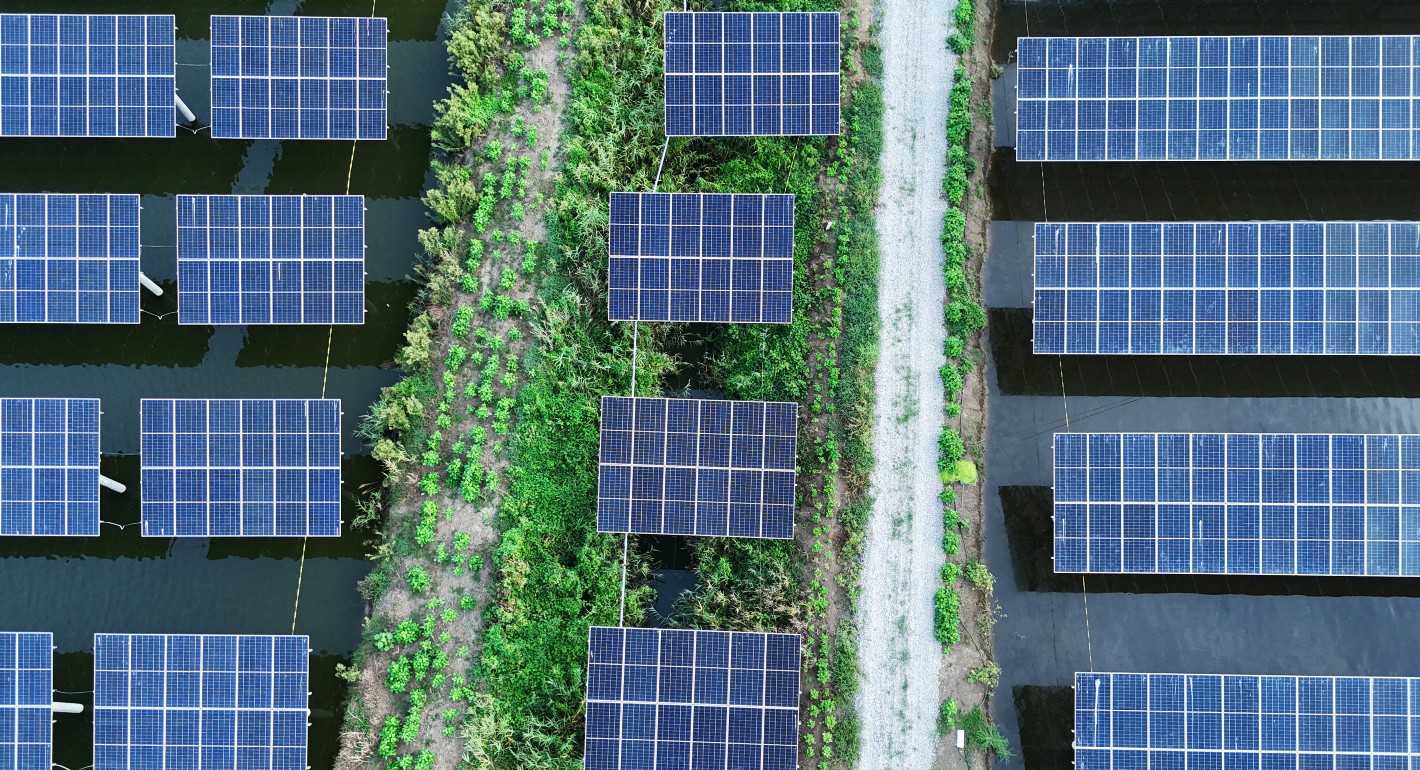
Congress needs to step up and make EXIM a low-carbon financing powerhouse.
Jesse Young
{
  "authors": [
    "Akio Kawato"
  ],
  "type": "commentary",
  "centerAffiliationAll": "",
  "centers": [
    "Carnegie Endowment for International Peace",
    "Carnegie Russia Eurasia Center"
  ],
  "collections": [],
  "englishNewsletterAll": "",
  "nonEnglishNewsletterAll": "",
  "primaryCenter": "Carnegie Russia Eurasia Center",
  "programAffiliation": "",
  "programs": [],
  "projects": [],
  "regions": [
    "North America",
    "United States",
    "East Asia",
    "China",
    "Japan",
    "Russia"
  ],
  "topics": [
    "Foreign Policy"
  ]
}
Source: Getty
While dreadful news continues to pour out of Ukraine and the Middle East, East Asia appears to have found an equilibrium—at least for the time being.
While dreadful news continues to pour out of Ukraine and the Middle East, East Asia appears to have entered a lull unworthy of media attention. The region may have found an equilibrium—at least for the time being.
There are several reasons for this period of relative calm.
President Barack Obama is now called a lame duck after the Democrats’ landslide defeat in the mid-term elections. However, any U.S. president has significant space to maneuver during his last two years because he does not have to care about the next election. So Obama the duck may well soar high above the sky. He can implement his policies by issuing presidential decrees (within the bounds of the budget approved by Congress) and can veto any laws adopted by the Republican legislature.
Many U.S. presidents find it easier to leave behind a legacy in foreign, as opposed to domestic, policy. In East Asia, Obama’s legacy may be the “taming” of China. With conclusion of the Trans-Pacific Partnership (TPP), new norms of free trade will be imposed on Beijing. But at the same time, the United States is offering China a tempting carrot: the ability to take on global leadership. The two countries recently launched a bold joint initiative for the reduction of carbon dioxide emissions.
The second factor underpinning the equilibrium in East Asia is Chinese leader Xi Jinping’s consolidation of power. Now that he has removed Xu Caihou, the top brass in the PLA, and Zhou Yongkang, the bigwig in the law enforcement, intelligence, and oil sectors, Xi Jinping has a free hand in foreign policy. If the recent row of border conflicts with neighboring countries were instigated by the hawks in the army, intelligence and oil sectors, China is now in a position to take a more conciliatory stance not only toward its neighbors but also toward the United States.
And thirdly, Japanese Prime Minister Shinzo Abe also contributes to the maintenance of the equilibrium. Some Americans consider him to be a nationalist warmonger who dreams about changing the postwar framework of Asia. Yet what he strives for is not estrangement with the United States, but closer collaboration with it, albeit on a more equal basis characterized by more burden sharing by Japan.
The year of 2015 marks the 70th anniversary of the end of the Pacific War, and China will do everything to isolate and write off Japan as nothing but a war criminal. However, Japan and the United States will most likely band together, celebrating the peace and announcing joint initiatives for further improving the lives of people in developing countries. Therefore, this anniversary will not be a game-changer in East Asia. So, as the German writer Erich Remarque once put it, things are quiet in East Asia (with occasional casualties).
Russia does not figure much in all of this. For China, Russia is not a crucial ally in dealing with the United States. China barely pays attention to the former Manchuria. In recent years, three out of four provinces in China’s northeast have witnessed economic downturns and population outflows, not to Siberia and the Russian Far East but to rich and warm southern China. Russia may be tempted to send refugees from eastern Ukrainian to its Far East, but without proper jobs and housings who would dare to go there?
The reality in East Asia is different from the general understanding in Moscow. There is not much for Russia to manipulate. North Korea? Well, perhaps. But please remember that their ancestors Koguryo and Bohai used to rule a large chunk of the Far East (to which China also has a claim).
Akio Kawato
Writer
Akio Kawato is a former Japanese diplomat and blogger.
Carnegie does not take institutional positions on public policy issues; the views represented herein are those of the author(s) and do not necessarily reflect the views of Carnegie, its staff, or its trustees.
Congress needs to step up and make EXIM a low-carbon financing powerhouse.
Jesse Young
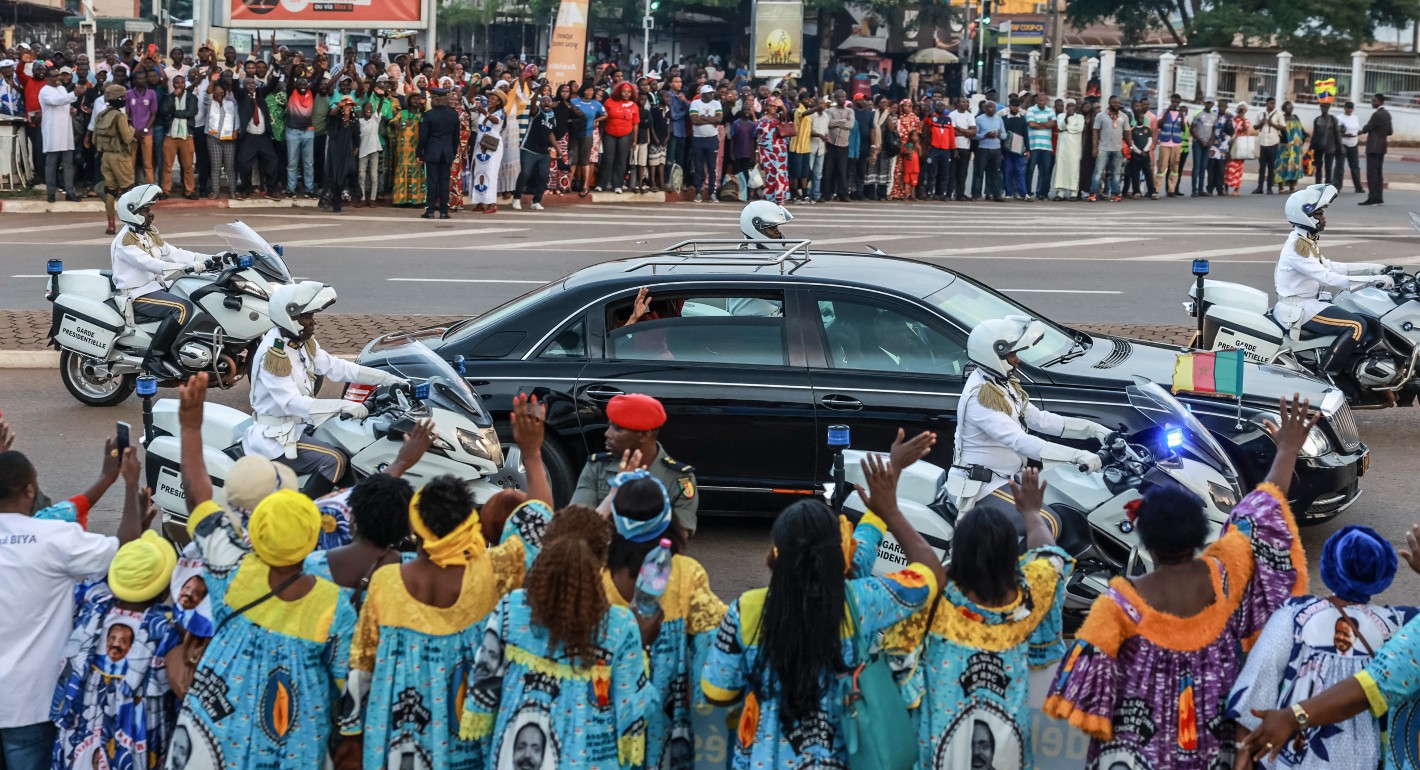
The ninety-three-year-old Biya’s absence and refusal to name a vice president threaten to upend domestic and regional stability.

Lesley Anne Warner

The recent uncovering of Dmitry Donskoy’s relics in the Cathedral of the Archangel is yet another attempt by the Russian Orthodox Church to help the state solve its problems. However, parroting the state’s version of Russian history leaves the Church with no message except “patriotism.”

Alexander Zanemonets

With the growth in points of friction between the great powers, organizations like the SCO will continue to play a role in the strategic adaptation of the smaller powers caught between them.

Temur Umarov
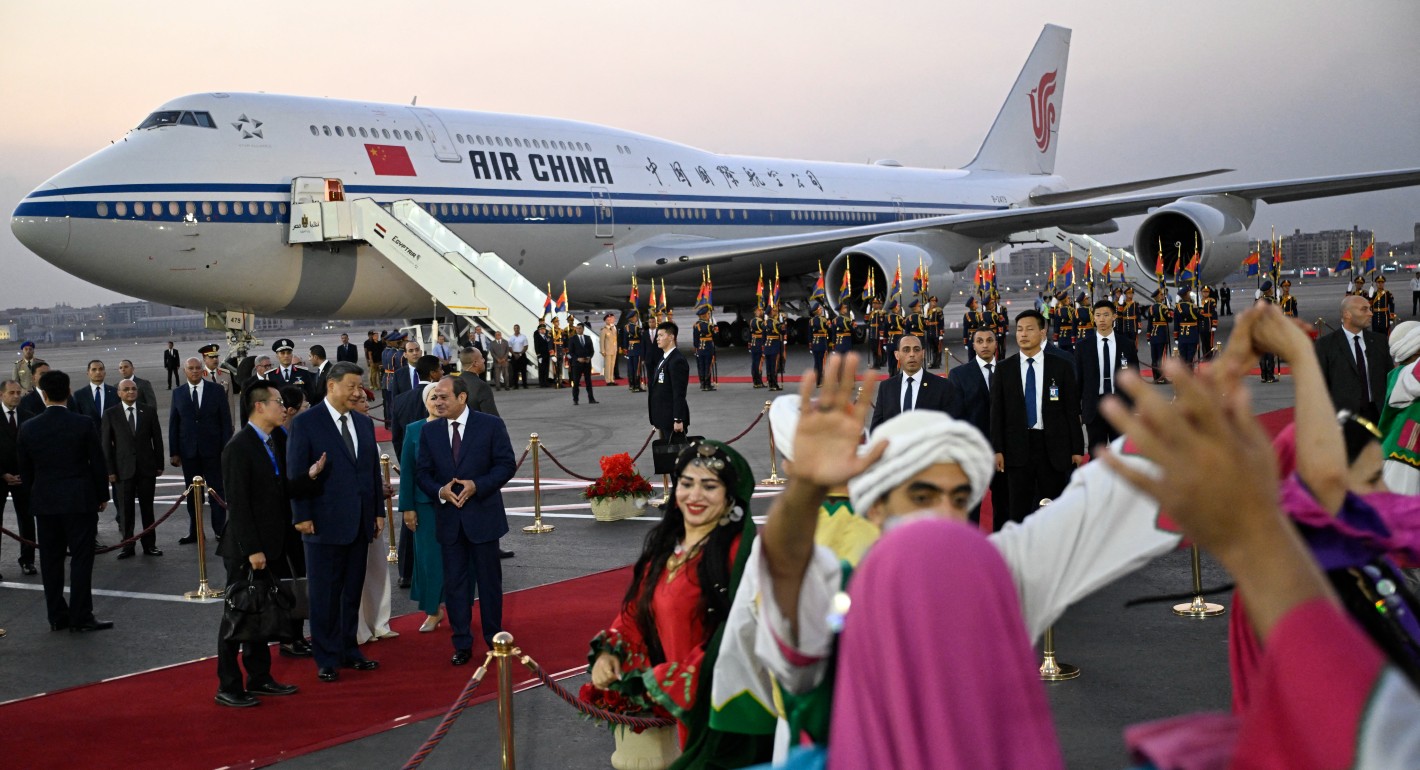
Amid celebrations of bilateral ties was a deeper focus on stability in the Middle East.

Amr Hamzawy