

Commentary
They face an uphill climb, but they could draw on a strategy that other diplomats have used in the past.
Shana Tabak, Alejandro Martin Rodriguez
{
  "authors": [
    "Maha Yahya",
    "Aymenn Jawad Al-Tamimi",
    "Mohamed Khairat"
  ],
  "type": "legacyinthemedia",
  "centerAffiliationAll": "dc",
  "centers": [
    "Carnegie Endowment for International Peace",
    "Malcolm H. Kerr Carnegie Middle East Center"
  ],
  "collections": [],
  "englishNewsletterAll": "menaTransitions",
  "nonEnglishNewsletterAll": "",
  "primaryCenter": "Malcolm H. Kerr Carnegie Middle East Center",
  "programAffiliation": "MEP",
  "programs": [
    "Middle East"
  ],
  "projects": [],
  "regions": [
    "Egypt",
    "North Africa"
  ],
  "topics": [
    "Political Reform",
    "Security"
  ]
}
Source: Getty
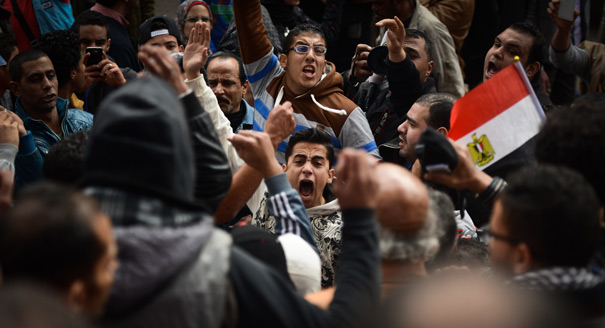
The heavy crackdown in Sinai is being questioned after repeated attacks by armed groups in the peninsula.
Source: Al Jazeera’s Inside Story
At least 32 soldiers have been killed and dozens more injured in the latest of a series of coordinated attacks in Egypt’s Sinai Peninsula.
The government has blamed the banned Muslim Brotherhood for the violence. But an armed group calling itself the ‘Sinai Province’, previously known as Ansar Beit Al Maqdis, is claiming responsibility.
Despite unprecedented security measures in the region, including a controversial buffer zone along the border with Gaza, will president Abdel Fattah al-Sisi change course in Sinai? Or can his army end attacks in the area?
This interview was originally broadcast by Al Jazeera’s Inside Story.

Director, Malcolm H. Kerr Carnegie Middle East Center
Maha Yahya is director of the Malcolm H. Kerr Carnegie Middle East Center, where her research focuses on citizenship, pluralism, and social justice in the aftermath of the Arab uprisings.
Aymenn Jawad Al-Tamimi
Mohamed Khairat
Carnegie does not take institutional positions on public policy issues; the views represented herein are those of the author(s) and do not necessarily reflect the views of Carnegie, its staff, or its trustees.
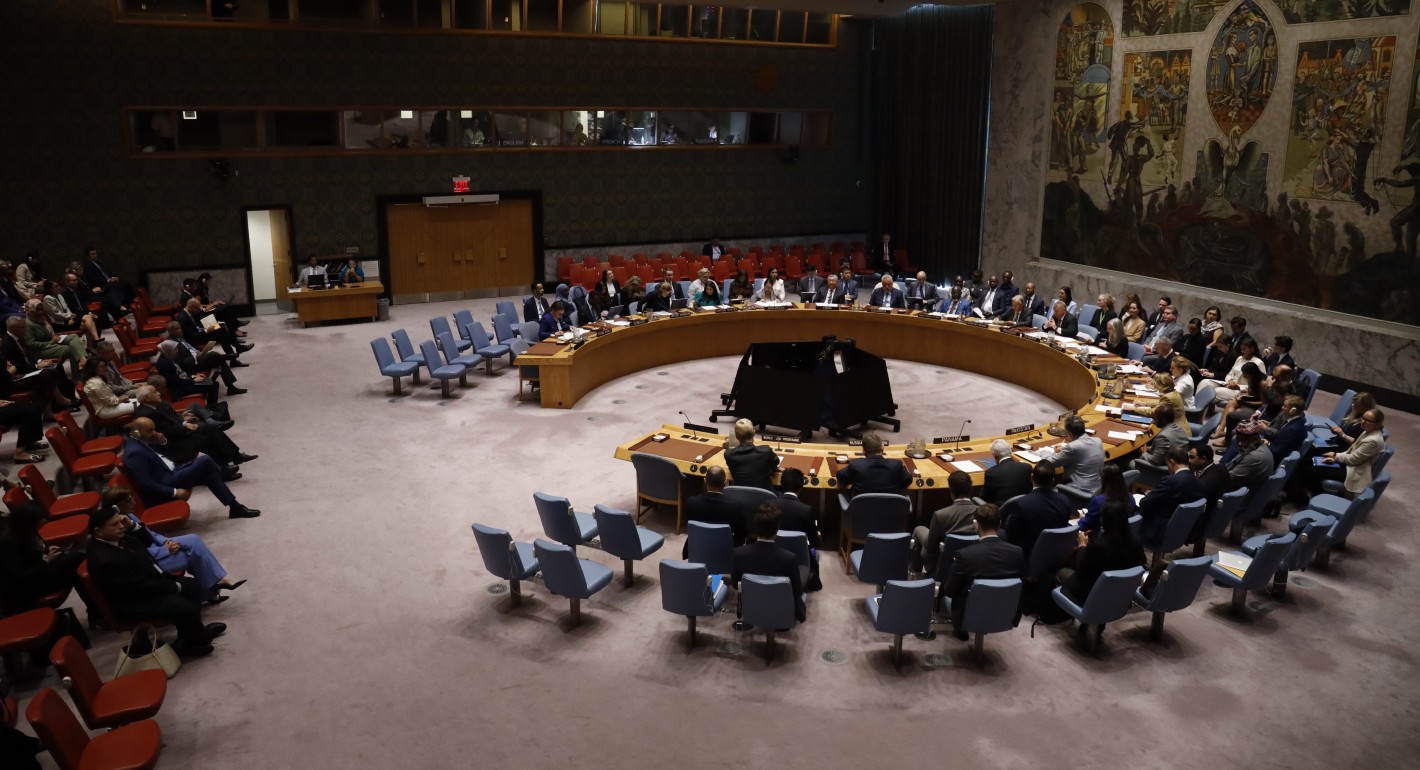
They face an uphill climb, but they could draw on a strategy that other diplomats have used in the past.


Shana Tabak, Alejandro Martin Rodriguez
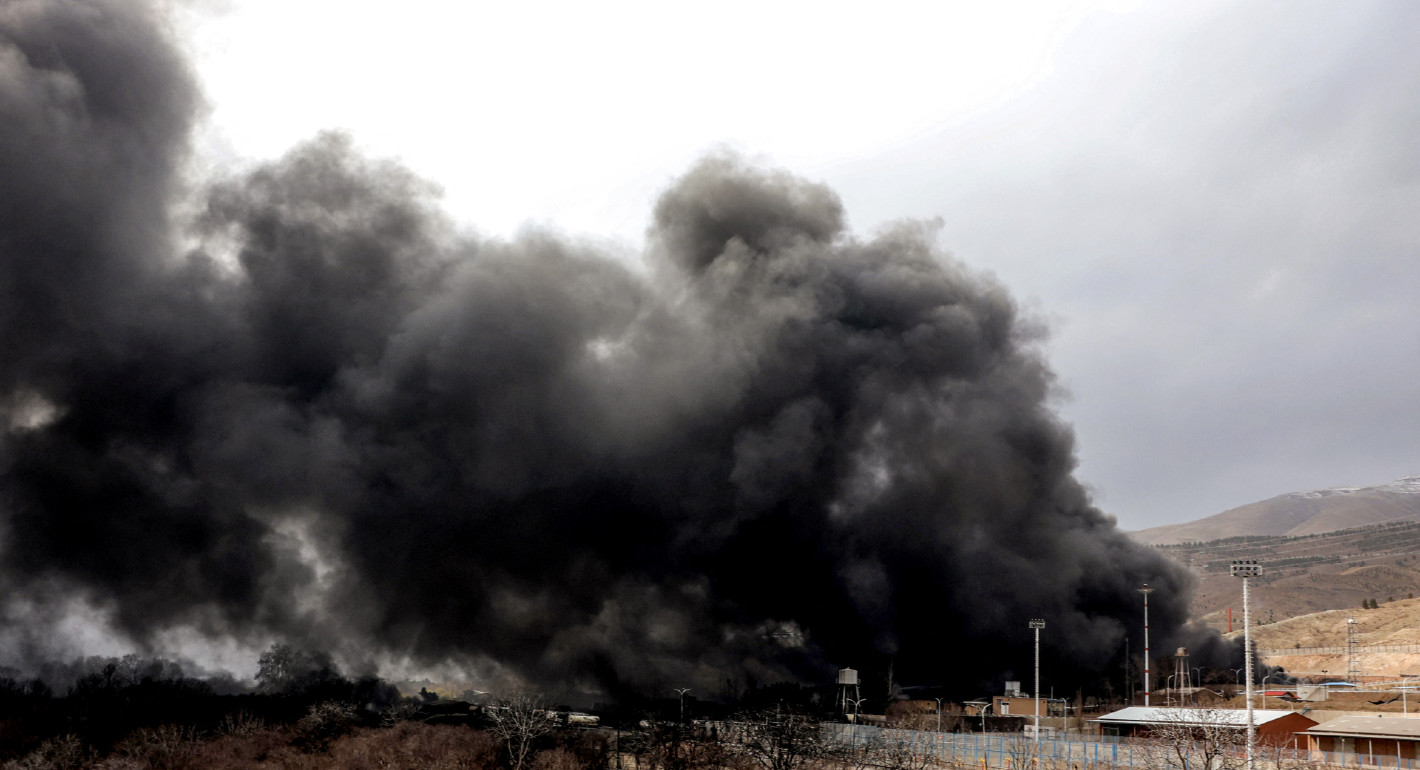
Understanding the climatic pain points is necessary for policymakers hoping to minimize the war’s negative environmental consequences.

Alejandro Martin Rodriguez, Joy Arkeh, Sarah Yerkes

Huawei pushed hard to enter the Egyptian data centers market, until the Americans made a better offer.

Angie Omar

The books, podcasts, and films that explain the world it made.

Andrew Leber

In the tenth year of his presidency, President Mirziyoyev’s system is becoming even more personalized than that of his predecessor Karimov.

Galiya Ibragimova