

In The Media
Mario Abou Zeid
{
  "authors": [
    "Mario Abou Zeid"
  ],
  "type": "legacyinthemedia",
  "centerAffiliationAll": "dc",
  "centers": [
    "Carnegie Endowment for International Peace",
    "Malcolm H. Kerr Carnegie Middle East Center"
  ],
  "collections": [],
  "englishNewsletterAll": "menaTransitions",
  "nonEnglishNewsletterAll": "",
  "primaryCenter": "Malcolm H. Kerr Carnegie Middle East Center",
  "programAffiliation": "MEP",
  "programs": [
    "Middle East"
  ],
  "projects": [],
  "regions": [
    "Gulf",
    "Levant",
    "Syria",
    "Iraq",
    "Middle East"
  ],
  "topics": [
    "Security"
  ]
}
Source: Getty
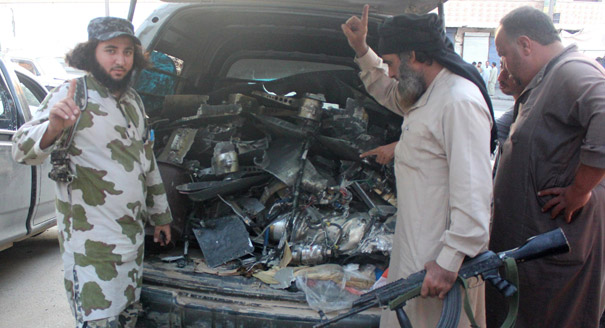
With more than half of Syria under the control of the self-proclaimed Islamic State, there are concerns the militants are edging towards Baghdad.
Source: Australia Broadcasting Corporation
Auskar Surbakti, Host: There are reports that Islamic State militants are now advancing east towards the Iraqi capital, Baghdad. In Syria, IS fighters are believed to have made another important advance, seizing the last government-controlled border-crossing with Iraq. The Syrian Observatory for Human Rights says government forces withdrew from the al-Tanf crossing in Homs, as IS fighters advanced. The loss of al-Tanf to the Islamic State follows the group’s takeover of the ancient city of Palmyra.
The United States says fighting the militants will be a challenge, with claims that IS now controls half of the whole country of Syria.
Maro Abou Zeid is a research analyst at the Carnegie Middle East Center, who has been keeping a close eye of developments in the region. He joins me now from Beirut, in Lebanon. Thanks for your time tonight.
This interview was originally broadcast by the Australia Broadcasting Corporation.
Former Research Analyst, Middle East Center
Abou Zeid was a research analyst at the Carnegie Middle East Center, where his work focuses on political developments in Lebanon, Syria, Iraq, and Iran.
Recent Work
Mario Abou Zeid
Mario Abou Zeid
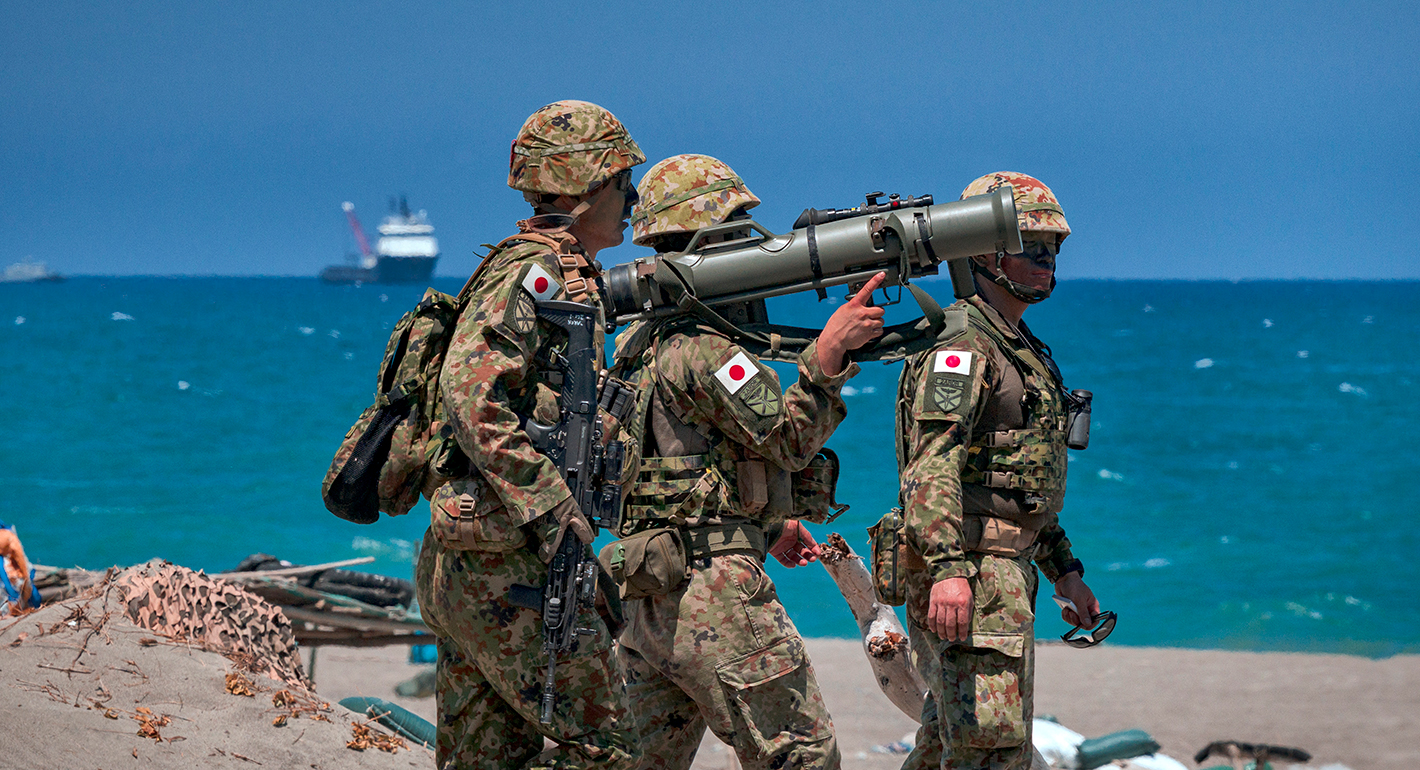
Japan’s revision of its three strategic documents reflects an intention to keep the United States engaged in the region while Japan fills any vacuums of U.S. power to preserve the Indo-Pacific order.
Ryo Sahashi
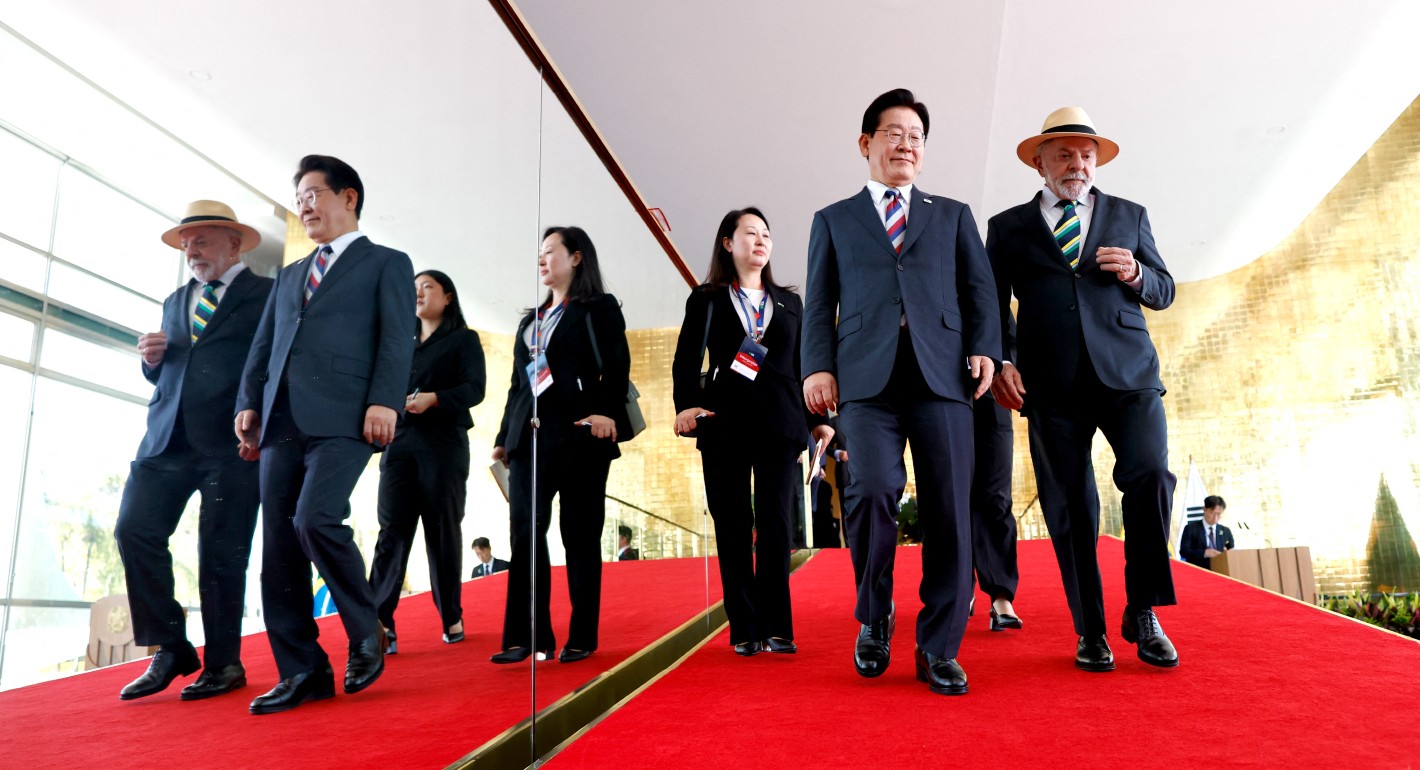
Lee’s tour shows how Seoul is reorganizing its diplomacy away from Pyongyang and toward industrial networks and the geography of the compute economy.

Darcie Draudt-Véjares
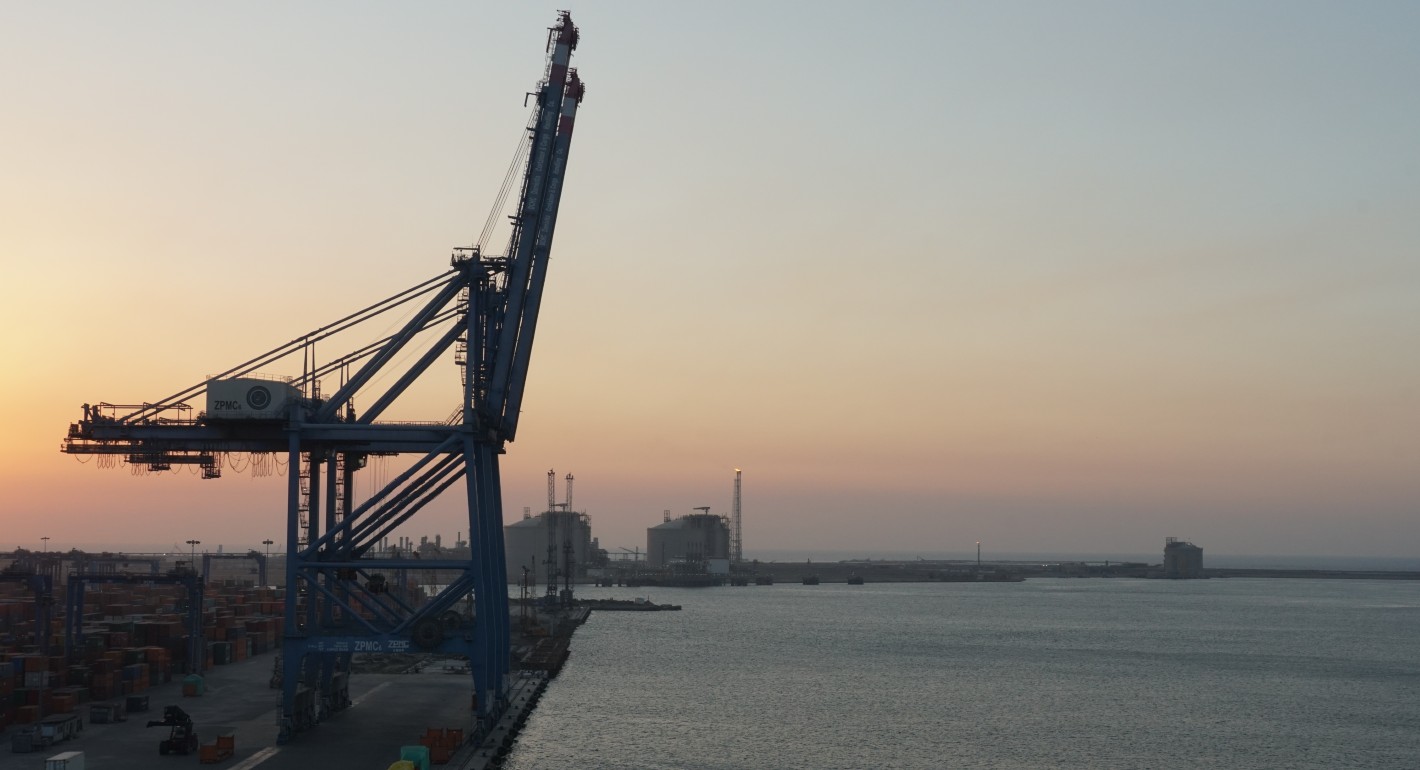
The targeting of Damietta Port appears to be more than a mere security message.

Amr Hamzawy
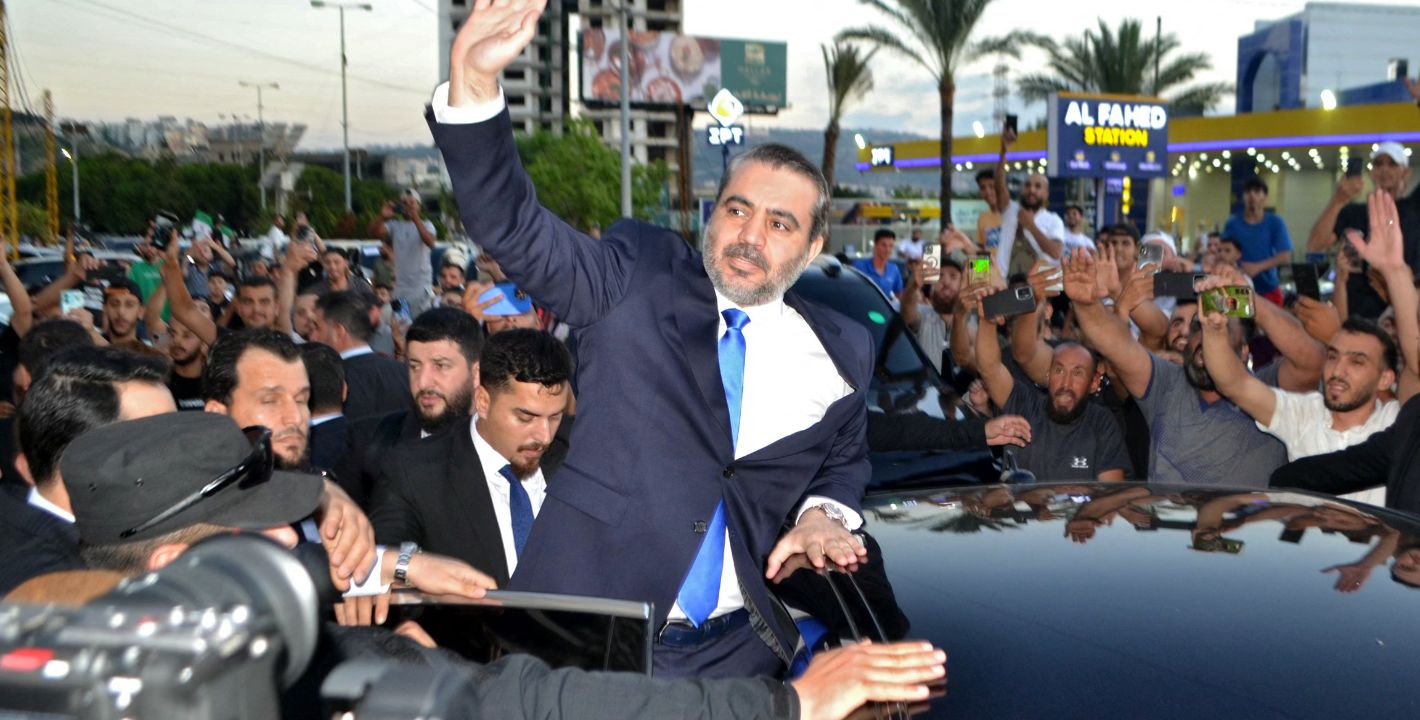
In an interview, Sohaib Jawhar analyzes the profound changes in the ties between the neighboring countries.

Michael Young
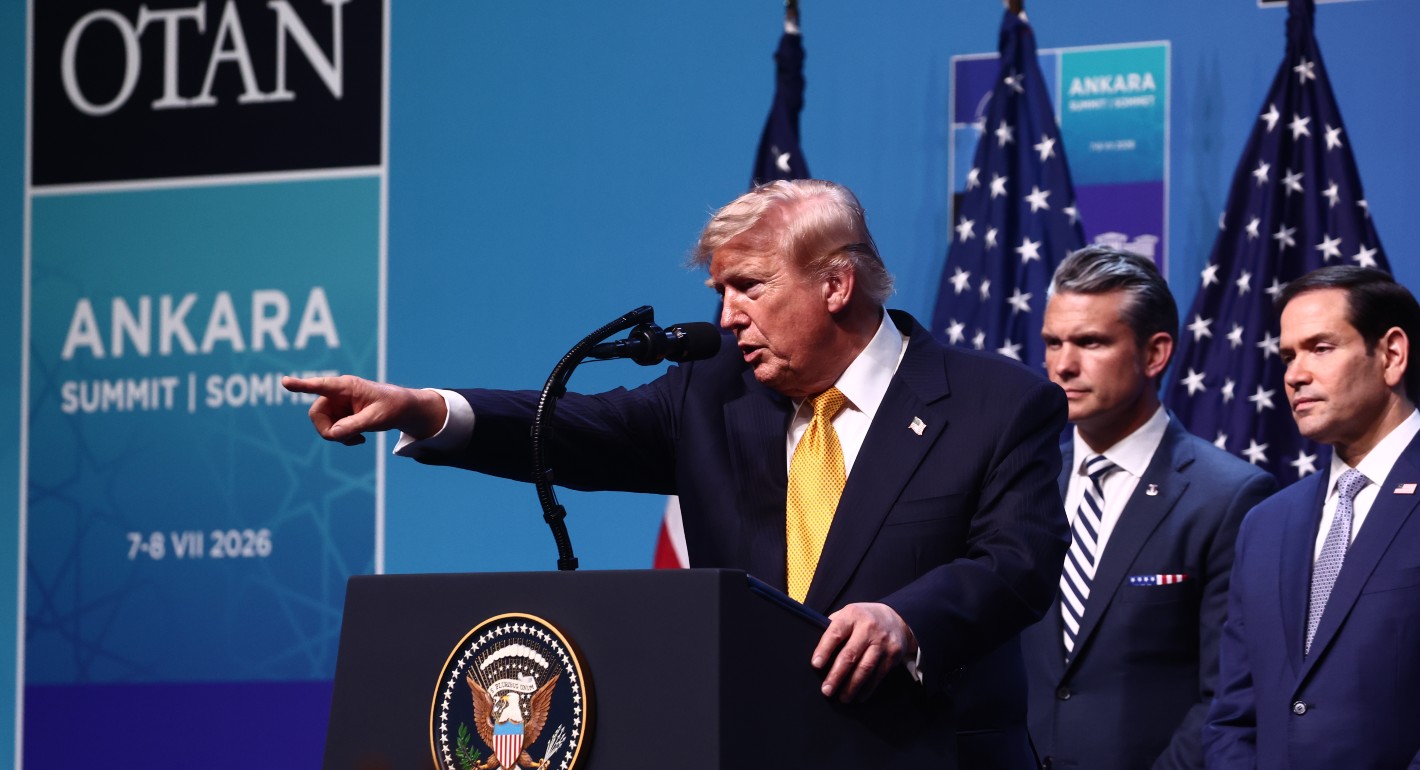
Does Donald Trump want to redraw the map of the world? Historian and geopolitical thinker Stephen Wertheim tries to parse the logic behind current American foreign policy

Stephen Wertheim