

Other
- +18
James M. Acton, Saskia Brechenmacher, Cecily Brewer, …
{
  "authors": [
    "Tong Zhao"
  ],
  "type": "legacyinthemedia",
  "centerAffiliationAll": "",
  "centers": [
    "Carnegie Endowment for International Peace",
    "Carnegie China"
  ],
  "collections": [],
  "englishNewsletterAll": "",
  "nonEnglishNewsletterAll": "",
  "primaryCenter": "Carnegie Endowment for International Peace",
  "programAffiliation": "",
  "programs": [],
  "projects": [],
  "regions": [],
  "topics": [
    "Arms Control",
    "Security"
  ]
}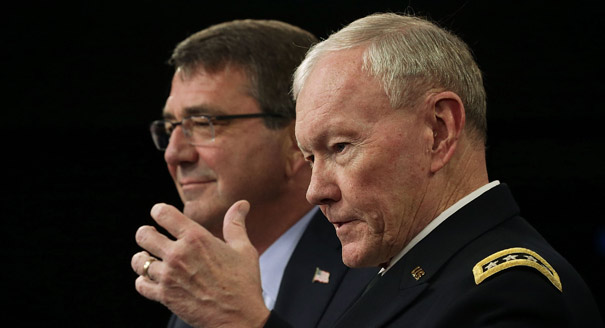
Source: Getty
Despite the potentially destabilizing nature of hypersonic missiles, a test ban seems unlikely due to both political and technical challenges.
Source: Bulletin of the Atomic Scientists
This roundtable asks its participants to assess the threat to global security posed by hypersonic missiles—but so far, the authors have expressed no serious disagreement about the idea that hypersonic missiles are destabilizing. So the question becomes whether nations will nonetheless embark on a full-scale hypersonic arms competition.
Most people, including me, would prefer to answer "no." As my colleague Mark Gubrud wrote forcefully in Round One, “The world has failed so far to put the nuclear genie back in the bottle, and new genies are now getting loose.” Hypersonic missiles are a genie that I, like Gubrud, believe should stay in the bottle. But banning tests of hypersonic missiles will not be as easy as Gubrud suggests.
First, in the United States, the conviction that technological innovation is the best way to address security challenges is close to an unshakable religion. Many US officials and analysts are convinced that hypersonic technology represents the next revolution in military affairs. And just as Russia and China have failed to persuade the United States to limit missile defense, it is hard to imagine anyone persuading Washington to agree to limits on hypersonic research and development.Second, Russia and China—also major investors in hypersonic technology—do not perceive hypersonic missiles as the only threat to their nuclear deterrents. They also harbor serious concerns about precision conventional weapons that travel below hypersonic speeds. Banning hypersonic tests would not by itself address Russia and China's concerns about the survivability of their deterrents—so what are these nations' incentives for banning hypersonic tests?
Third, Russia and China appear to seek hypersonic missiles precisely because they are concerned about the survivability of their nuclear forces. Russia's investment in the technology, for example, seems motivated by the desire for a delivery system that can penetrate any future US missile defense system. The same may be true of China. If Moscow and Beijing's concerns about US missile defense cannot be resolved, it will be very difficult to persuade Russia or China to agree to a hypersonic test ban or moratorium. And, in fact, disputes about missile defense are only getting more intense amid the Ukraine crisis, with some US analysts openly proposing that US missile defenses should target Russian missiles.
Beyond these strategic considerations, a set of technical problems will make a hypersonic testing ban more difficult to achieve than Gubrud hopes. First, hypersonic cruise missiles rely on scramjet technology, which also has potential civilian uses. Gubrud, aware of this issue, proposed in Round One that testing of “vehicles that might make sense as space planes” should be allowed under a test ban. But this would create such a big loophole that the utility of a test ban would be destroyed. Indeed, the "space planes" whose testing would be allowed according to Gubrud's proposal would be very attractive vehicles for delivering munitions or conducting other military missions. Moreover, the development of large civilian space planes might well start with the construction and testing of smaller vehicles—which could be very difficult to distinguish from hypersonic cruise missiles. And it might even be possible to build missiles that in fact were scaled-down versions of large space planes.
Second, verifiably distinguishing boost-glide hypersonic vehicles from existing terminally guided ballistic missiles might not be possible. Both technologies rely on boosters to deliver maneuverable re-entry vehicles to their release altitudes, with the re-entry vehicles then traveling at hypersonic speeds. The only differences are where the ballistic trajectory ends and how maneuverable the re-entry vehicles are. Terminally guided ballistic missiles are already being tested and deployed—as demonstrated by China’s DF-21D antiship ballistic missile. Drawing clear distinctions between these weapons and hypersonic missiles may be technically impossible.
I would love to be proven wrong—but I don’t think a hypersonic test ban is going to be instituted soon. Political motivation is lacking. The technical challenges are real. Nonetheless, a thorough discussion about the pros and cons of developing and deploying hypersonic missiles is urgently needed. Hypersonic development programs cannot remain technology-driven. Rather, they must be guided by holistic, strategic deliberations.
This article was originally published in the Bulletin of the Atomic Scientists.

Senior Fellow with the Nuclear Policy Program and Carnegie China
Tong Zhao is a senior fellow with the Nuclear Policy Program and Carnegie China, Carnegie’s East Asia-based research center on contemporary China. Formerly based in Beijing, he now conducts research in Washington on strategic security issues.
Recent Work



James M. Acton, Saskia Brechenmacher, Cecily Brewer, …
Tong Zhao
Carnegie does not take institutional positions on public policy issues; the views represented herein are those of the author(s) and do not necessarily reflect the views of Carnegie, its staff, or its trustees.
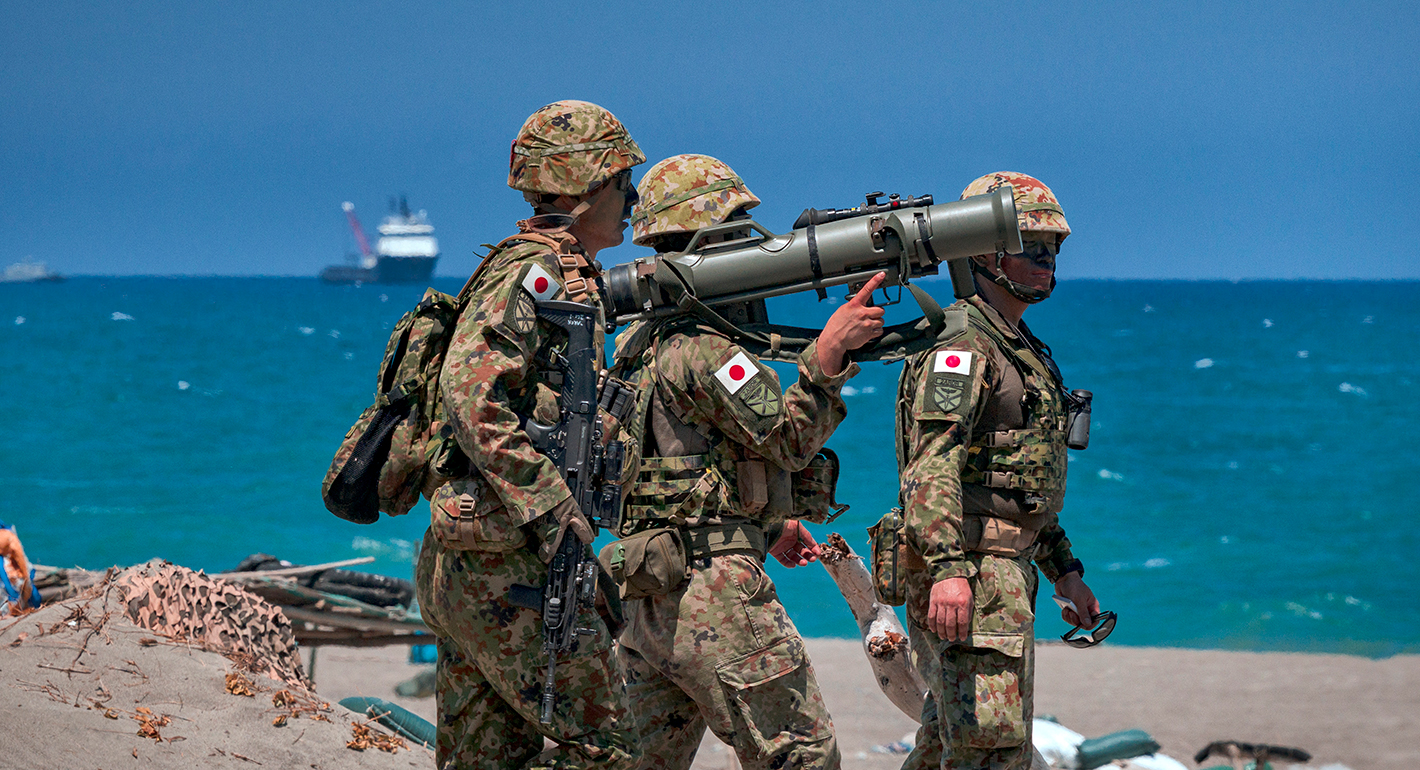
Japan’s revision of its three strategic documents reflects an intention to keep the United States engaged in the region while Japan fills any vacuums of U.S. power to preserve the Indo-Pacific order.
Ryo Sahashi
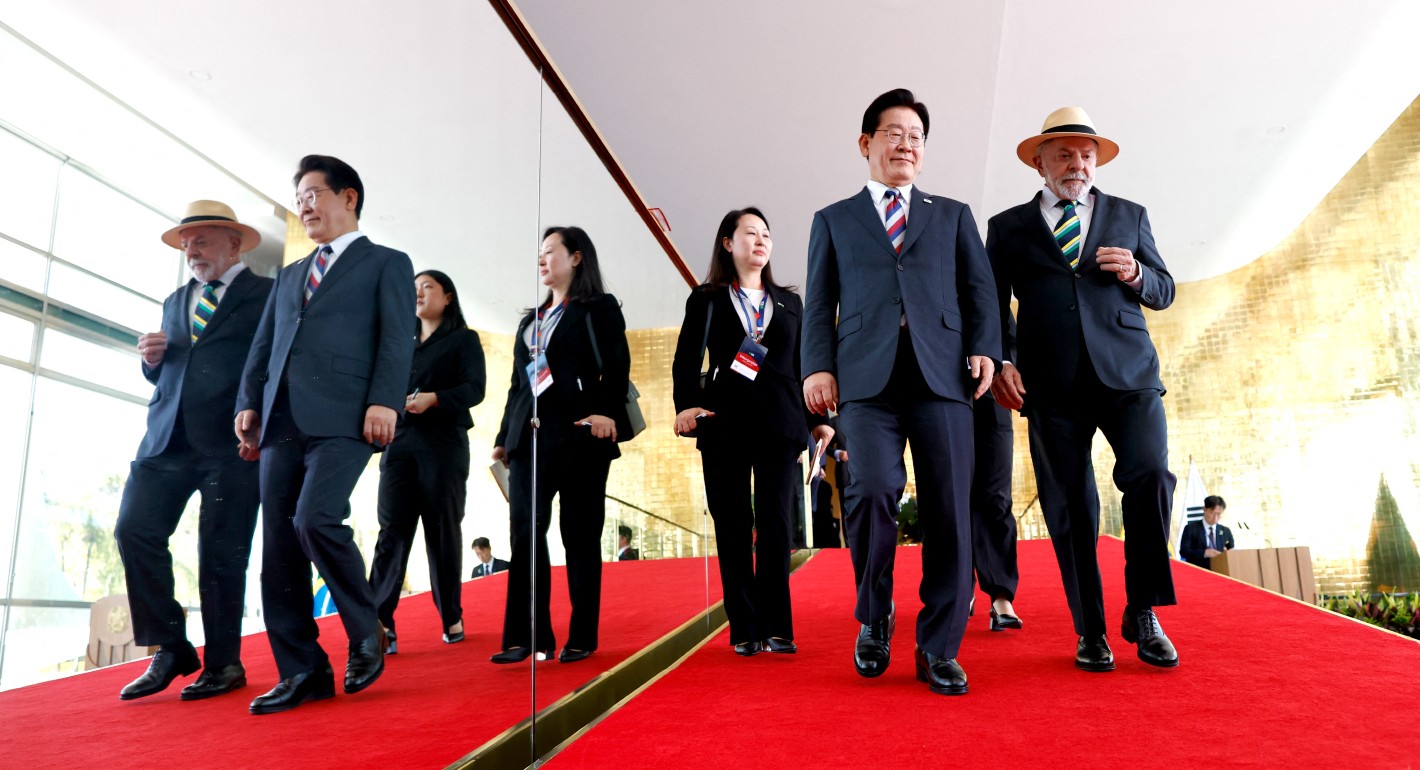
Lee’s tour shows how Seoul is reorganizing its diplomacy away from Pyongyang and toward industrial networks and the geography of the compute economy.

Darcie Draudt-Véjares

The targeting of Damietta Port appears to be more than a mere security message.

Amr Hamzawy
Does Donald Trump want to redraw the map of the world? Historian and geopolitical thinker Stephen Wertheim tries to parse the logic behind current American foreign policy

Stephen Wertheim
In the fog of modern war, generative AI offers every side a simple transaction: Trade documented reality for permanent doubt.

Mahsa Alimardani, Afsaneh Rigot