

Commentary
In Colombia and elsewhere in the region, the United States is trying to shape election outcomes—but at what cost?
Oliver Stuenkel, Adrian Feinberg
{
  "authors": [
    "Marc Lynch",
    "Lindsay Benstead"
  ],
  "type": "legacyinthemedia",
  "centerAffiliationAll": "dc",
  "centers": [
    "Carnegie Endowment for International Peace",
    "Malcolm H. Kerr Carnegie Middle East Center"
  ],
  "collections": [
    "Arab Awakening"
  ],
  "englishNewsletterAll": "menaTransitions",
  "nonEnglishNewsletterAll": "",
  "primaryCenter": "Carnegie Endowment for International Peace",
  "programAffiliation": "MEP",
  "programs": [
    "Middle East"
  ],
  "projects": [],
  "regions": [
    "Middle East",
    "North Africa",
    "Egypt",
    "Gulf",
    "Levant"
  ],
  "topics": [
    "Political Reform",
    "Democracy",
    "Civil Society",
    "Religion"
  ]
}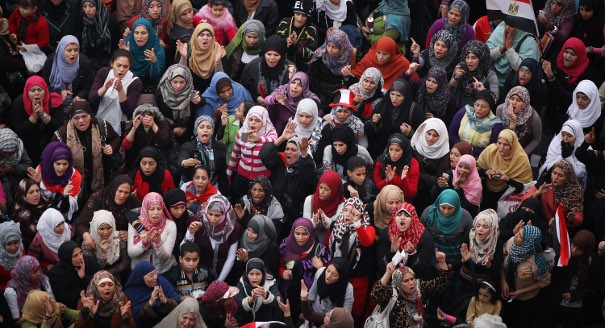
Source: Getty
Across the Middle East, large gender gaps exist in levels of political activity, voter turnout, and the likelihood of being elected.
Source: Project on Middle East Political Science
Lindsay J. Benstead, speaking with Carnegie’s Marc Lynch, discussed the role of women in politics in the Middle East and opportunities for improving political participation and employment opportunities for women in the region.
This interview originally appeared at the Project on Middle East Political Science.
Former Nonresident Senior Fellow, Middle East Program
Marc Lynch was a nonresident senior fellow in Carnegie’s Middle East Program where his work focuses on the politics of the Arab world.
Lindsay Benstead
Carnegie does not take institutional positions on public policy issues; the views represented herein are those of the author(s) and do not necessarily reflect the views of Carnegie, its staff, or its trustees.
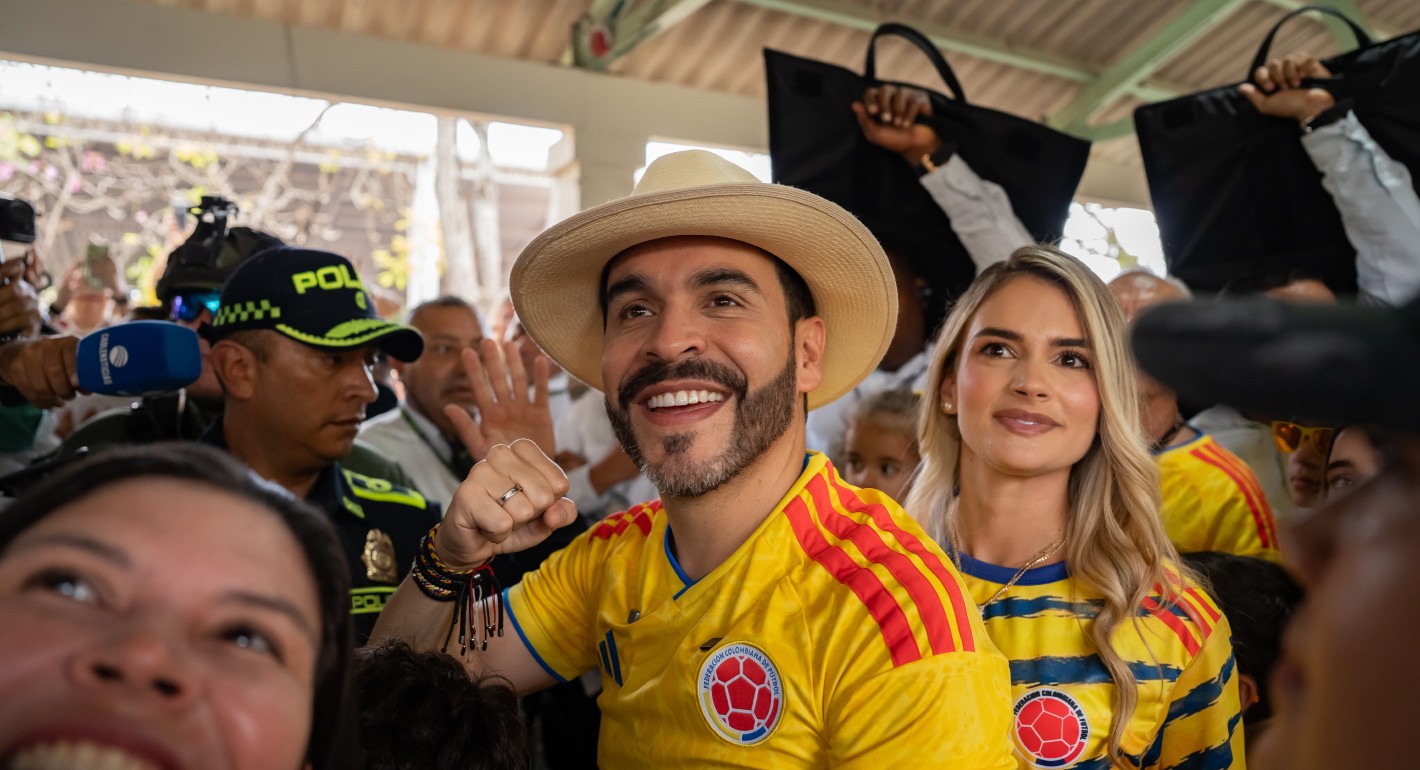
In Colombia and elsewhere in the region, the United States is trying to shape election outcomes—but at what cost?
Oliver Stuenkel, Adrian Feinberg
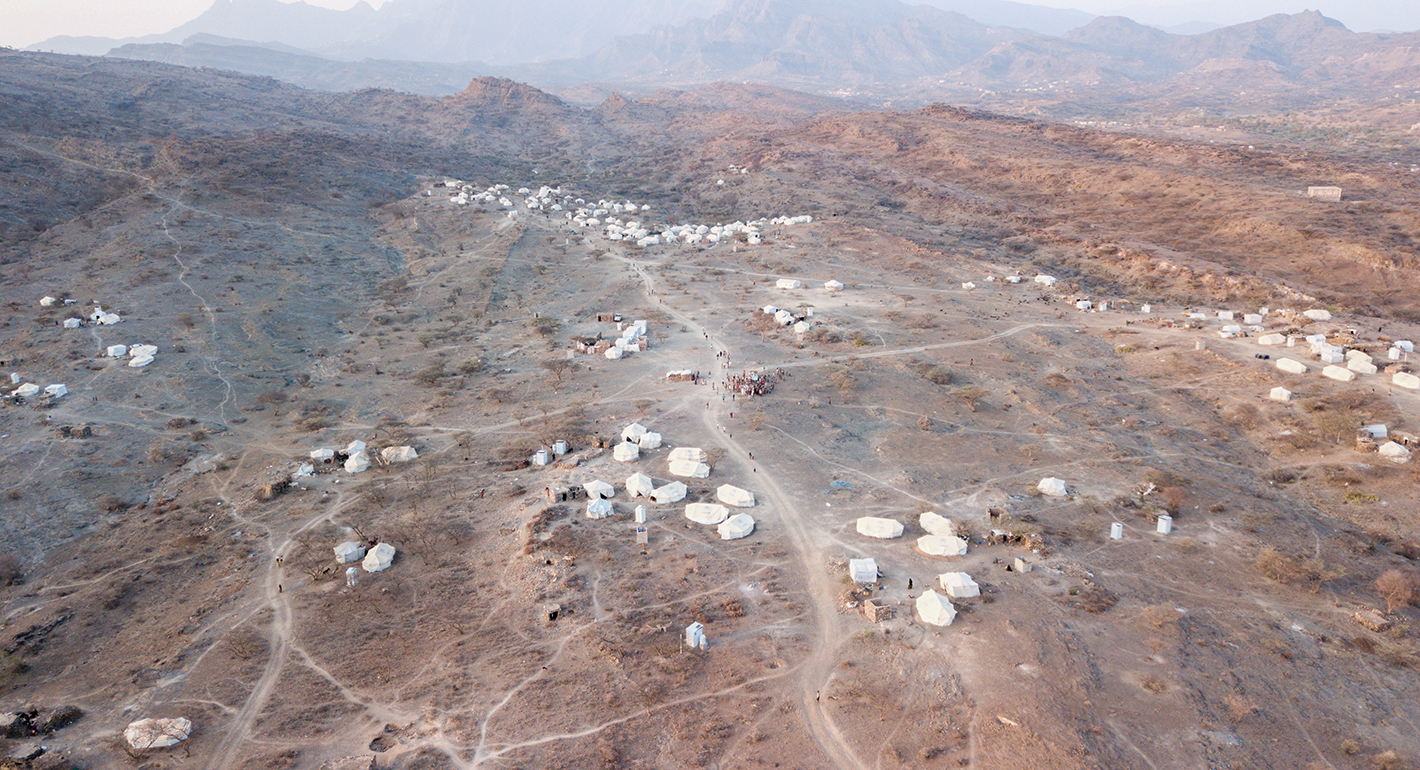
The world’s climate adaptation funds must adapt to address the ways that climate change is deepening state fragility.
Ray Salvatore Jennings, Paul Andrew Mayewski
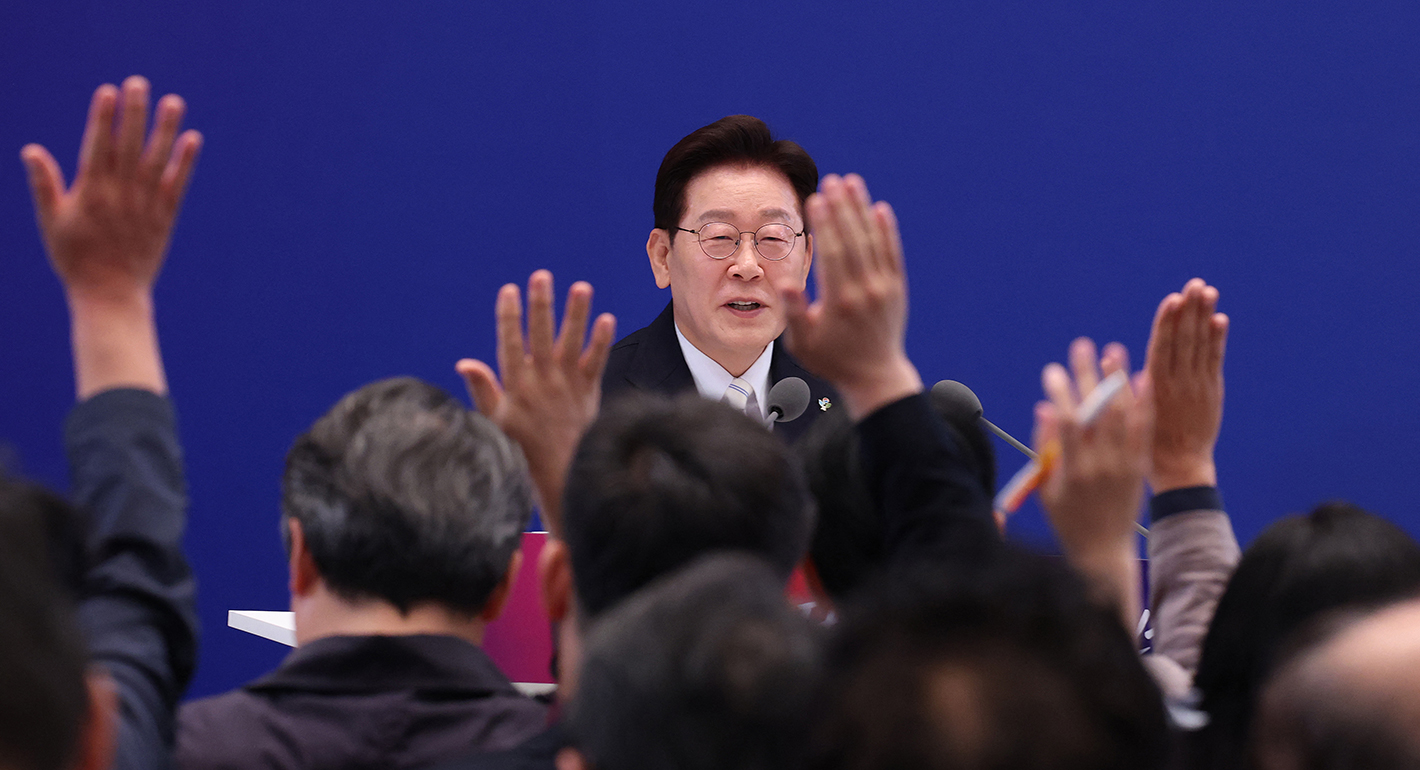
President Lee marked his first year in office after one of the most tumultuous periods in South Korean politics. Though Lee has enjoyed a high approval rating, a large majority in the National Assembly, and foreign policy victories, Lee and his party’s political fortunes depend on generating economic growth, learning the right lessons from the recent local elections, and managing contentious factional strife within his political base.
Chung Min Lee
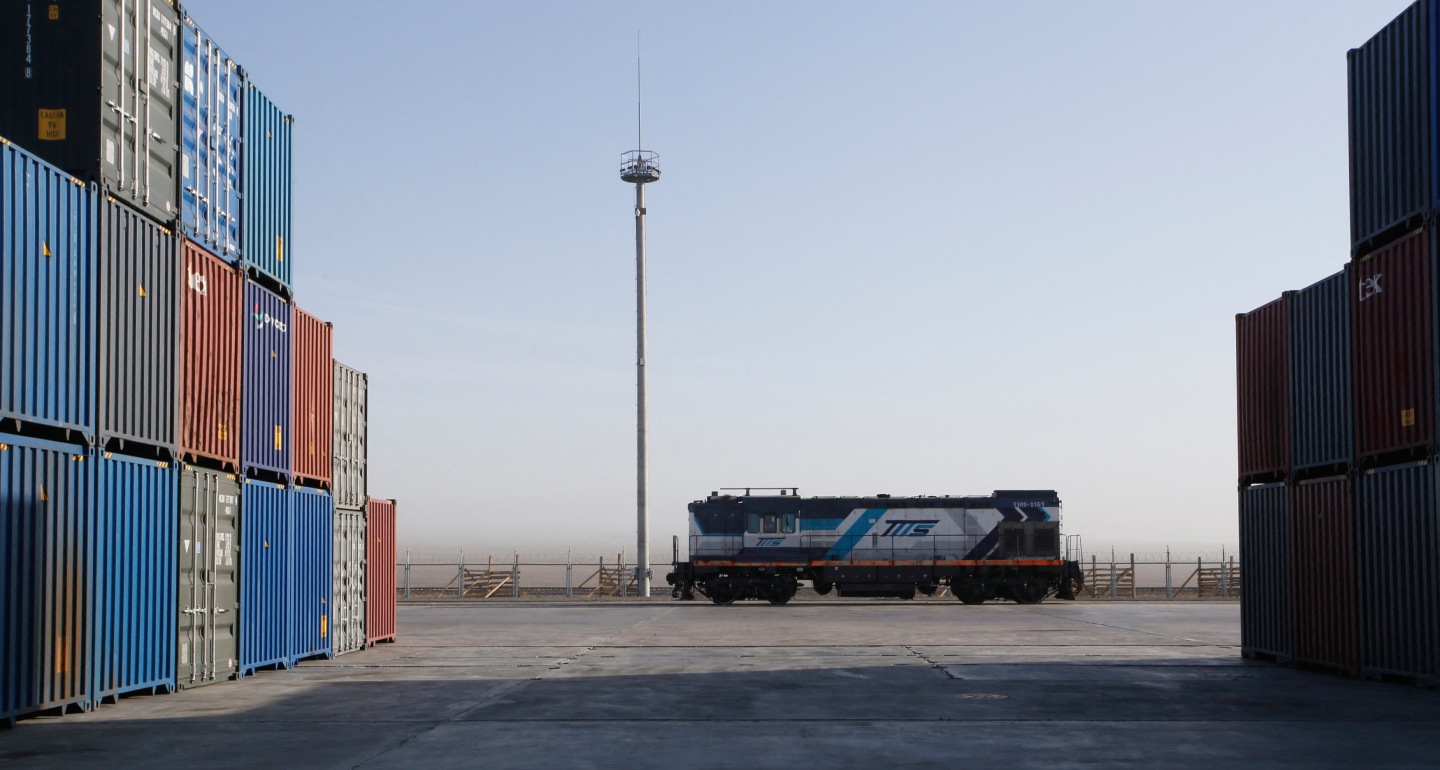
This year’s wars have made alternative routes to transit through Russia no less risky for Central Asian countries.

Galiya Ibragimova
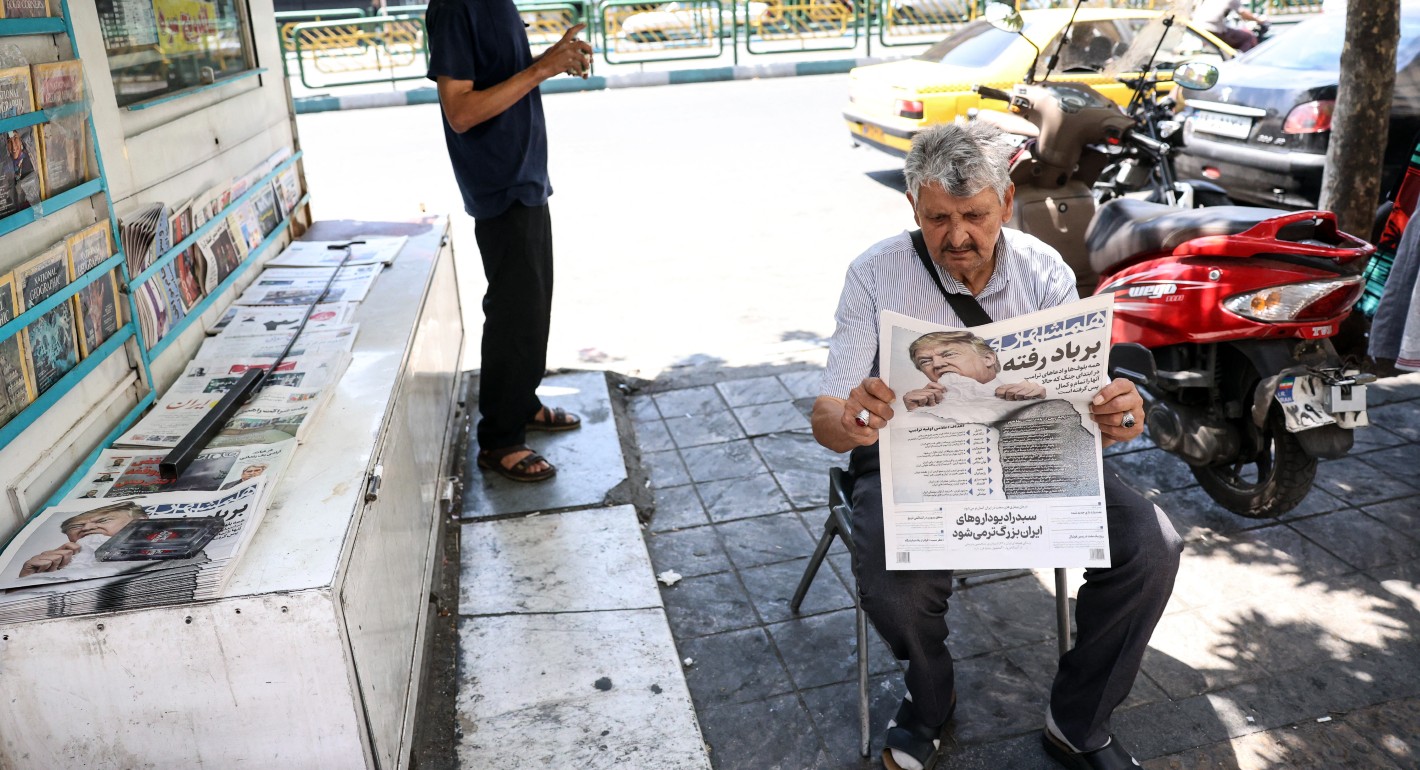
The United States and Israel may have unwittingly revived the Islamic Republic’s “zombie regime.”



Suzanne Maloney, Aaron David Miller, Karim Sadjadpour