

Commentary
If the Russian-speaking community in Latvia cannot articulate their interests without being seen as disloyal, they could end up embracing a pro-Kremlin agenda.
Sergejs Potapkins
{
  "authors": [
    "Marc Lynch",
    "Christian Koch",
    "Ellie Geranmayeh"
  ],
  "type": "legacyinthemedia",
  "centerAffiliationAll": "dc",
  "centers": [
    "Carnegie Endowment for International Peace",
    "Malcolm H. Kerr Carnegie Middle East Center"
  ],
  "collections": [],
  "englishNewsletterAll": "menaTransitions",
  "nonEnglishNewsletterAll": "",
  "primaryCenter": "Carnegie Endowment for International Peace",
  "programAffiliation": "MEP",
  "programs": [
    "Middle East"
  ],
  "projects": [],
  "regions": [
    "Middle East",
    "Iran",
    "Saudi Arabia",
    "Gulf"
  ],
  "topics": [
    "Political Reform",
    "Security"
  ]
}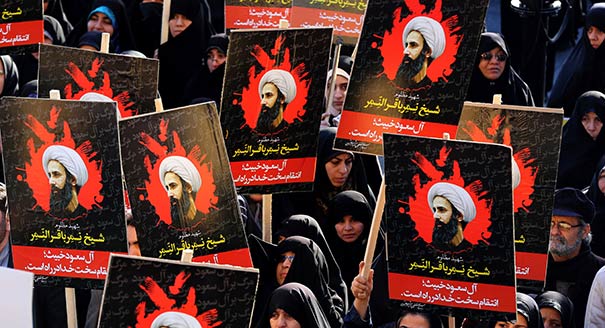
Source: Getty
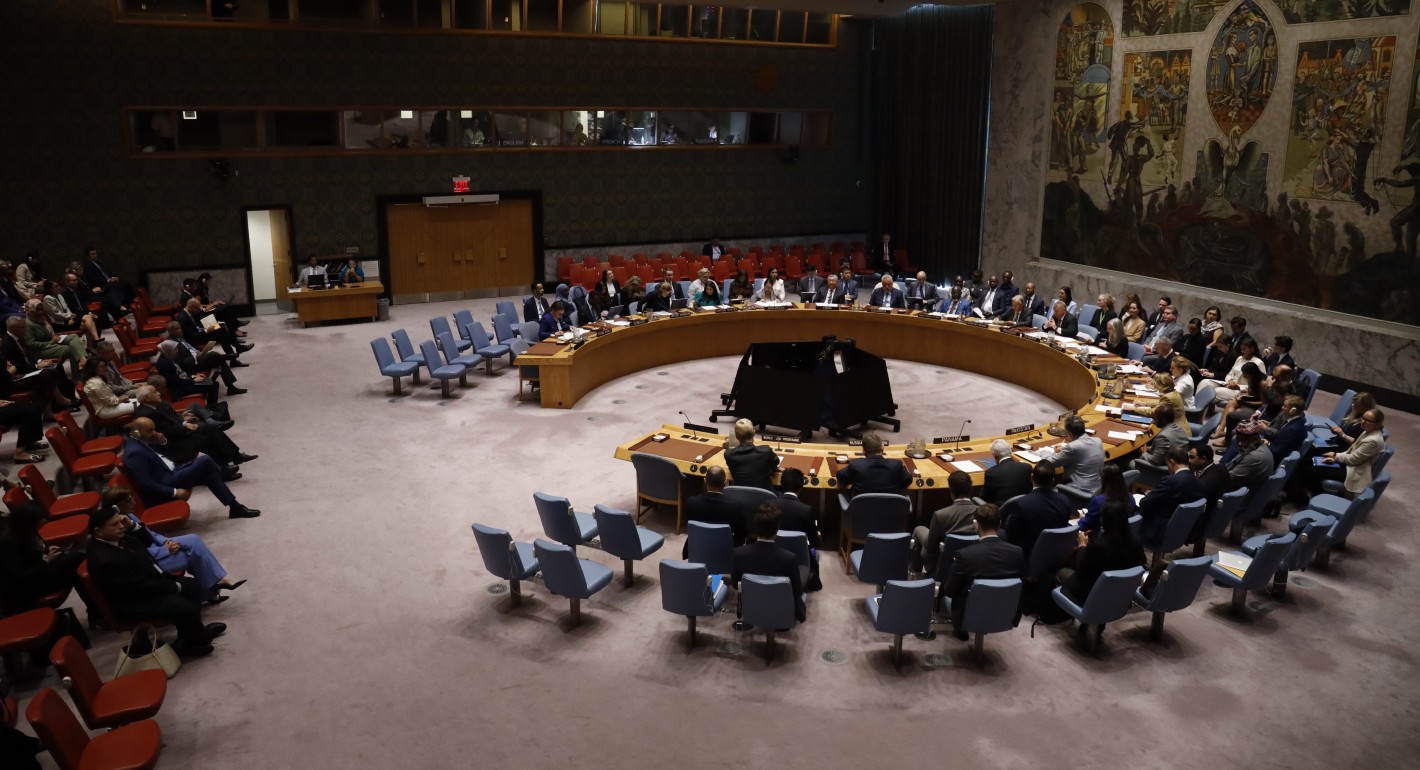
The recent Saudi execution of a prominent Shia cleric and the subsequent attack on their embassy in Iran has heightened tensions across the Gulf.
Source: European Council on Foreign Relations
Saudi Arabia’s execution of Nimr al-Nimr has further stoked regional sectarian discord. However, the attack on the Saudi embassy in Tehran has spoiled much of the political capital that Iran built with the nuclear agreement. Carnegie’s Marc Lynch joined a discussion of the regional and international implications of recent events in the region on ECFR’s World in 30 Minutes.
This podcast originally appeared at the European Council on Foreign Relations.
Former Nonresident Senior Fellow, Middle East Program
Marc Lynch was a nonresident senior fellow in Carnegie’s Middle East Program where his work focuses on the politics of the Arab world.
Christian Koch
Ellie Geranmayeh
Senior policy fellow and deputy head of the Middle East and North Africa programme at the European Council on Foreign Relations.
Ellie Geranmayeh is a senior policy fellow and deputy head of the Middle East and North Africa programme at the European Council on Foreign Relations. She focuses on European policy in relation to Iran, particularly on the nuclear and regional dossiers and sanctions policy.
Carnegie does not take institutional positions on public policy issues; the views represented herein are those of the author(s) and do not necessarily reflect the views of Carnegie, its staff, or its trustees.

If the Russian-speaking community in Latvia cannot articulate their interests without being seen as disloyal, they could end up embracing a pro-Kremlin agenda.

Sergejs Potapkins

Are Germany’s economic, industrial, and political struggles becoming a liability for the EU’s ability to rise to the geopolitical moment?

Rym Momtaz, ed.

Russia’s ruling party would have benefited from Putin appearing as its distant patron, but as an active frontman imposing his views on the public, he has done nothing but harm both the party’s election campaign and the ruling system overall.

Andrey Pertsev

China’s police training infrastructure construction projects provide benefits to recipient countries, promote China’s image as a major global security provider, and are likely to reinforce alignment between Beijing’s security priorities and those of countries in the Global South.

Cameron Waltz, Sheena Chestnut Greitens, Kim Nguyen, …
They face an uphill climb, but they could draw on a strategy that other diplomats have used in the past.


Shana Tabak, Alejandro Martin Rodriguez