

Commentary
The real test may come after the leaders leave the room.
- +1
Sheena Chestnut Greitens, Oriana Skylar Mastro, Yukon Huang, …
{
  "authors": [
    "Nikolay Kozhanov"
  ],
  "type": "legacyinthemedia",
  "centerAffiliationAll": "",
  "centers": [
    "Carnegie Endowment for International Peace",
    "Carnegie Russia Eurasia Center"
  ],
  "collections": [],
  "englishNewsletterAll": "",
  "nonEnglishNewsletterAll": "",
  "primaryCenter": "Carnegie Russia Eurasia Center",
  "programAffiliation": "",
  "programs": [],
  "projects": [],
  "regions": [
    "Middle East",
    "Russia"
  ],
  "topics": [
    "Foreign Policy"
  ]
}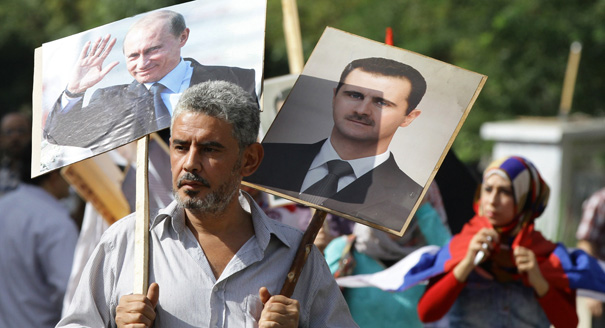
Source: Getty
By intensifying its current activities in the Middle East, the Kremlin is pursuing three goals: economic, political, and security.
Source: Cipher Brief
Since 2012, there has been a period of diplomatic activity by the Kremlin in the Middle East which is unprecedented since the fall of the USSR. Existing records of diplomatic and political contacts show an increased exchange of multilevel delegations between Russia and Middle Eastern countries. Moscow is attempting to cultivate deeper involvement in regional issues and to establish contacts with those forces in the region which the Kremlin considers as legitimate. If before 2012 the Kremlin’s diplomacy in the Middle East could be characterized as inconsistent and shaped by the opportunism of the Russian authorities, the growing confrontation with the West became the factor which impelled Moscow to intensify its activities in the Middle East. All in all, by intensifying its current activities in the region, the Kremlin is pursuing the following three goals:
This article was originally published on The Cipher Brief website.
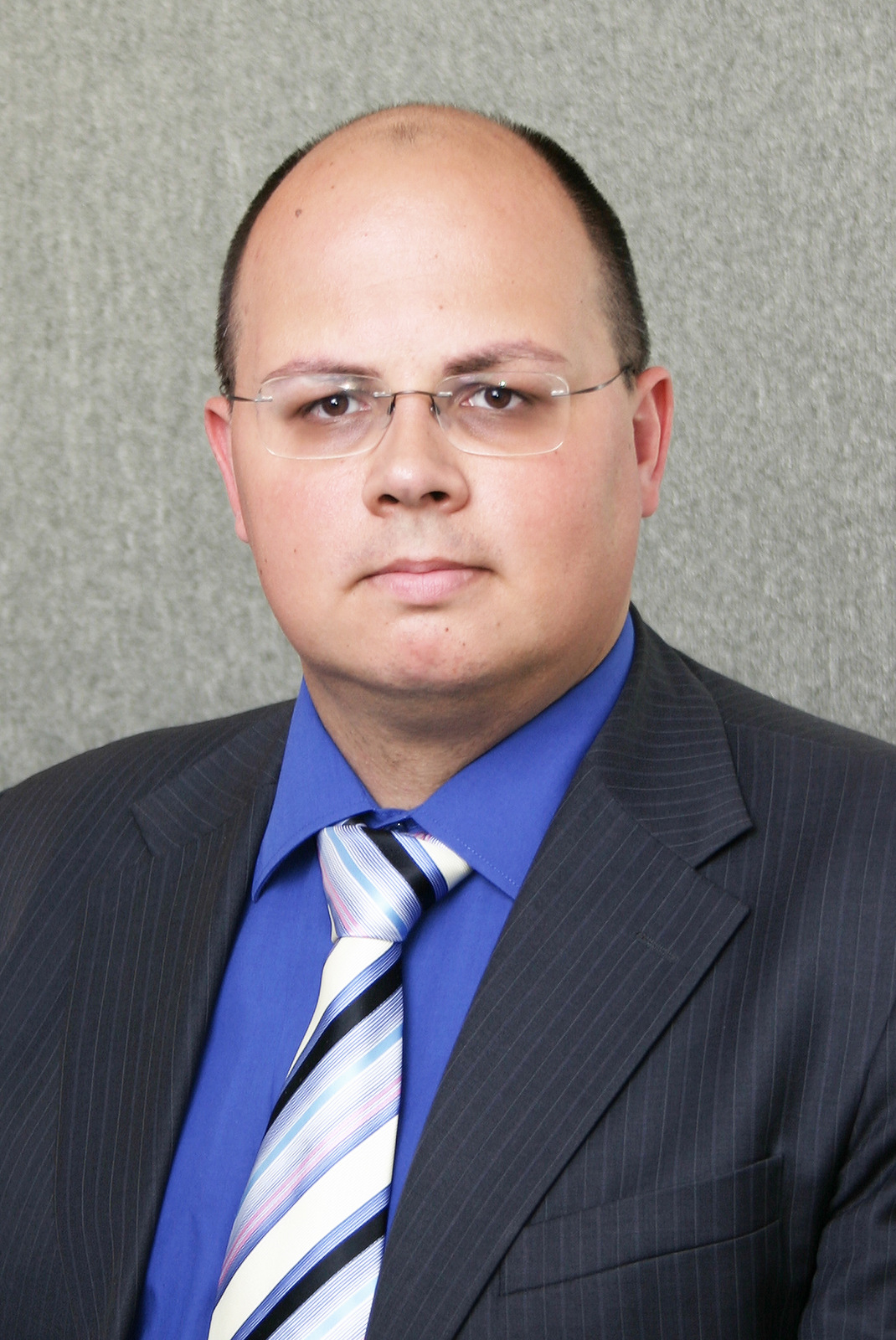
Nikolay Kozhanov
Former nonresident scholar, Foreign and Security Policy Program, Moscow Center
Kozhanov is a former nonresident scholar at the Carnegie Moscow Center and a contributing expert to the Moscow-based Institute of the Middle East.
Carnegie does not take institutional positions on public policy issues; the views represented herein are those of the author(s) and do not necessarily reflect the views of Carnegie, its staff, or its trustees.

The real test may come after the leaders leave the room.



Sheena Chestnut Greitens, Oriana Skylar Mastro, Yukon Huang, …

The Horn of Africa countries are among those facing a new security calculus.


Andrew Leber, Lesley Anne Warner

The European far right might fail to steer EU policy in the direction Russia wants, but they will create enough chaos inside Europe to benefit the Kremlin.

Dimitar Bechev

The new U.S.–Denmark–Greenland agreement will help Washington exert political, economic, and financial dominance under the guise of security. Yet, it acknowledged Copenhagen’s and Nuuk’s sovereignty on the island.

Marc Pierini
Washington needs to recognize that influence in the Western Hemisphere comes from presence, delivery, and reliability. It also must recognize that while the United States remains the key external actor, it no longer operates in a permissive environment and cannot presume deference from regional players who have other options, namely China.
Juan S. Gonzalez