• Research
  • Emissary
  • About
  • Experts
Carnegie Global logoCarnegie lettermark logo
DemocracyIran
  • Donate
{
  "authors": [
    "James M. Acton"
  ],
  "type": "other",
  "centerAffiliationAll": "dc",
  "centers": [
    "Carnegie Endowment for International Peace"
  ],
  "collections": [],
  "englishNewsletterAll": "ctw",
  "nonEnglishNewsletterAll": "",
  "primaryCenter": "Carnegie Endowment for International Peace",
  "programAffiliation": "NPP",
  "programs": [
    "Nuclear Policy"
  ],
  "projects": [],
  "regions": [],
  "topics": [
    "Security",
    "Nuclear Policy"
  ]
}
Source: Getty

Other

Virtual Nuclear Deterrence and Strategic Stability

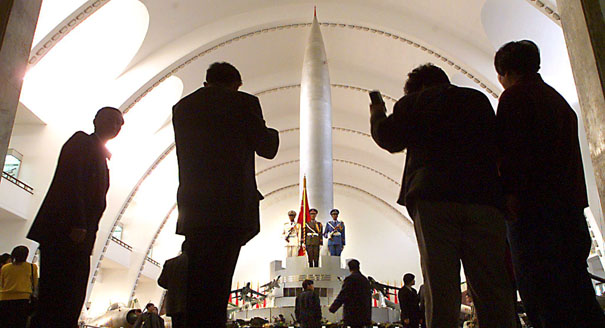
The concept of ‘virtual nuclear abolition’ appeals to the same realist self-help arguments that are normally invoked to explain why nuclear disarmament is neither feasible nor desirable.

Link Copied
By James M. Acton
Published on Dec 31, 2016
Program mobile hero image

Program

Nuclear Policy

The Nuclear Policy Program aims to reduce the risk of nuclear war. Our experts diagnose acute risks stemming from technical and geopolitical developments, generate pragmatic solutions, and use our global network to advance risk-reduction policies. Our work covers deterrence, disarmament, arms control, nonproliferation, and nuclear energy.

Learn More

Source: Chapter

The concept of ‘virtual nuclear abolition’ appeals to the same realist self-help arguments that are normally invoked to explain why nuclear disarmament is neither feasible nor desirable. This chapter explores the conditions under which virtual deterrence would be stable and under which states would have minimal incentives to rearm out of the fear that an adversary might do so.

Read More

This chapter was originally published in Global Nuclear Disarmament: Strategic, Political, and Regional Perspectives, published by Routledge.

About the Author

James M. Acton

Jessica T. Mathews Chair, Co-director, Nuclear Policy Program

Acton holds the Jessica T. Mathews Chair and is co-director of the Nuclear Policy Program at the Carnegie Endowment for International Peace.

    Recent Work

  • Paper
    Nuclear Weapons and the Future of American Power

      James M. Acton, Ankit Panda

  • Commentary
    The Latest Iran Deal Ignores the Lessons of the Past

      James M. Acton

James M. Acton
Jessica T. Mathews Chair, Co-director, Nuclear Policy Program
James M. Acton
SecurityNuclear Policy

Carnegie does not take institutional positions on public policy issues; the views represented herein are those of the author(s) and do not necessarily reflect the views of Carnegie, its staff, or its trustees.
More Work from Carnegie Endowment for International Peace

  • silhouetted figure watching a row of TVs.
    Commentary
    Emissary
    9/11 at 25: A Reading List for Understanding the War on Terror

    The books, podcasts, and films that explain the world it made.

      • Andrew Leber

      Andrew Leber

  • Trump and MBS walking across a stage
    Commentary
    Emissary
    Is the U.S.-Saudi Nuclear Deal Moving From the Gold Standard to a Gilded Standard?

    Congress should ask tough questions about the agreement’s more unique features and whether they advance U.S. interests or compromise them.

      • Jane Darby Menton

      Jane Darby Menton

  • Commentary
    Carnegie Politika
    As It Turns 25, the Shanghai Cooperation Organization Reflects the New World Order

    With the growth in points of friction between the great powers, organizations like the SCO will continue to play a role in the strategic adaptation of the smaller powers caught between them.

      Temur Umarov

  • People dancing in the foreground, with a group of people in suites watching and an Air China plane in the background
    Commentary
    Emissary
    The Two Key Takeaways From Xi’s Egypt Visit

    Amid celebrations of bilateral ties was a deeper focus on stability in the Middle East.

      Amr Hamzawy

  • UAV Forpost of russian air force takes off at Kubinka air force base
    Article
    In Russia’s Long Drone Shadow

    Moscow is testing Europe’s defenses with drone incursions and could decide to use drones against the continent on a much larger scale once the war in Ukraine pauses. European countries will need Kyiv to help them prepare for such a possibility.

      • Pavlo Zvenyhorodskyi

      Pavlo Zvenyhorodskyi

Get more news and analysis from
Carnegie Endowment for International Peace
Carnegie global logo, stacked
1779 Massachusetts Avenue NWWashington, DC, 20036-2103Phone: 202 483 7600
  • Research
  • Emissary
  • About
  • Experts
  • Donate
  • Programs
  • Events
  • Blogs
  • Podcasts
  • Contact
  • Annual Reports
  • Careers
  • Privacy
  • For Media
  • Government Resources
Get more news and analysis from
Carnegie Endowment for International Peace
© 2026 Carnegie Endowment for International Peace. All rights reserved.