

Commentary
- +11
Cornelius Adebahr, Dan Baer, Rosa Balfour, …
{
  "authors": [
    "Erik Brattberg"
  ],
  "type": "other",
  "centerAffiliationAll": "dc",
  "centers": [
    "Carnegie Endowment for International Peace"
  ],
  "collections": [],
  "englishNewsletterAll": "ctw",
  "nonEnglishNewsletterAll": "",
  "primaryCenter": "Carnegie Endowment for International Peace",
  "programAffiliation": "EP",
  "programs": [
    "Europe"
  ],
  "projects": [],
  "regions": [
    "North America",
    "United States",
    "Western Europe",
    "Iran"
  ],
  "topics": [
    "Security",
    "Foreign Policy"
  ]
}
Source: Getty
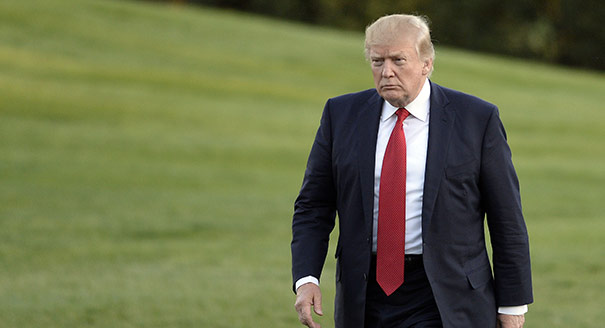
Trump’s mixed signals on issues as varied as the Paris Agreement, trade, Russia, and NATO have left U.S. allies in Europe confused about U.S. policies and priorities.
Carnegie’s Erik Brattberg spoke at the Newseum with Oxford Analytica to offer an expert assessment of European perceptions of U.S. foreign policy 100 days into Trump’s presidency. He pointed out that while many European capitals were initially very concerned about Donald Trump’s rhetoric on the campaign trail, they are feeling somewhat more relaxed today about continued U.S. commitment to Europe and the transatlantic partnership. However, he said, Trump’s mixed signals on issues as varied as the Paris Agreement, trade, Russia, and NATO have left U.S. allies in Europe confused about U.S. policies and priorities. President Trump’s upcoming visits to Europe, he said, will be crucial tests for restoring European trust and confidence in the new U.S. administration’s foreign policy going forward.
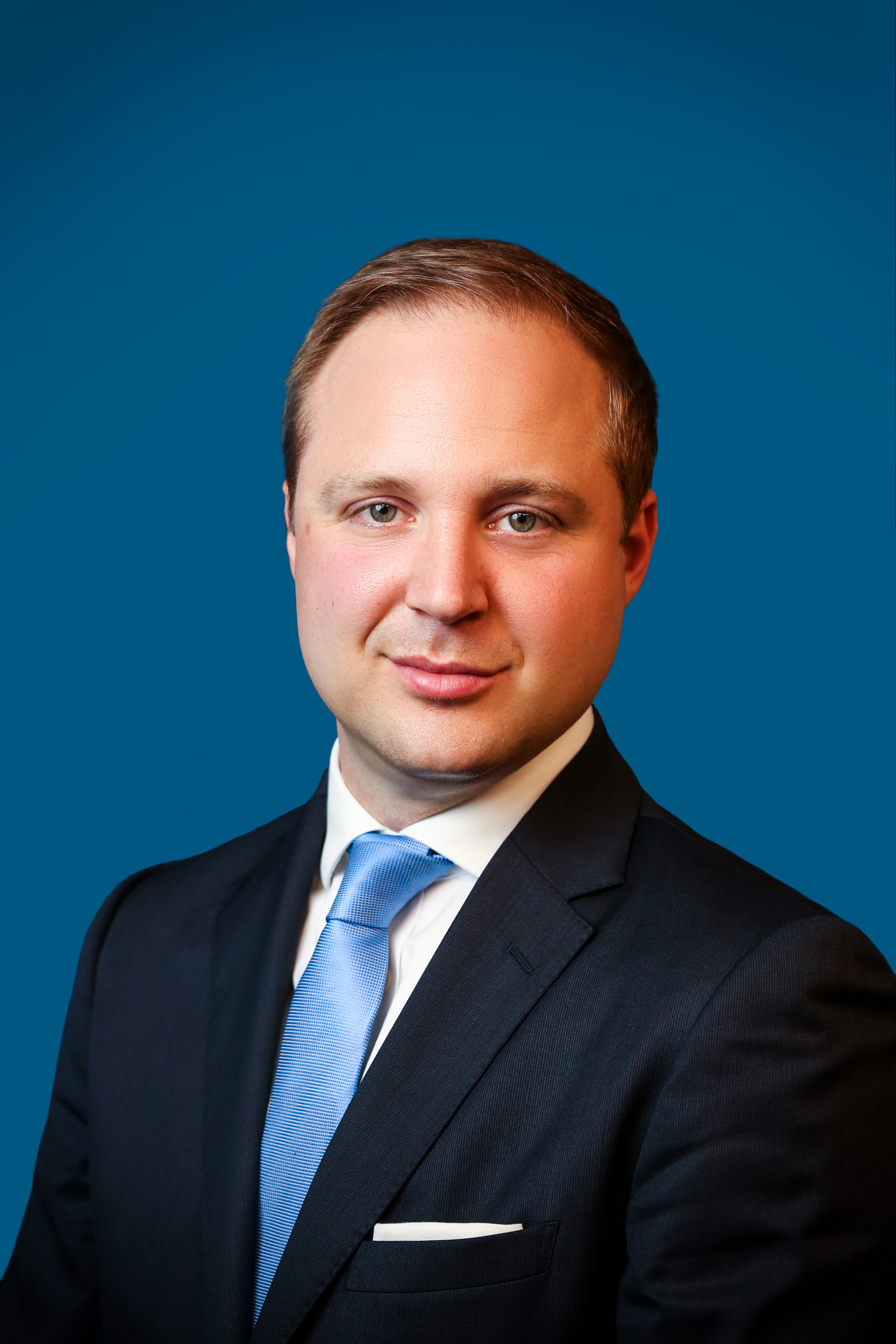
Former Director, Europe Program, Fellow
Erik Brattberg was director of the Europe Program and a fellow at the Carnegie Endowment for International Peace in Washington. He is an expert on European politics and security and transatlantic relations.
Recent Work


Cornelius Adebahr, Dan Baer, Rosa Balfour, …

Erik Brattberg, Philippe Le Corre, Paul Stronski, …
Carnegie does not take institutional positions on public policy issues; the views represented herein are those of the author(s) and do not necessarily reflect the views of Carnegie, its staff, or its trustees.

Trump has promised Belarus a massive potash deal. But Minsk is seeking something greater: restored Western transit and greater room for maneuver from Russia.

Balázs Jarábik

Before the next wave of EU enlargement takes place, the union needs to grapple with thorny questions of how power is distributed among its members.


Emil Sondaj Hansen, Ditte Brasso Sørensen

The real test may come after the leaders leave the room.



Sheena Chestnut Greitens, Oriana Skylar Mastro, Yukon Huang, …

The Horn of Africa countries are among those facing a new security calculus.


Andrew Leber, Lesley Anne Warner

The European far right might fail to steer EU policy in the direction Russia wants, but they will create enough chaos inside Europe to benefit the Kremlin.

Dimitar Bechev