

Commentary
Yukon Huang, Isaac B. Kardon, Matt Sheehan
{
  "authors": [
    "Yukon Huang"
  ],
  "type": "legacyinthemedia",
  "centerAffiliationAll": "dc",
  "centers": [
    "Carnegie Endowment for International Peace"
  ],
  "collections": [],
  "englishNewsletterAll": "asia",
  "nonEnglishNewsletterAll": "",
  "primaryCenter": "Carnegie Endowment for International Peace",
  "programAffiliation": "AP",
  "programs": [
    "Asia"
  ],
  "projects": [],
  "regions": [
    "East Asia",
    "China"
  ],
  "topics": [
    "Economy"
  ]
}
Source: Getty
China is unique in terms of its economic performance but is not exceptional. People need a different set of assumptions to understand China’s economy even though the economic principles for analysis are the same.
Source: CGTN
Speaking on CGTN, Carnegie’s Yukon Huang argued that while China is unique in terms of its economic performance, it is not exceptional. He explained that a different set of assumptions is needed for understanding China’s economy, even though the economic principles for analysis are the same. He offered as an example the importance of recognizing the unique role of local governments in creating a competitive environment in China. On the topic of globalization, Huang argued that there has been an important change in the perception that emerging economies are putting pressures on employment and wage in advanced economies. While the governance structure of globalization has undergone changes and emerging economies have had more say, a consensus has not been reached on what everyone should work toward, Huang said. Huang also argued that the issues that China faces now—such as environmental issues and innovation—are quite different from what it faced ten years ago.

Senior Fellow, Asia Program
Huang is a senior fellow in the Carnegie Asia Program where his research focuses on China’s economy and its regional and global impact.
Recent Work


Yukon Huang, Isaac B. Kardon, Matt Sheehan
Yukon Huang, Genevieve Slosberg
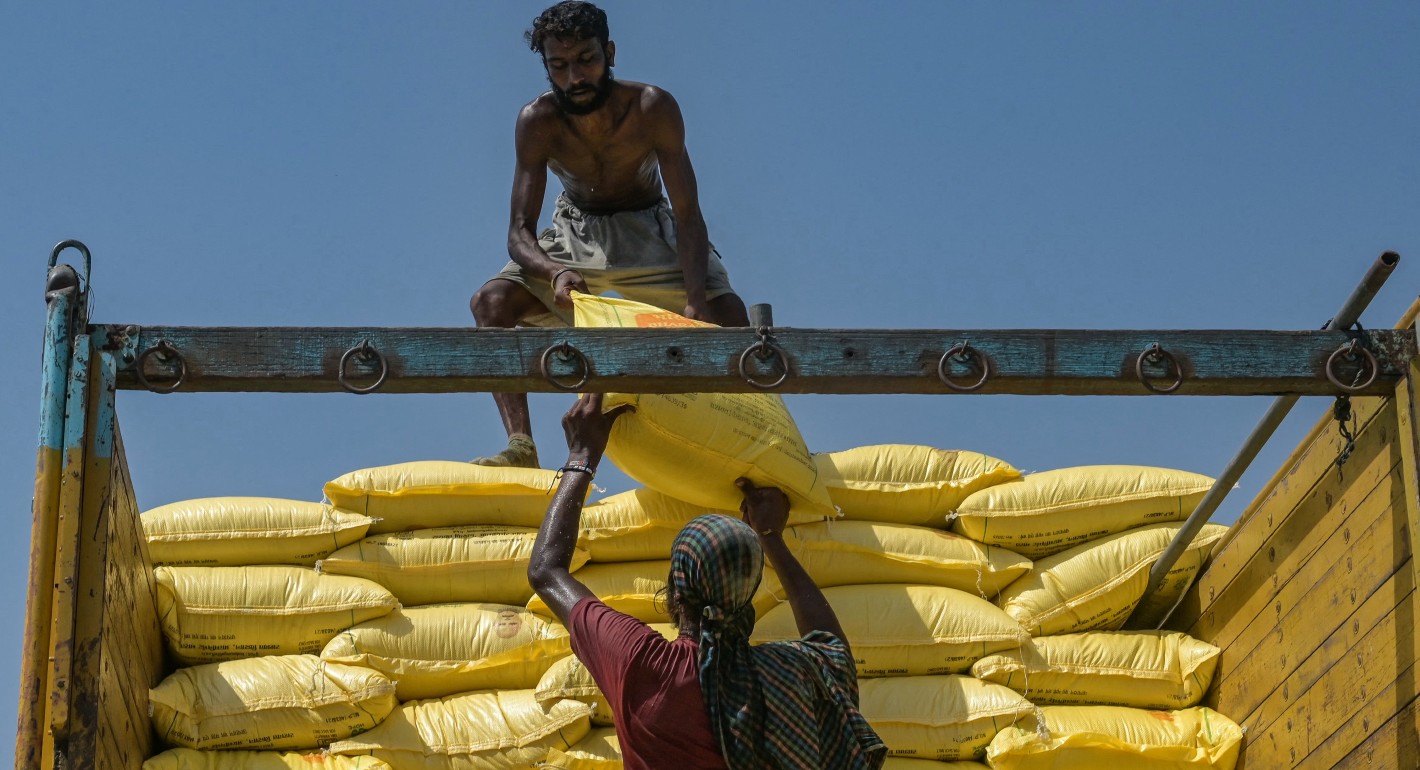
Even if the Iran war stops, restarting production and transport for fertilizers and their components could take weeks—at a crucial moment for planting.

Noah Gordon, Lucy Corthell
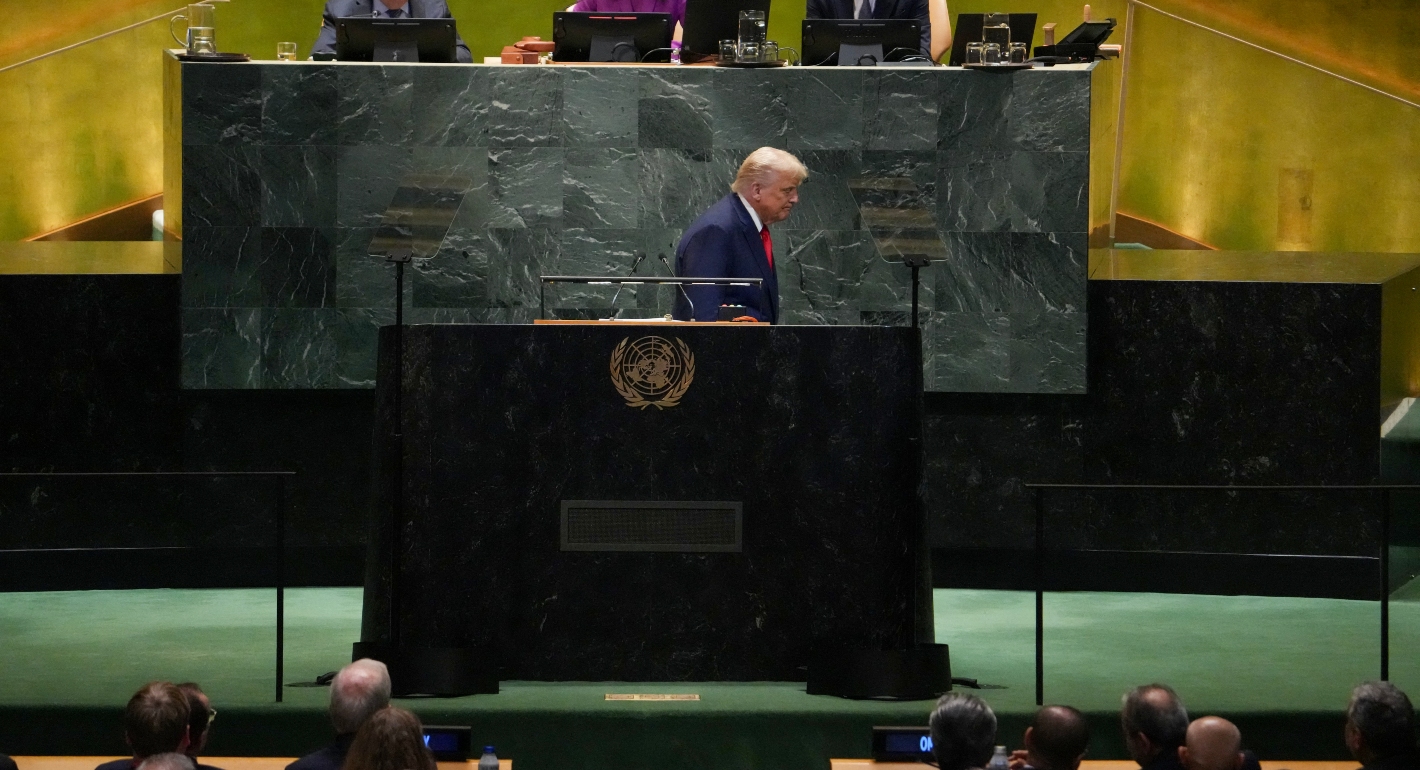
For years, the United States anchored global cyber diplomacy. As Washington rethinks its leadership role, the launch of the UN’s Cyber Global Mechanism may test how allies adjust their engagement.


Patryk Pawlak, Chris Painter

Censorship in China spans the public and private domains and is now enabled by powerful AI systems.
Nathan Law

Most of Moscow’s military resources are tied up in Ukraine, while Beijing’s foreign policy prioritizes economic ties and avoids direct conflict.


Alexander Gabuev, Temur Umarov

The interventions in Iran and Venezuela are in keeping with Trump’s strategy of containing China, but also strengthen Russia’s position.

Mikhail Korostikov