

Article
C. Raja Mohan, Darshana M. Baruah
{
  "authors": [
    "C. Raja Mohan"
  ],
  "type": "legacyinthemedia",
  "centerAffiliationAll": "dc",
  "centers": [
    "Carnegie Endowment for International Peace",
    "Carnegie India"
  ],
  "collections": [],
  "englishNewsletterAll": "ctw",
  "nonEnglishNewsletterAll": "",
  "primaryCenter": "Carnegie India",
  "programAffiliation": "SAP",
  "programs": [
    "South Asia"
  ],
  "projects": [],
  "regions": [
    "South Asia",
    "India"
  ],
  "topics": [
    "Foreign Policy",
    "Security"
  ]
}
Source: Getty
For New Delhi, the challenge is to patiently address the domestic concerns of its partners and develop frameworks for military cooperation that both are in fact, and are seen to be, mutually beneficial.
Source: Indian Express
A revised agreement on developing, managing and operating security infrastructure in the Indian Ocean island state of Seychelles signed over the weekend by outgoing foreign secretary S Jaishankar underlines India’s opportunities and challenges in becoming a security provider in the littoral.
As India steps out to take larger responsibilities in the Indian Ocean, it should look to its own past for lessons on the difficulties associated with projecting military power. In the Great Game of the 19th and early 20th centuries, the British Raj had to continuously fend off rival European powers from gaining a strategic foothold in the Indian Ocean.
The Raj also had to ensure that its own access to islands at critical locations and the choke points constricting entry and exit from the Indian Ocean is not threatened by internal turbulence in these places, power play by its rivals or a combination of both. The burden of getting this done was on the shoulders of the so-called “politicals”.
The term referred to the officers of the fabled Political Department, the precursor of our present foreign office under the Raj. The “politicals” had the task of negotiating special political relationships and military partnerships with kingdoms and khanates beyond the frontiers and steer the geopolitical dynamic in favour of the Raj.
Independence in 1947 produced a strange disconnect for Indian diplomacy. The diplomatic corps, now known as the Indian Foreign Service, was torn between sustaining the realpolitik of the Raj and articulating Jawaharlal Nehru’s moralpolitik. In the neighbourhood, independent India claimed the burden of a paramount power but on the global stage, Delhi became a champion of norms and values.
The Indian Ocean, unfortunately, fell into the domain of moralpolitik rather than realpolitik. When Great Britain decided to withdraw from the “east of Suez” in the 1960s, India dismissed the notions of “power vacuum” in the littoral. It opposed the attempts by America and Russia to beef up their military presence in the Indian Ocean, and backed calls for declaring the Indian Ocean as a “Zone of Peace”. It was also a period when India disconnected itself economically and strategically from the region in the name of self-reliance and non-alignment.
Delhi’s romantic views about the political order in the Indian Ocean did not survive the contact with reality. Regional conflicts and great-power rivalry saw the littoral states opening up their territories for great-power military bases. The end of the Cold War saw the easing of great power tensions, but foreign military bases did not disappear.
As the Indian Ocean gains strategic salience, there is renewed great-power interest in bases and military facilities. Russia and France acquired new base facilities in Syria and Abu Dhabi respectively. The US military is, of course, well established in Diego Garcia.
What’s new is the Chinese and Indian interest in acquiring bases and facilities. Once fierce opponents of foreign military bases in Asia and the Indian Ocean, Beijing and Delhi now the see the need for such arrangements in order to secure their interests beyond borders. China has acquired its first military base in Djibouti and will surely get more in the coming years.
During his visit to the Indian Ocean Island states in early 2015, Prime Minister Narendra Modi affirmed India’s commitment to take on a larger role in securing the Indian Ocean. As part of this new approach, Delhi finalised agreements to develop military facilities on the Assumption Island in Seychelles and the Aga Lega in Mauritius. Political anxieties about sovereignty and internal political disputes in both countries have tended to slow the implementation of the agreements.
This should not come as a surprise to Delhi. Those in India who question the delay in formalising the agreement with Seychelles must recall that Delhi took more than a decade to negotiate a far simpler logistics support agreement with Washington. Letting other countries operate military facilities on one’s soil is never easy in any country. It often becomes a political football for competing factions. The domestic arguments get fused with the attempts by major powers to undo special political relationships negotiated by their rivals.
For Delhi, the challenge is to patiently address the domestic concerns of its partners and develop frameworks for military cooperation that are, in fact, and seen to be mutually beneficial. No relationship with smaller countries can be taken for granted. Partnerships have to be won and not merely claimed. The leaders of these countries are fully aware of their options with other powers. India, therefore, has to carefully tend these relationships with sustained political attention.
That precisely is what the “politicals” of the Raj did. The challenge is much harder in the 21st century amidst the consolidation of national identities and zealous defence of sovereignty. Making the challenge harder for India is China’s new found economic wealth that is being turned into political influence and military presence in the Subcontinent and beyond.
The outgoing foreign secretary, S Jaishankar, has certainly rekindled the spirit of the “politicals” in raising India’s geopolitical game in the Indian Ocean. But to maintain the tempo over the longer term, his successor, Vijay Gokhale, will need stronger institutional support across the government in Delhi. For the challenge of consolidating India’s natural advantages in the Indian Ocean is becoming harder by the day.
This article was originally published in the Indian Express.
Former Nonresident Senior Fellow, Carnegie India
A leading analyst of India’s foreign policy, Mohan is also an expert on South Asian security, great-power relations in Asia, and arms control.
Recent Work

C. Raja Mohan, Darshana M. Baruah


Alexander Gabuev, Paul Haenle, C. Raja Mohan, …
Carnegie does not take institutional positions on public policy issues; the views represented herein are those of the author(s) and do not necessarily reflect the views of Carnegie, its staff, or its trustees.

The conflict is exposing the deep energy vulnerabilities of Korea’s chip industry.


Darcie Draudt-Véjares, Tim Sahay
French President Emmanuel Macron has unveiled his country’s new nuclear doctrine. Are the changes he has made enough to reassure France’s European partners in the current geopolitical context?

Rym Momtaz, ed.
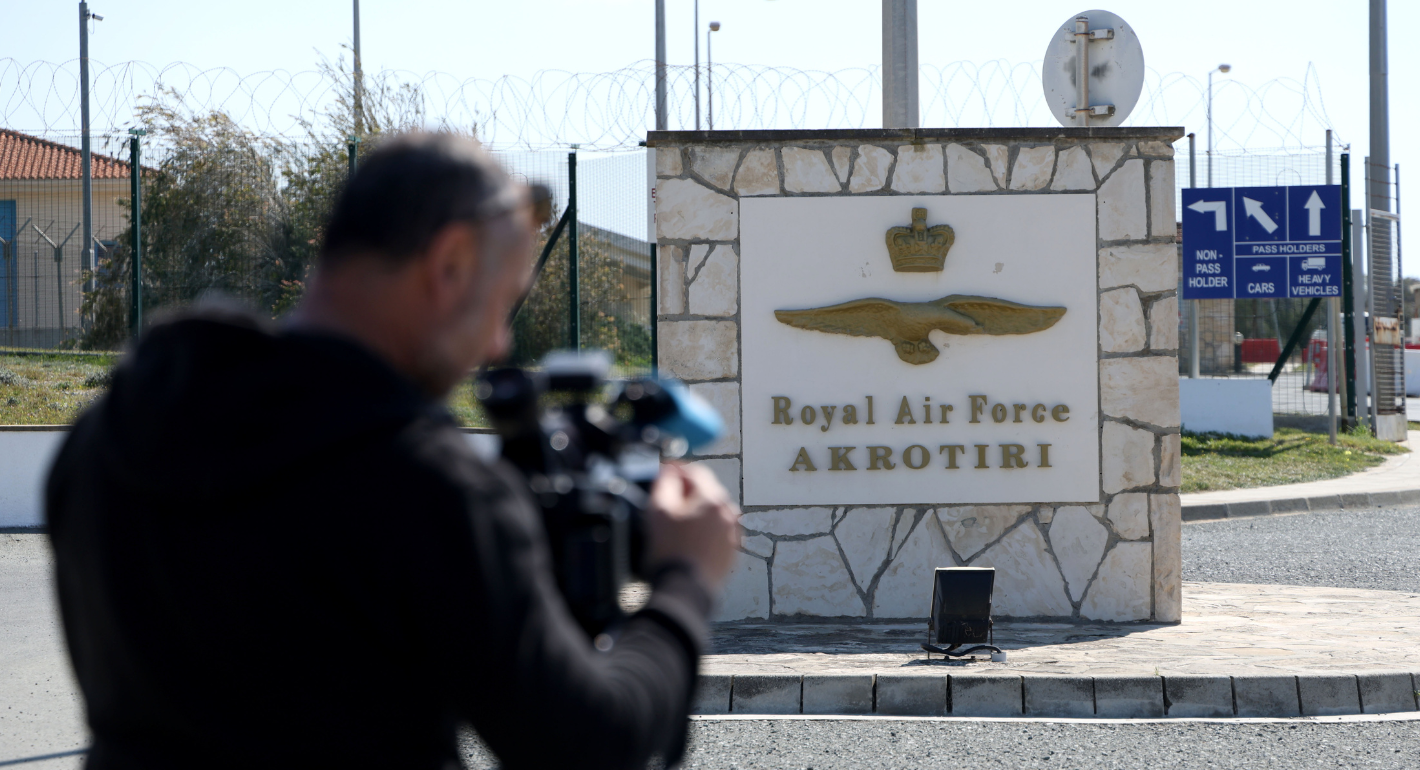
The drone strike on the British air base in Akrotiri brings Europe’s proximity to the conflict in Iran into sharp relief. In the fog of war, old tensions in the Eastern Mediterranean risk being reignited, and regional stakeholders must avoid escalation.

Marc Pierini
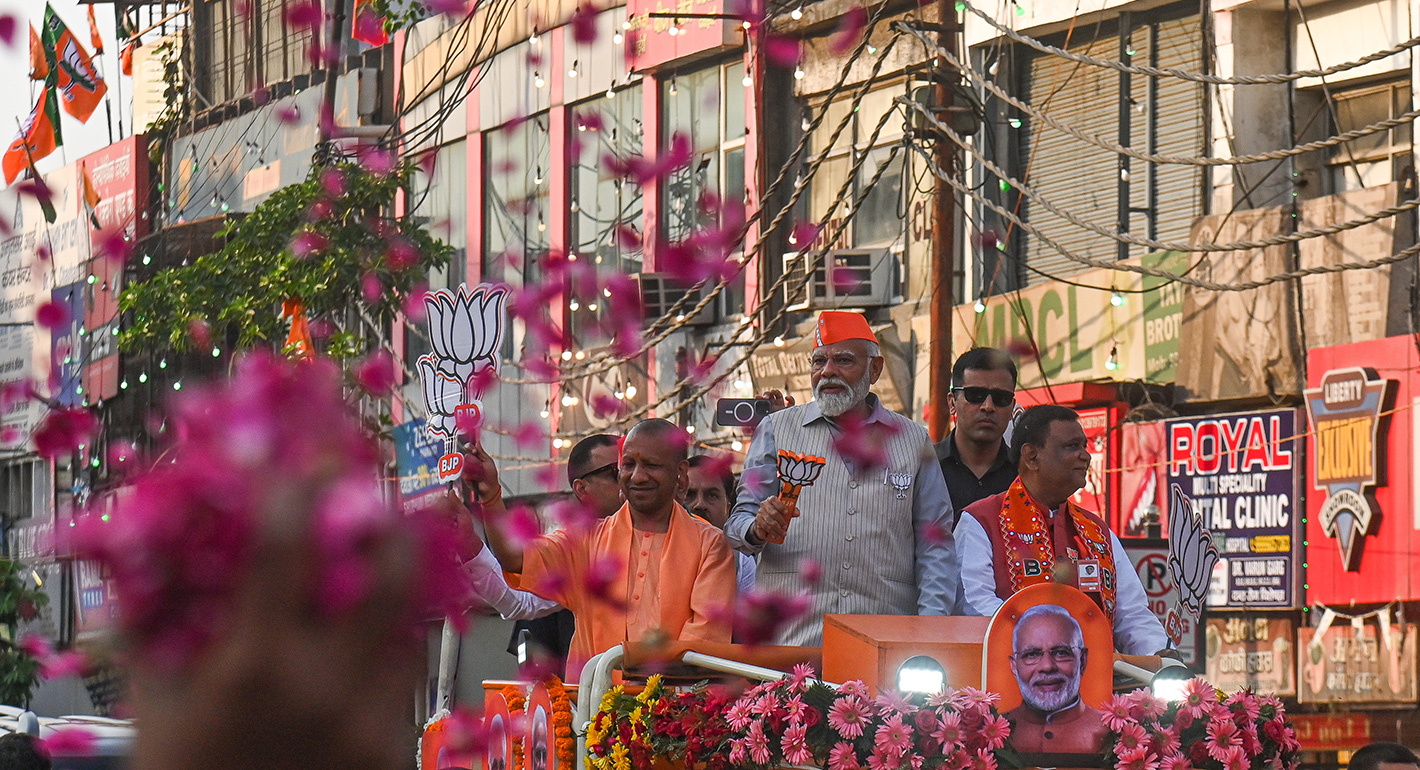
Domestic mobilization, personalized leadership, and nationalism have reshaped India’s global behavior.

Sandra Destradi
For years, the United States anchored global cyber diplomacy. As Washington rethinks its leadership role, the launch of the UN’s Cyber Global Mechanism may test how allies adjust their engagement.


Patryk Pawlak, Chris Painter