

Commentary
Cornelius Adebahr
{
  "authors": [
    "Cornelius Adebahr"
  ],
  "type": "other",
  "centerAffiliationAll": "dc",
  "centers": [
    "Carnegie Endowment for International Peace",
    "Carnegie Europe"
  ],
  "collections": [
    "Transatlantic Cooperation",
    "Europe’s Southern Neighborhood",
    "Iranian Proliferation"
  ],
  "englishNewsletterAll": "ctw",
  "nonEnglishNewsletterAll": "",
  "primaryCenter": "Carnegie Europe",
  "programAffiliation": "EP",
  "programs": [
    "Europe"
  ],
  "projects": [],
  "regions": [
    "Middle East",
    "Europe",
    "North America",
    "United States",
    "Iran",
    "Western Europe"
  ],
  "topics": [
    "Nuclear Policy"
  ]
}
Source: Getty
European policy toward Iran is likely to be hampered both by transatlantic tensions and regional turmoil.
Source: Global Policy Journal
European policy toward Iran is likely to be hampered both by transatlantic tensions and regional turmoil. While the EU in principle follows the right approach by defending the nuclear deal of 2015, continued pressure from hardliners in both Washington and Tehran as well as the unpredictability of events in the region make for a volatile political environment. The EU needs to maintain the rigorous implementation of the deal itself while addressing Iran's regional expansion more forcefully – not to please Washington but in its own interest. Without regaining some sort of transatlantic unity on the issue, however, the deal – a remarkable feat of non-proliferation diplomacy – is likely to fall apart.
This article originally appeared on the Global Policy Journal.

Former Nonresident Fellow, Carnegie Europe
Cornelius Adebahr was a nonresident fellow at Carnegie Europe. His research focuses on foreign and security policy, in particular regarding Iran and the Persian Gulf, on European and transatlantic affairs, and on citizens’ engagement.
Recent Work
Cornelius Adebahr

Cornelius Adebahr, Barbara Mittelhammer
Carnegie does not take institutional positions on public policy issues; the views represented herein are those of the author(s) and do not necessarily reflect the views of Carnegie, its staff, or its trustees.

An overwhelming victory by a far-right-wing party in a small state in eastern Germany will have major repercussions for Chancellor Friedrich Merz’s coalition.

Judy Dempsey

Congress needs to step up and make EXIM a low-carbon financing powerhouse.
Jesse Young
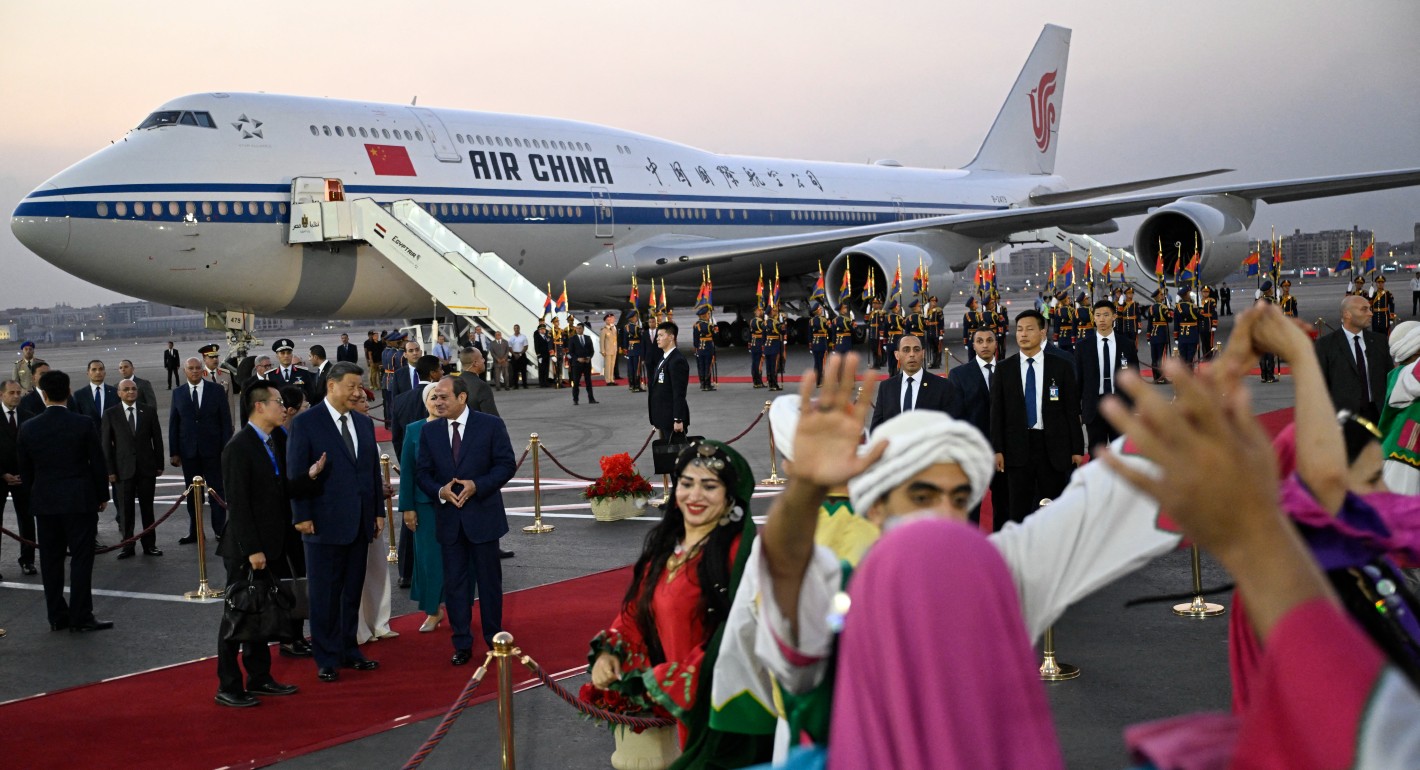
Amid celebrations of bilateral ties was a deeper focus on stability in the Middle East.

Amr Hamzawy

Canadian Prime Minister Mark Carney has twice inspired praise for standing up to U.S. President Donald Trump: at the 2026 World Economic Forum in Davos and on Canada-U.S. trade negotiations. Is Carney showing a third way better than the EU has in dealing with the Trump administration?

Rym Momtaz, ed.
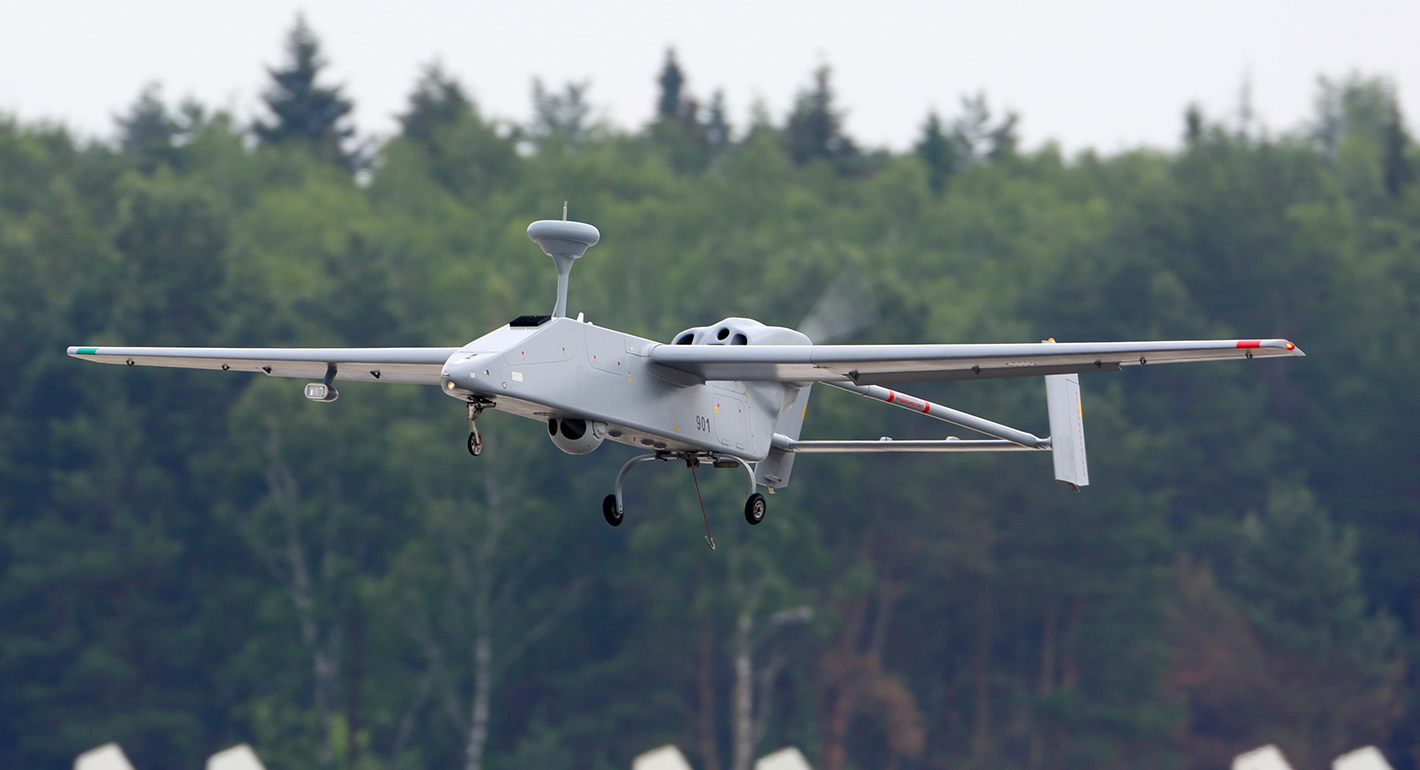
Moscow is testing Europe’s defenses with drone incursions and could decide to use drones against the continent on a much larger scale once the war in Ukraine pauses. European countries will need Kyiv to help them prepare for such a possibility.
Pavlo Zvenyhorodskyi