

Commentary
It should address the shortcomings of previous crisis communication efforts and adapt to the demands of frontier AI.
Lucy Luo
{
  "authors": [
    "Erik Brattberg",
    "Jamie Fly"
  ],
  "type": "other",
  "centerAffiliationAll": "dc",
  "centers": [
    "Carnegie Endowment for International Peace"
  ],
  "collections": [],
  "englishNewsletterAll": "ctw",
  "nonEnglishNewsletterAll": "",
  "primaryCenter": "Carnegie Endowment for International Peace",
  "programAffiliation": "EP",
  "programs": [
    "Europe"
  ],
  "projects": [],
  "regions": [
    "North America",
    "United States",
    "Eastern Europe",
    "Western Europe",
    "Iran"
  ],
  "topics": [
    "Democracy",
    "Foreign Policy",
    "Global Governance"
  ]
}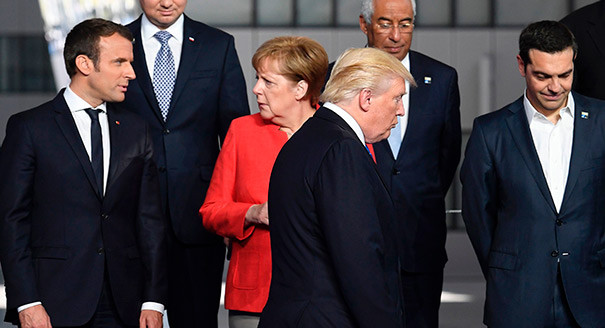
Source: Getty
The traditional partnership between the U.S. and Europe is under duress. A step forward on areas of agreement must be found despite current challenges.
Source: German Marshall Fund
Almost eighteen months into the Trump administration, much of the traditional partnership between the United States and Europe is under severe, and in many ways unprecedented, stress. Up to this point, the relationship has been dominated by the myriad of issues on which Washington and European capitals diverge — whether the Paris agreement, the recognition of Jerusalem as the capital of Israel, withdrawal from the JCPOA with Iran, or more recently steel and aluminum tariffs. The Trump administration certainly bears primary responsibility for what is perceived in Europe as a rudderless if not even hostile alliance policy. Yet, despite these differences, the United States and Europe are the most natural partners to confront the 21st century challenges facing liberal democracies. The threats from challengers such as China and Russia will only grow more unmanageable if transatlantic partners retreat into their corners. A way forward on areas of agreement, and areas where mutually beneficial bargains can be carved out, must be found despite the turmoil.
Managing ongoing cooperation and avoiding a split over the inevitable disagreements will be a key challenge for policymakers on both sides of the Atlantic over the coming months and years. Yet, there is a need to go beyond just managing ongoing cooperative efforts to also reinvent the transatlantic agenda — it is time for Washington and European capitals to develop a positive agenda that gives new meaning to the transatlantic alliance. This should include stepping up the U.S. engagement within Europe itself, strengthening the U.S. presence and engagement on Europe’s periphery, and capitalizing on opportunities to work with Europe on addressing shared global challenges. In particular, the Trump administration should focus on four key objectives in the coming three years — cooperation on addressing the rise of China, supporting new EU defense initiatives as part of transatlantic burden-sharing, completing the European project, and ensuring strong U.K.–EU ties post-Brexit. Ultimately, U.S. and European policymakers still share some common ground where practical cooperation can be advanced.
This paper was originally published by German Marshall Fund.
Former Director, Europe Program, Fellow
Erik Brattberg was director of the Europe Program and a fellow at the Carnegie Endowment for International Peace in Washington. He is an expert on European politics and security and transatlantic relations.
Jamie Fly
Jamie Fly is a senior fellow at the German Marshall Fund and previously served as Senator Marco Rubio's foreign policy advisor.
Carnegie does not take institutional positions on public policy issues; the views represented herein are those of the author(s) and do not necessarily reflect the views of Carnegie, its staff, or its trustees.

It should address the shortcomings of previous crisis communication efforts and adapt to the demands of frontier AI.

Lucy Luo

If the Russian-speaking community in Latvia cannot articulate their interests without being seen as disloyal, they could end up embracing a pro-Kremlin agenda.

Sergejs Potapkins
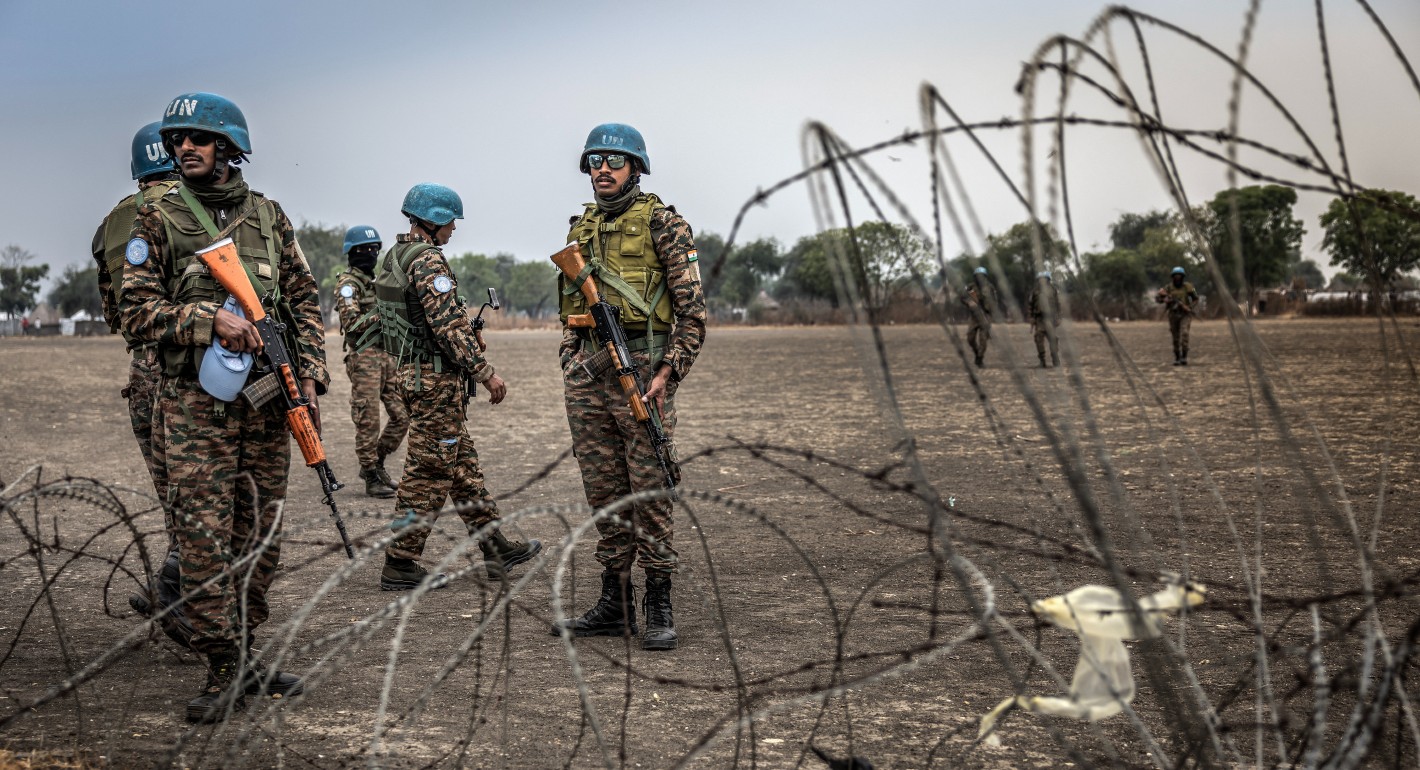
Washington’s decision to support some UN functions while letting others wither is pulling the organization apart at the seams.

Stewart Patrick, Theodore Zaritsky

While there are notable demographic, economic, and geographic divides over AI, there is also substantial alignment between Republicans and Democrats.



Ian Klaus, Mark Baldassare, Rachel George, …

Are Germany’s economic, industrial, and political struggles becoming a liability for the EU’s ability to rise to the geopolitical moment?

Rym Momtaz, ed.