

Research
- +10
Jarrett Blanc, Thomas de Waal, Karim Sadjadpour, …
{
  "authors": [
    "Jarrett Blanc"
  ],
  "type": "legacyinthemedia",
  "centerAffiliationAll": "dc",
  "centers": [
    "Carnegie Endowment for International Peace",
    "Malcolm H. Kerr Carnegie Middle East Center"
  ],
  "collections": [],
  "englishNewsletterAll": "americanStatecraft",
  "nonEnglishNewsletterAll": "",
  "primaryCenter": "Carnegie Endowment for International Peace",
  "programAffiliation": "ASP",
  "programs": [
    "American Statecraft"
  ],
  "projects": [],
  "regions": [
    "North America",
    "United States",
    "Middle East",
    "Iran"
  ],
  "topics": [
    "Political Reform",
    "Global Governance",
    "Foreign Policy"
  ]
}
Source: Getty
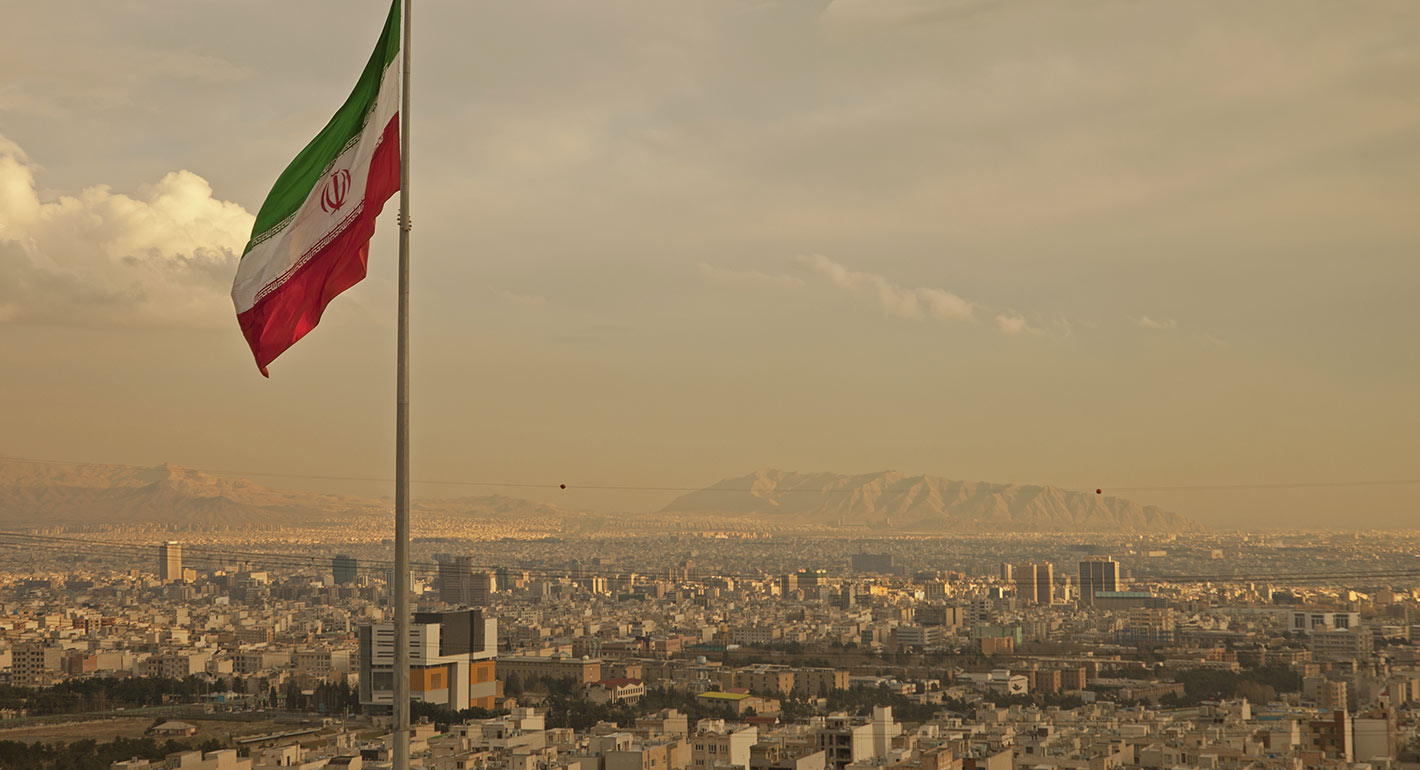
The United States, which currently holds the Financial Action Task Force presidency and wants to impose “unprecedented financial pressure” on Iran, almost certainly opposed the 2019 extension.
Source: Axios
On Oct. 19, the Financial Action Task Force (FATF), an intergovernmental organization that sets standards for countries to combat money laundering and terrorist financing, gave Iran an extension until February 2019 to implement its plan to address “strategic deficiencies” in these areas.
Why it matters: The U.S., which currently holds the FATF presidency and wants to impose “unprecedented financial pressure” on Iran, almost certainly opposed the extension. Washington’s inability to carry the debate demonstrates the diplomatic shortcomings of its unilateral approach to Iran.
The background: Iran was on FATF’s blacklist and subject to countermeasures that all but shut Iran off from licit international finance from 2008 through 2016. For much of that time, Iran’s only company was North Korea, though many of Iran’s shortcomings were more comparable to those of Pakistan, a country that moved on and off the much less effectual “gray list” over the same period.
In 2016, FATF gave Iran one year to implement an action plan to address terrorist financing, during which time they would stay on the blacklist but without countermeasures. FATF also gave Iran access to international bank transactions that were difficult and expensive, but not impossible.
That grace period has been extended repeatedly as Iran makes slow progress on its action plan. Most recently, the government won parliamentary approval for a new law to counter terrorist financing. But FATF will not complete its evaluation of the law until it is ratified by Iran’s top clerical council.
What’s next: Even if the new law is ratified, Iran will face deep skepticism from other FATF members, as it's thought unlikely to take steps — either in law or practice — that discourage providing financial support to long-time terrorist clients such as Hezbollah. The intense opposition FATF has encountered from Iranian hardliners does suggest, however, that the proposed reforms could have some real bite if implemented.
Reality check: After the Iran nuclear deal led to sanctions relief, Tehran realized that it needed FATF liberalization to foster business with Europe and elsewhere. But now that the U.S. is re-imposing sanctions, Iran will struggle to sustain trade regardless of what FATF does. Europe is offering political support and a modest trade channel if Iran continues to meet its nuclear deal obligations, but that support will be harder to sustain if Iran slips back into the FATF countermeasures category.
Former Senior Fellow, Geoeconomics and Strategy Program
Jarrett Blanc was a senior fellow in the Geoeconomics and Strategy Program at the Carnegie Endowment for International Peace.
Recent Work


Jarrett Blanc, Thomas de Waal, Karim Sadjadpour, …

Dan Baer, Rosa Balfour, Jarrett Blanc, …
Carnegie does not take institutional positions on public policy issues; the views represented herein are those of the author(s) and do not necessarily reflect the views of Carnegie, its staff, or its trustees.

Despite its flop at the box office, the film raises important questions for the climate community to answer.

Leonardo Martinez-Diaz

Funding Ukraine remains a priority for European leaders. As Russia’s war of aggression heads into another winter, two feasible options to mobilize support for Kyiv should be fast-tracked.


Vladyslav Rashkovan, Gregory P. Wilson

In an interview, Rozina Ali discusses her new book on the rise and manifestations of Islamophobia in the United States.

Michael Young

While the EU and European governments are embracing the much-lauded middle-power moment, this entails three difficult conundrums.

Richard Youngs

The middle power moment will not be defined by sovereign states alone, and California stands out for its potential contributions to international cooperation.


Ian Klaus, Stewart Patrick