

Q&A
Darshana M. Baruah, Satyendra Prasad, Denghua Zhang
{
  "authors": [
    "Darshana M. Baruah"
  ],
  "type": "legacyinthemedia",
  "centerAffiliationAll": "dc",
  "centers": [
    "Carnegie Endowment for International Peace",
    "Carnegie India"
  ],
  "collections": [],
  "englishNewsletterAll": "ctw",
  "nonEnglishNewsletterAll": "",
  "primaryCenter": "Carnegie India",
  "programAffiliation": "SAP",
  "programs": [
    "South Asia"
  ],
  "projects": [
    "Security Studies",
    "Indian Ocean Initiative"
  ],
  "regions": [
    "India",
    "Indo-Pacific",
    "France"
  ],
  "topics": [
    "Foreign Policy"
  ]
}
Source: Getty
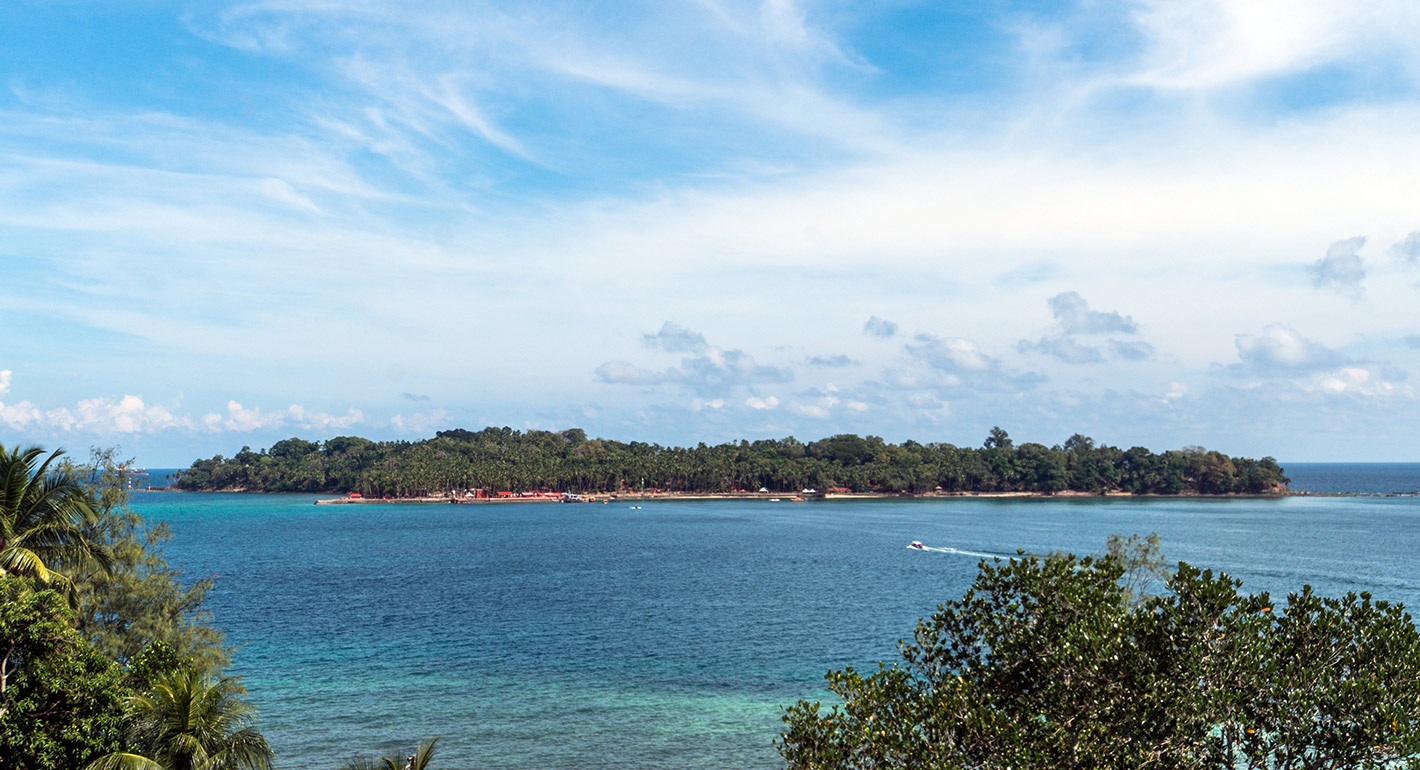
As countries debate an emerging security architecture in the Indo-Pacific, a key area is missing from the discussion: the role of islands. Much as they did in the past, islands will come to play a critical role in shaping the new order in the Indian Ocean region.
Source: War on the Rocks
Strategic islands played a key role in establishing the British empire’s dominance over the Indian Ocean region. Through a ring of bases and naval presence on islands, the British essentially controlled the entry points into this crucial area. In the east it had Singapore and the Andaman and Nicobar Islands, while Socotra and the port city of Aden provided access to the Red Sea and Bab-el Mandeb. With control of Sri Lanka, Maldives, Mauritius, the Seychelles and, briefly, Madagascar, the empire turned the Indian Ocean into a “British Lake.” To consolidate its presence along the coast of Africa, the British Empire fought bloody wars to take control of Kenya, Uganda, and the island of Zanzibar. With these islands and coastal territories, the empire projected its power across the region and dominated the key chokepoints and shipping lines between Asia, Africa, and Europe.
History has time and again highlighted the importance of islands in establishing naval dominance. In the 21st century, maritime affairs have returned to prominence on the geopolitical stage. As countries debate an emerging security architecture in the Indo-Pacific, a key area is missing from the discussion: the role of islands. Much as they did in the past, islands will come to play a critical role in shaping the new order in the Indian Ocean region.

Former Nonresident Scholar, South Asia Program
Darshana M. Baruah was a nonresident scholar with the South Asia Program at the Carnegie Endowment for International Peace where she directs the Indian Ocean Initiative.
Recent Work

Darshana M. Baruah, Satyendra Prasad, Denghua Zhang
Darshana M. Baruah
Carnegie does not take institutional positions on public policy issues; the views represented herein are those of the author(s) and do not necessarily reflect the views of Carnegie, its staff, or its trustees.

The EU can impose sanctions but struggles to enforce them without the United States. With Washington increasingly disinterested in backing European interests, the bloc must now fend for itself.


Nicu Popescu, Tiago Antunes

Global and rising powers will need to engage with Africa’s priorities and agency in order to secure the continent’s increasingly attractive partnerships.

Fonteh Akum

Rubio’s recent visit brought welcome attention, but more capital requires governance changes that may be a hard sell for regional governments.

Jennifer B. Murtazashvili

America’s foreign-policy objectives have grown more demanding while Americans have demanded greater focus on their own affairs.

Stephen Wertheim

Japan’s long-term security policy is driven by concerns about China, and there is little appetite for (or interest in) pursuing a confrontation with Moscow.

James D.J. Brown