

Commentary
Thomas Carothers, McKenzie Carrier
{
  "authors": [
    "Thomas Carothers"
  ],
  "type": "other",
  "centerAffiliationAll": "dc",
  "centers": [
    "Carnegie Endowment for International Peace"
  ],
  "collections": [
    "Democracy and Governance"
  ],
  "englishNewsletterAll": "democracy",
  "nonEnglishNewsletterAll": "",
  "primaryCenter": "Carnegie Endowment for International Peace",
  "programAffiliation": "DCG",
  "programs": [
    "Democracy, Conflict, and Governance"
  ],
  "projects": [],
  "regions": [
    "Eastern Europe",
    "Western Europe"
  ],
  "topics": [
    "Democracy"
  ]
}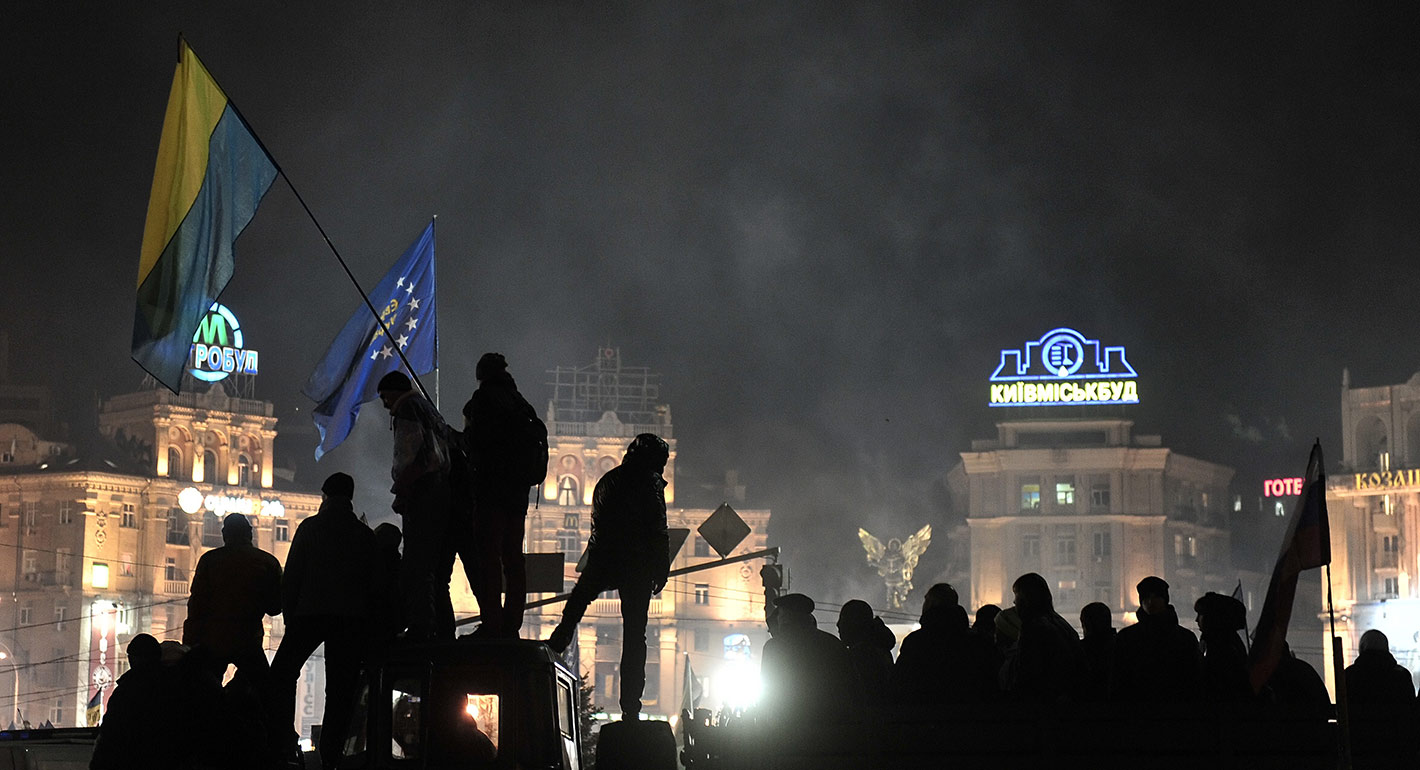
Source: Getty
Sheri Berman’s substantial new history of democracy in Europe offers useful insights on the question of why democracy sometimes succeeds but often does not. Yet Western democracies are now experiencing tectonic shifts, and history offers only a limited guide to understanding their future.
Source: Foreign Affairs
Democracy’s global travails continue to mount. What looked as recently as a decade ago to be real democratic progress in countries as diverse as Brazil, Hungary, South Africa, and Turkey has been either reversed by illiberal strongmen or unsettled by revelations of systemic corruption. Some of the most stirring recent political openings, such as those in Egypt and Myanmar, have slammed shut. The United States and several long-standing democracies in western Europe are struggling with serious democratic challenges, especially the rise of illiberal populist forces. And the two most significant nondemocratic powers, China and Russia, are strutting on the global stage.
This book review was originally published in the May/June edition of Foreign Affairs.

Harvey V. Fineberg Chair for Democracy Studies; Director, Democracy, Conflict, and Governance Program
Thomas Carothers, director of the Carnegie Endowment for International Peace’s Democracy, Conflict, and Governance Program, is a leading expert on comparative democratization and international support for democracy.
Recent Work

Thomas Carothers, McKenzie Carrier
Thomas Carothers, McKenzie Carrier
Carnegie does not take institutional positions on public policy issues; the views represented herein are those of the author(s) and do not necessarily reflect the views of Carnegie, its staff, or its trustees.
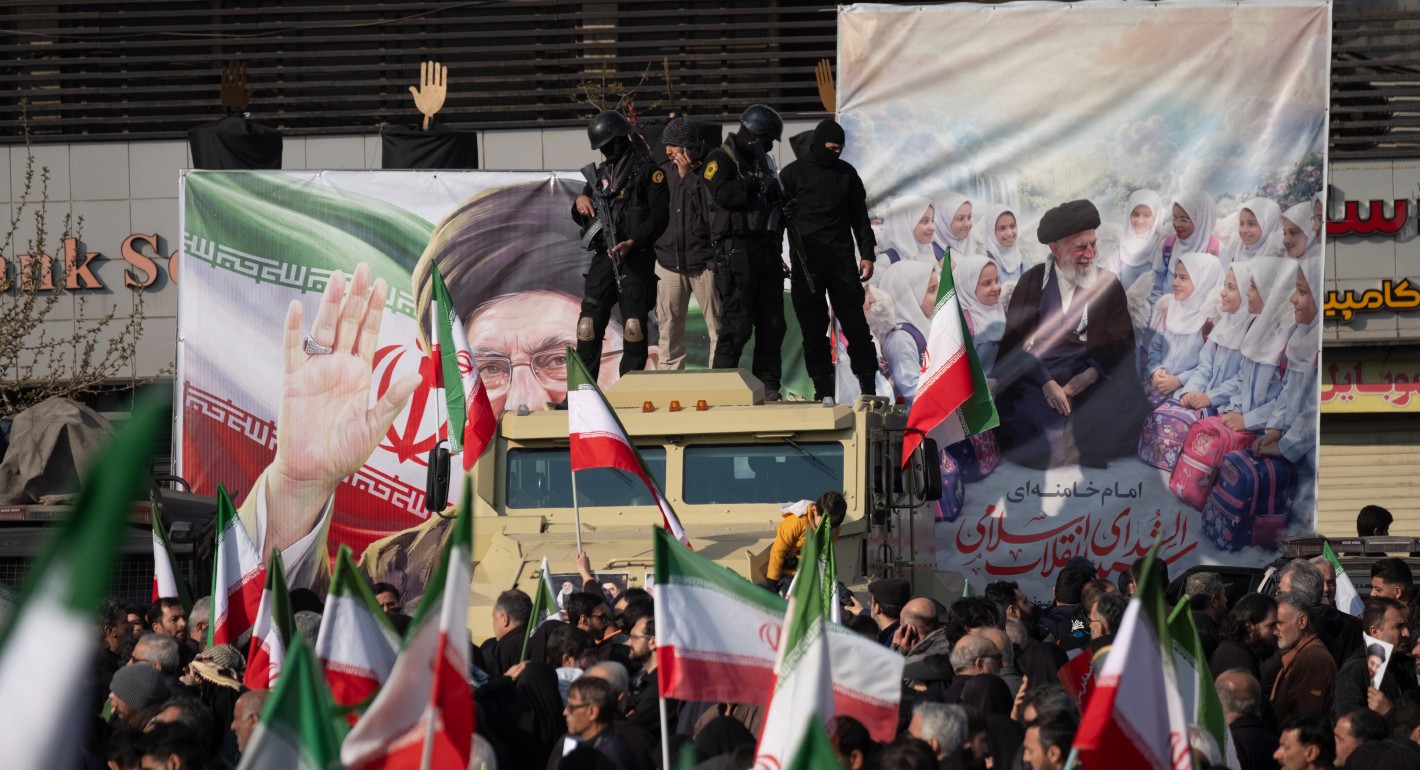
The recent record of citizen uprisings in autocracies spells caution for the hope that a new wave of Iranian protests may break the regime’s hold on power.
Thomas Carothers, McKenzie Carrier
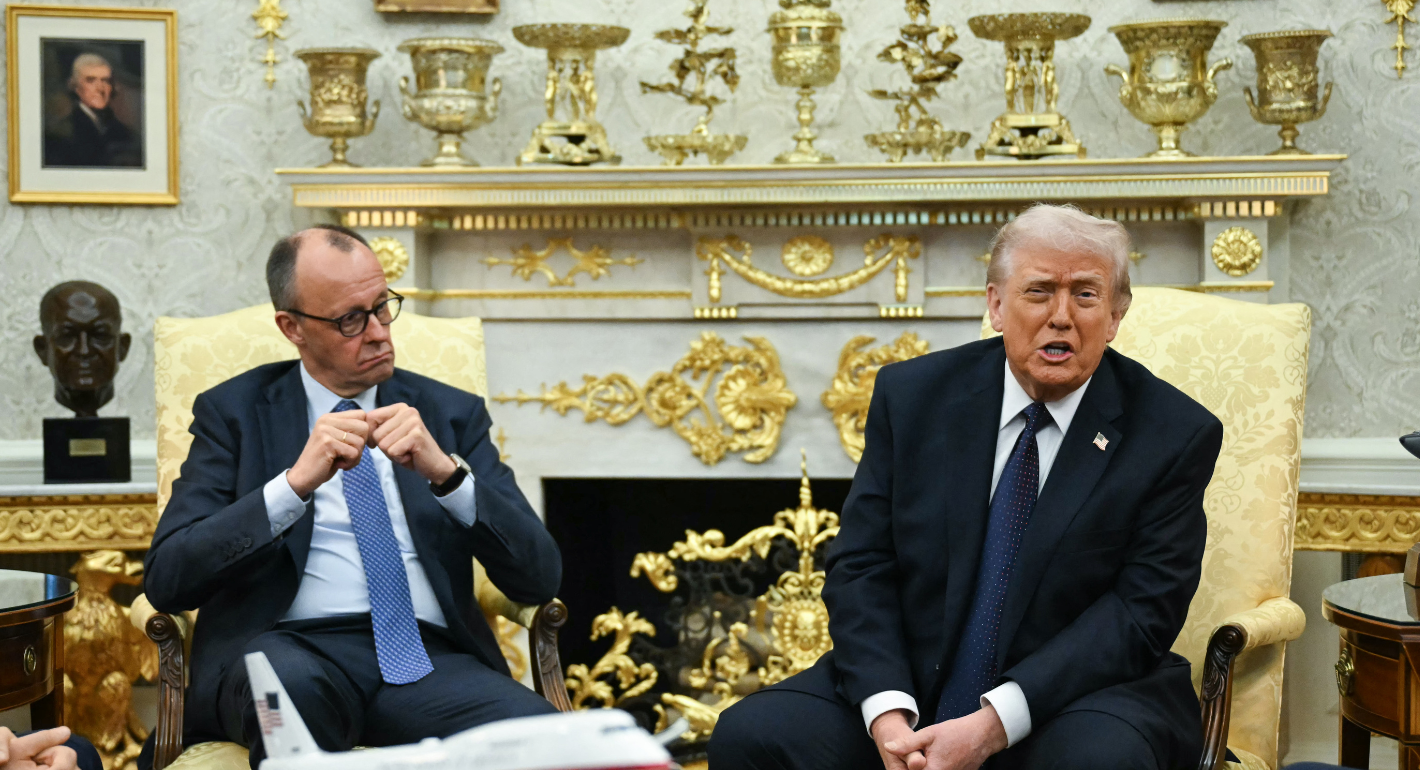
European reactions to the war in Iran have lost sight of wider political dynamics. The EU must position itself for the next phase of the crisis without giving up on its principles.

Richard Youngs

Internet service providers can facilitate internet access but also draconian control.
Irene Poetranto
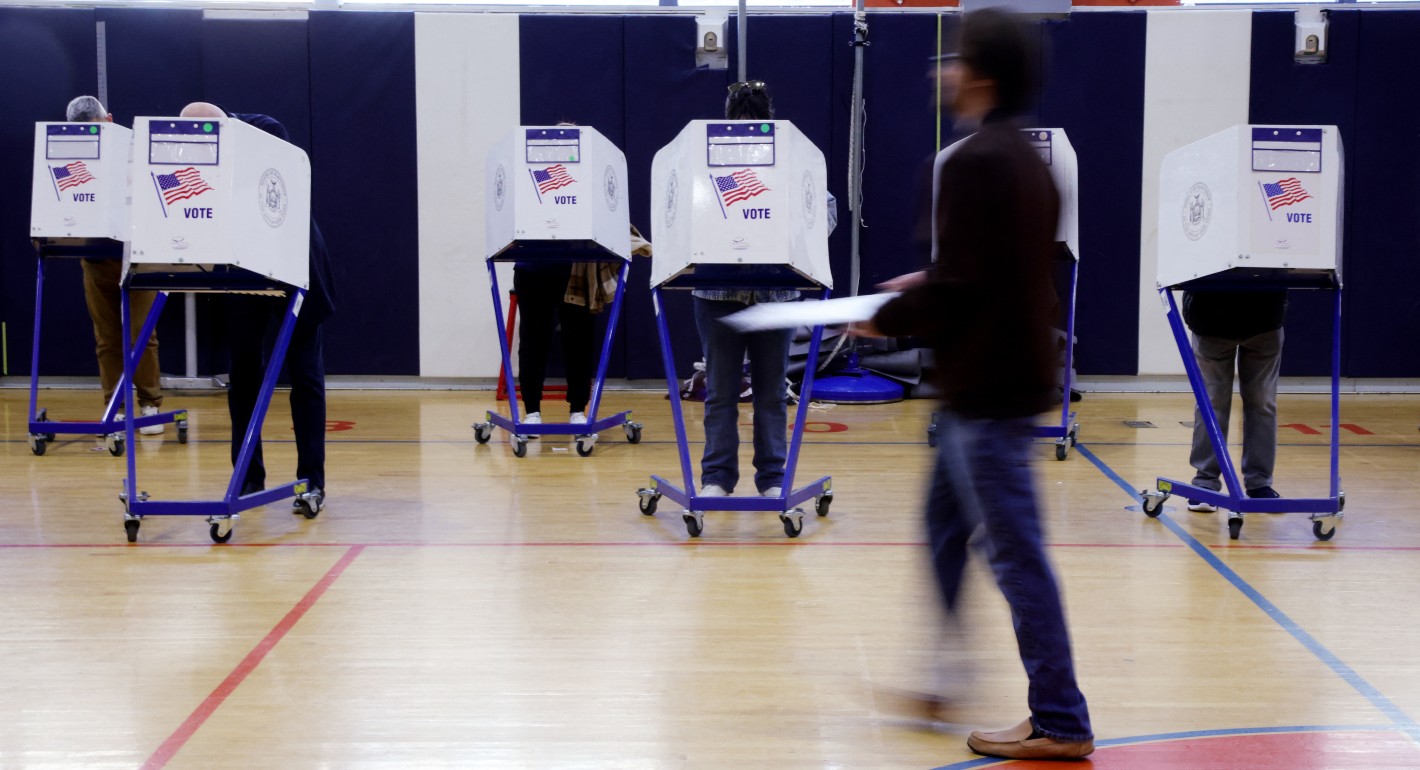
New data from the 2026 Indian American Attitudes Survey show that Democratic support has not fully rebounded from 2020.

Sumitra Badrinathan, Devesh Kapur, Andy Robaina, …

New thinking is needed on how global civil society can be protected. In an era of major-power rivalry, competitive geopolitics, and security primacy, civil society is in danger of getting squeezed – in some countries, almost entirely out of existence.

Richard Youngs, ed., Elene Panchulidze, ed.