

Commentary
The conflict is exposing the deep energy vulnerabilities of Korea’s chip industry.
Darcie Draudt-Véjares, Tim Sahay
{
  "authors": [
    "Olga Burlyuk",
    "Balázs Jarábik",
    "Denys Kiryukhin",
    "Konstantin Skorkin"
  ],
  "type": "commentary",
  "centerAffiliationAll": "",
  "centers": [
    "Carnegie Endowment for International Peace",
    "Carnegie Europe",
    "Carnegie Russia Eurasia Center"
  ],
  "collections": [],
  "englishNewsletterAll": "",
  "nonEnglishNewsletterAll": "",
  "primaryCenter": "Carnegie Endowment for International Peace",
  "programAffiliation": "",
  "programs": [],
  "projects": [],
  "regions": [
    "Eastern Europe",
    "Ukraine",
    "Europe"
  ],
  "topics": [
    "Political Reform",
    "Foreign Policy"
  ]
}
Source: Getty
On April 21, Volodymyr Zelenskiy, best known starring in a political television drama, scored a dramatic victory over incumbent Petro Poroshenko to become president of Ukraine. Four experts on Ukraine give their verdict.
We could call the past few months in Ukraine’s political life a case of reality turning into farce, or of farce becoming reality.
While foreign observers are caught between amusement and amazement, Ukrainians are divided between those who consider Zelenskiy to be a savior and those who dismiss him as a phony.
Ukraine has seen a new kind of political game in this election. There was all-out disinformation from both camps, and presidential debates became a carnival in Kyiv’s Olympic stadium. The lead candidate hid from the press and rationed information on his policy positions and team picks. Even the best-informed experts are unsure of Zelenskiy’s position on four fundamental issues: Ukraine’s state sovereignty, national identity, economic viability, and social cohesion.
The next few days and weeks will be telling. It will be up to Ukraine’s civil society to stick together and work tirelessly for incremental change, not thanks to, but despite those in power, as a Ukrainian saying goes.
Volodymyr Zelenskiy`s overwhelming victory is a counterrevolution against the capture, abuse and betrayal of the ideals of the Maidan movement of 2013-14 by Petro Poroshenko, a quintessential representative of the old oligarchical system. According to public opinion polls, the vast majority of Ukrainians wants radical change and peace in Donbas. This is why they voted against the current government and for Zelenskiy.
Zelenskiy has proven himself to be a master of disruption. Having won fame as the creator of a television reality show, he has now managed to build a national virtual reality show in which every Ukrainian plays a role. The election results give him a strong mandate to change Ukraine’s policy direction. He will try to freeze the war in Donbas, ease Russian language restrictions (but continue to promote the Ukrainian language), stand behind Western integration and try to build a state less preoccupied by ideology and more focused on offering people efficient services.
But Zelenskiy`s window of opportunity is small. His first test will be to address his ties to the notorious oligarch Ihor Kolomoyskiy, whose PrivatBank was nationalized after the oligarch allegedly emptied it. He will also need a functioning ruling coalition in the parliament to make policy. This means his primary focus will be the parliamentary elections, currently scheduled for October. The battle for the future of Ukraine will resume on the first the day after the election.
Volodymyr Zelenskiy’s victory shows the high level of anti-elite attitudes in Ukrainian society. A sharp drop in living standards, combined with disappointment that the second Maidan revolution of 2014 caused no fundamental changes in the system of government, contributed to the result. Voters were offered two options. They could choose Poroshenko, a representative of the elite, or vote for Zelenskiy. Voting for Zelenskiy was, in a way, an attempt to scrub the entire current political elite from Ukrainian politics. His victory is largely the continuation of the mood of protest that brought people out on to the streets in 2004 and 2013-2014.
The election of a presidential candidate with no political experience, no intelligible program of action, and no well-coordinated team, brings risks and opportunities. The risk is that, as has repeatedly happened in recent Ukrainian history, a change of power will just turn out to be a castling move inside the elite.
One more thought: the interest being shown to Zelenskiy in countries such as Russia or Belarus suggests that his victory might be a potential trigger for political change elsewhere.
Zelenskiy’s victory is a sign of a breakdown of Ukrainians’ trust in the elite. They heard pro-European rhetoric that contrasted with their everyday experience of corruption. Zelenskiy received votes from all across Ukraine. This mandate gives him carte blanche to carry out reforms and purge the state apparatus.
A great deal will now depend on what team he forms. If he manages to bring professionals on board that will compensate for his lack of personal experience.
In any case, President Zelenskiy has a difficult year ahead of him. The public will expect quick results, and he faces parliamentary elections in October, in which his opponents will try to take revenge. The West is skeptical towards him thus far, while Moscow is sizing him up and working out how it can outmaneuver a political novice. His supporters are a varied bunch. Some of his electors believe that Ukraine needs to make peace with Russia, while others want to continue to pursue Euro-integration. He will have to reconcile these two different vectors.
Zelenskiy will also have to stand up to pressure from oligarchs, Ihor Kolomoyskiy first of all, who will see Poroshenko’s departure as a signal for them to restore their power in the country. The accusations that dogged Zelenskiy during the election – that he was dependent upon oligarchs – will damage him if he shows the slightest inconsistency. He will also have to withstand an onslaught from the corrupt state apparatus, who will try to discredit him and remove him from office if he actually begins radical reforms.
Olga Burlyuk
Olga Burlyuk is an FWO postdoctoral fellow at the Centre for EU Studies at Ghent University, Belgium.

Political analyst, former Slovak diplomat, and consultant specializing in Eastern Europe
Denys Kiryukhin

Konstantin Skorkin
An independent journalist.
Carnegie does not take institutional positions on public policy issues; the views represented herein are those of the author(s) and do not necessarily reflect the views of Carnegie, its staff, or its trustees.
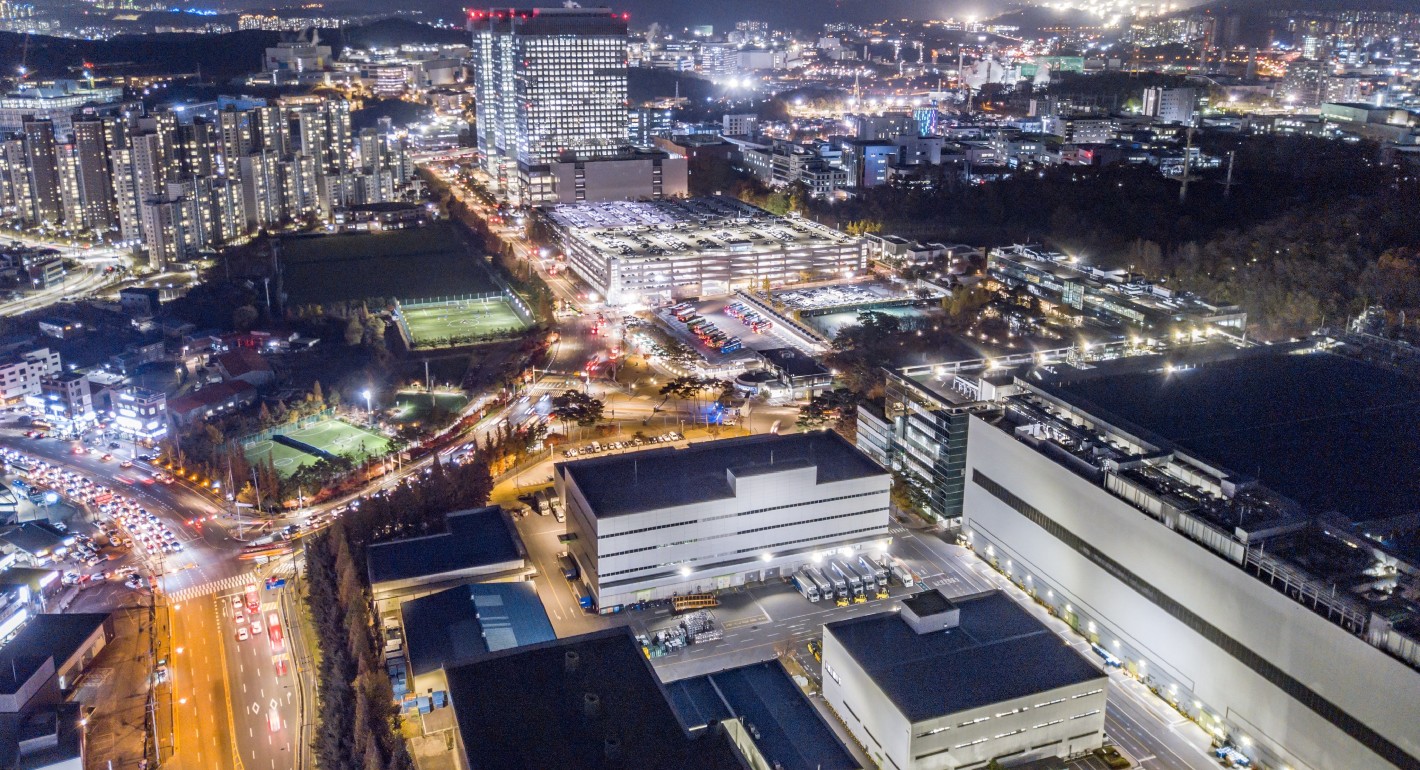
The conflict is exposing the deep energy vulnerabilities of Korea’s chip industry.

Darcie Draudt-Véjares, Tim Sahay
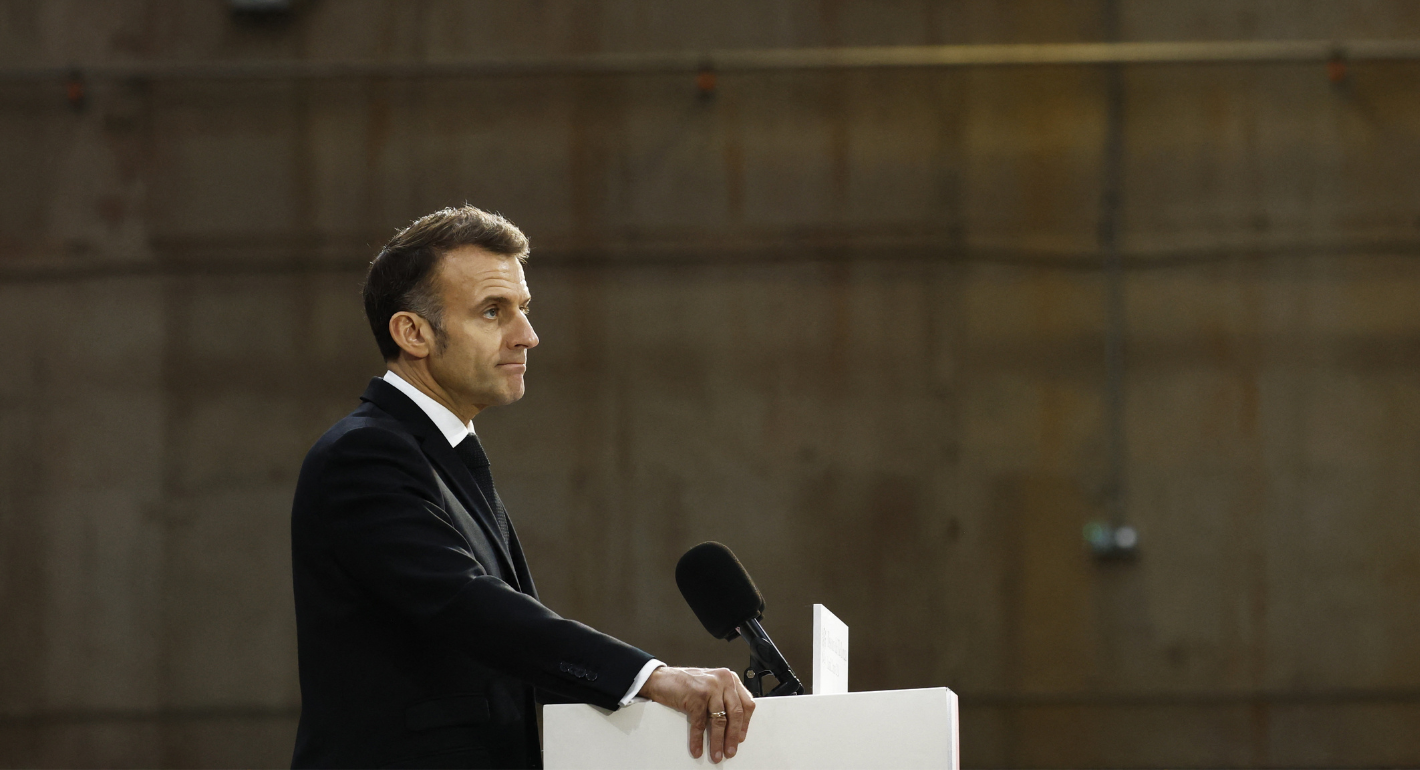
French President Emmanuel Macron has unveiled his country’s new nuclear doctrine. Are the changes he has made enough to reassure France’s European partners in the current geopolitical context?

Rym Momtaz, ed.
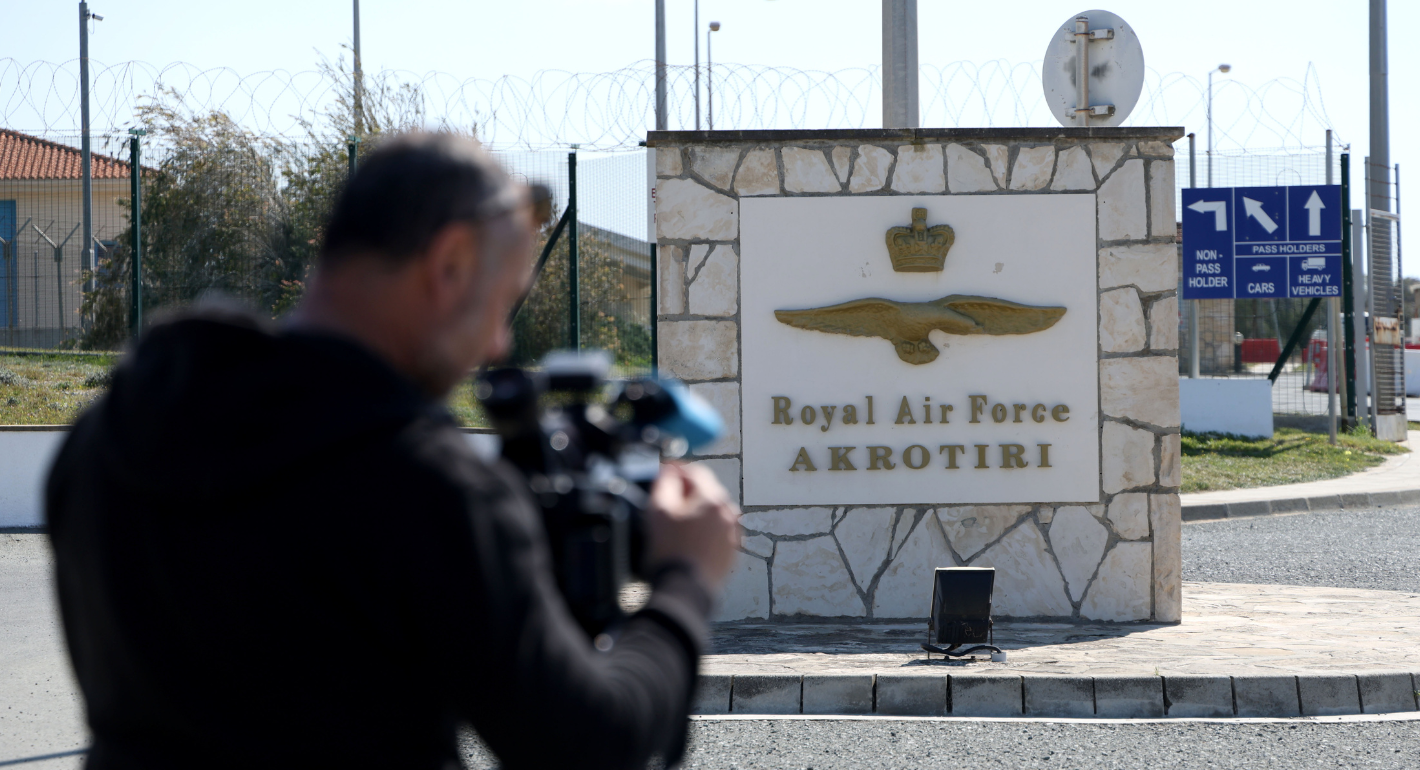
The drone strike on the British air base in Akrotiri brings Europe’s proximity to the conflict in Iran into sharp relief. In the fog of war, old tensions in the Eastern Mediterranean risk being reignited, and regional stakeholders must avoid escalation.

Marc Pierini
Domestic mobilization, personalized leadership, and nationalism have reshaped India’s global behavior.
Sandra Destradi
European reactions to the war in Iran have lost sight of wider political dynamics. The EU must position itself for the next phase of the crisis without giving up on its principles.

Richard Youngs