

Paper
To remain effective, organizations need to master new media and legitimacy markers to make a once-in-a-century shift.
Renée DiResta, Rachel Kleinfeld, Margot Treadwell
{
  "authors": [
    "Richard Sokolsky",
    "Steven Simon"
  ],
  "type": "legacyinthemedia",
  "centerAffiliationAll": "",
  "centers": [
    "Carnegie Endowment for International Peace",
    "Malcolm H. Kerr Carnegie Middle East Center"
  ],
  "collections": [],
  "englishNewsletterAll": "",
  "nonEnglishNewsletterAll": "",
  "primaryCenter": "Carnegie Endowment for International Peace",
  "programAffiliation": "",
  "programs": [],
  "projects": [],
  "regions": [
    "North America",
    "United States",
    "Middle East",
    "Iran"
  ],
  "topics": [
    "Political Reform",
    "Security",
    "Foreign Policy"
  ]
}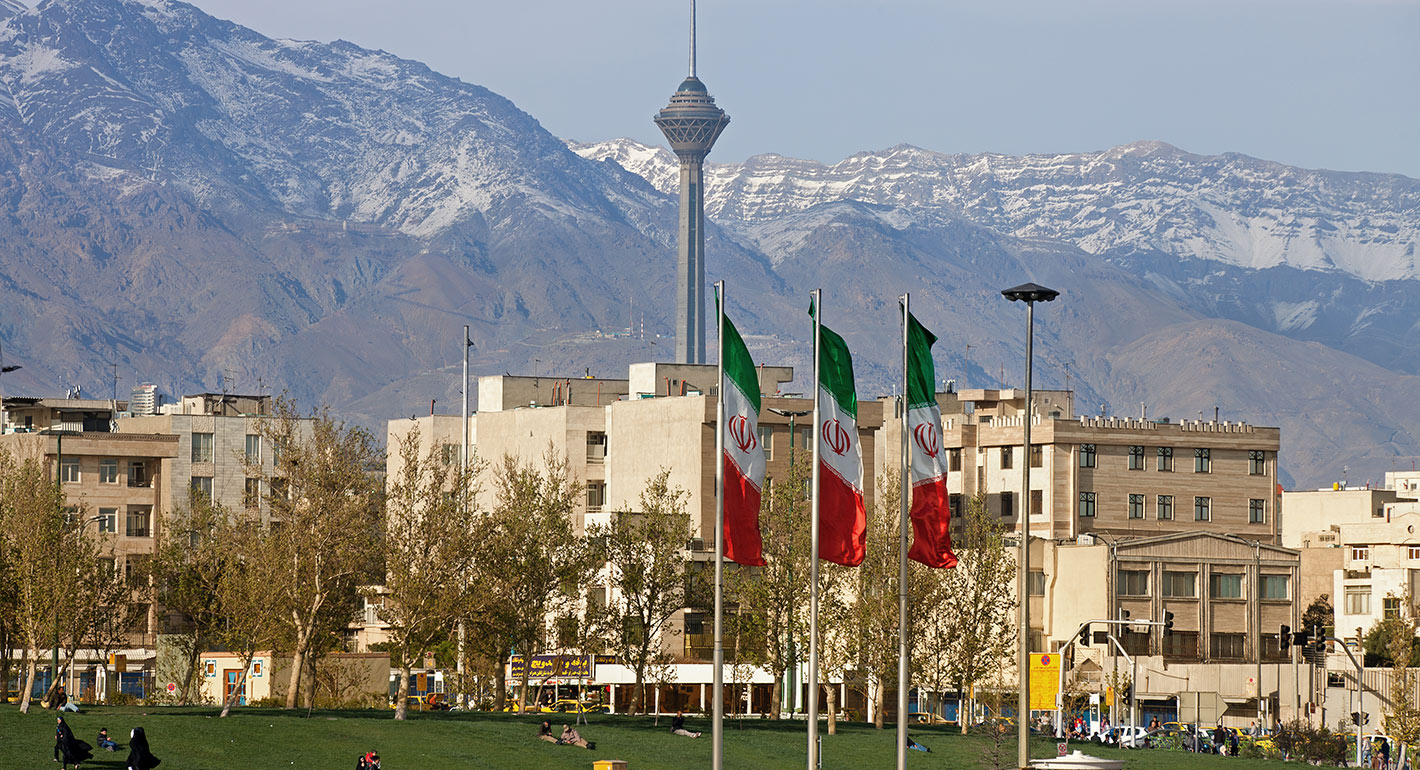
Source: Getty
There is one thing that the war avoiders and the warmongers should be able to agree on: the need to prevent an accidental or unintended conflict between the United States and Iran.
Source: Foreign Policy
White House spin notwithstanding, it has become increasingly clear in recent days that the Trump administration is divided over the objectives of its Iran policy and the role that military threats or force should play in achieving them. The national security advisor and secretary of state seem to be spoiling for a fight and baiting Tehran into taking an action that would provide a pretext for a military strike. But the president keeps saying he wants to talk to the Iranians and get them back to the negotiating table to cut a better nuclear deal and to force Iranian concessions on its regional behavior and ballistic missile program. The secretary of defense and chairman of the Joint Chiefs of Staff, meanwhile, seem worried that the United States is on a path toward war with Iran and skeptical that additional U.S. deployments to the Persian Gulf are warranted.
As with most foreign-policy issues, it’s hard to know exactly what the policy is and who’s in charge. It is possible, of course, that all the chest-thumping and force movements within the past week are designed to either deter Iranian provocations or pressure the country into capitulating to U.S. demands.
Whatever the administration actually wants, there is one thing that the war avoiders and the warmongers should be able to agree on: the need to prevent an accidental or unintended conflict between the United States and Iran. But the administration’s actions are increasing rather than lowering the risks that the two countries will stumble into a conflict as a result of a miscalculation, misunderstanding, or miscommunication. And that is extremely dangerous since Iran and the United States have no channels for direct and regular communication or mechanisms to defuse a crisis or control escalation once an incident occurs....

Nonresident Senior Fellow, Russia and Eurasia Program
Richard Sokolsky is a nonresident senior fellow in Carnegie’s Russia and Eurasia Program. His work focuses on U.S. policy toward Russia in the wake of the Ukraine crisis.
Steven Simon
Steven Simon is visiting professor of history at Amherst College. He served on the NSC and in the State Department in five administrations and is co-author of "The Age of Sacred Terror."
Carnegie does not take institutional positions on public policy issues; the views represented herein are those of the author(s) and do not necessarily reflect the views of Carnegie, its staff, or its trustees.

To remain effective, organizations need to master new media and legitimacy markers to make a once-in-a-century shift.

Renée DiResta, Rachel Kleinfeld, Margot Treadwell

Congress needs to step up and make EXIM a low-carbon financing powerhouse.
Jesse Young
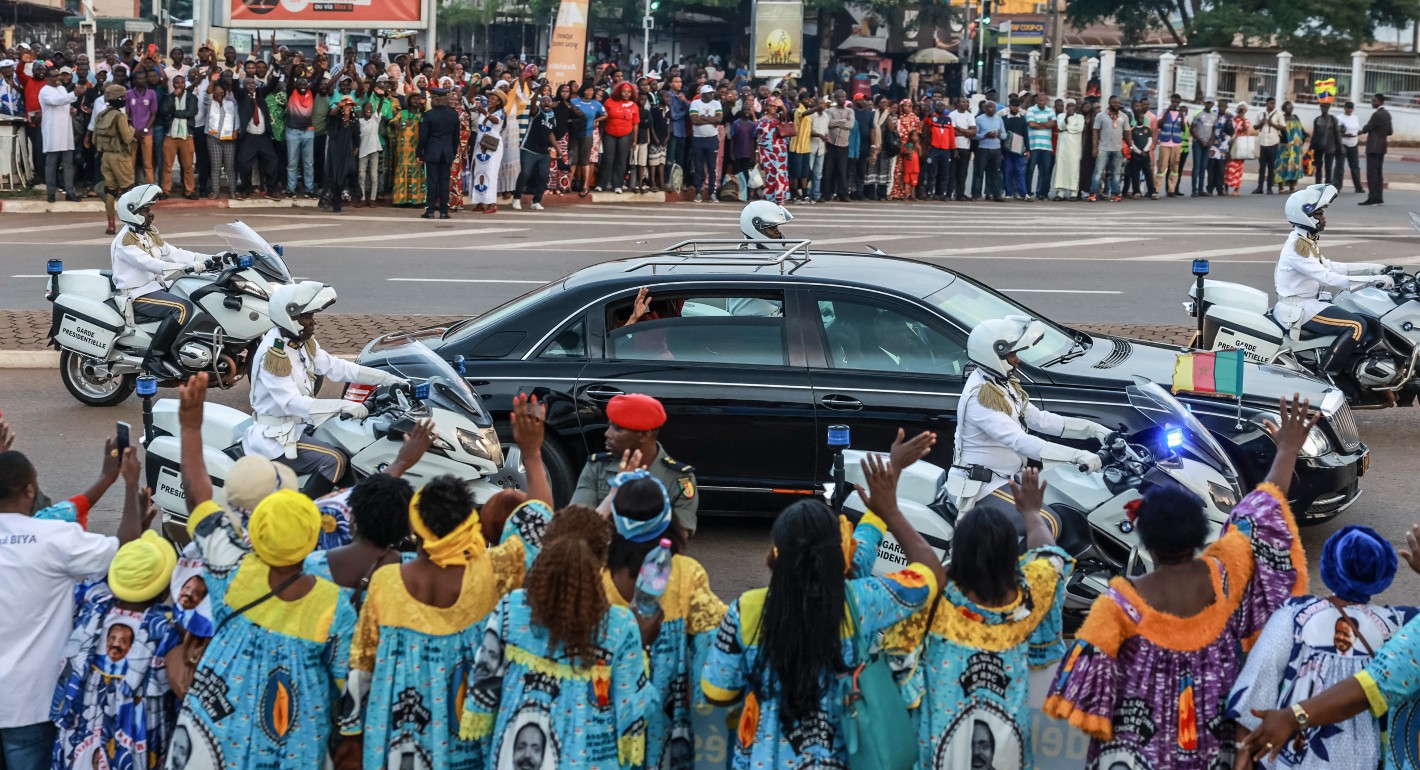
The ninety-three-year-old Biya’s absence and refusal to name a vice president threaten to upend domestic and regional stability.

Lesley Anne Warner

With the growth in points of friction between the great powers, organizations like the SCO will continue to play a role in the strategic adaptation of the smaller powers caught between them.

Temur Umarov

Amid celebrations of bilateral ties was a deeper focus on stability in the Middle East.

Amr Hamzawy