

Research
- +8
William J. Burns, Michael Chertoff, Catherine Ashton, …
{
  "authors": [
    "William J. Burns"
  ],
  "type": "legacyinthemedia",
  "centerAffiliationAll": "",
  "centers": [
    "Carnegie Endowment for International Peace"
  ],
  "collections": [],
  "englishNewsletterAll": "",
  "nonEnglishNewsletterAll": "",
  "primaryCenter": "Carnegie Endowment for International Peace",
  "programAffiliation": "",
  "programs": [],
  "projects": [],
  "regions": [
    "North America",
    "United States"
  ],
  "topics": [
    "Political Reform",
    "Foreign Policy"
  ]
}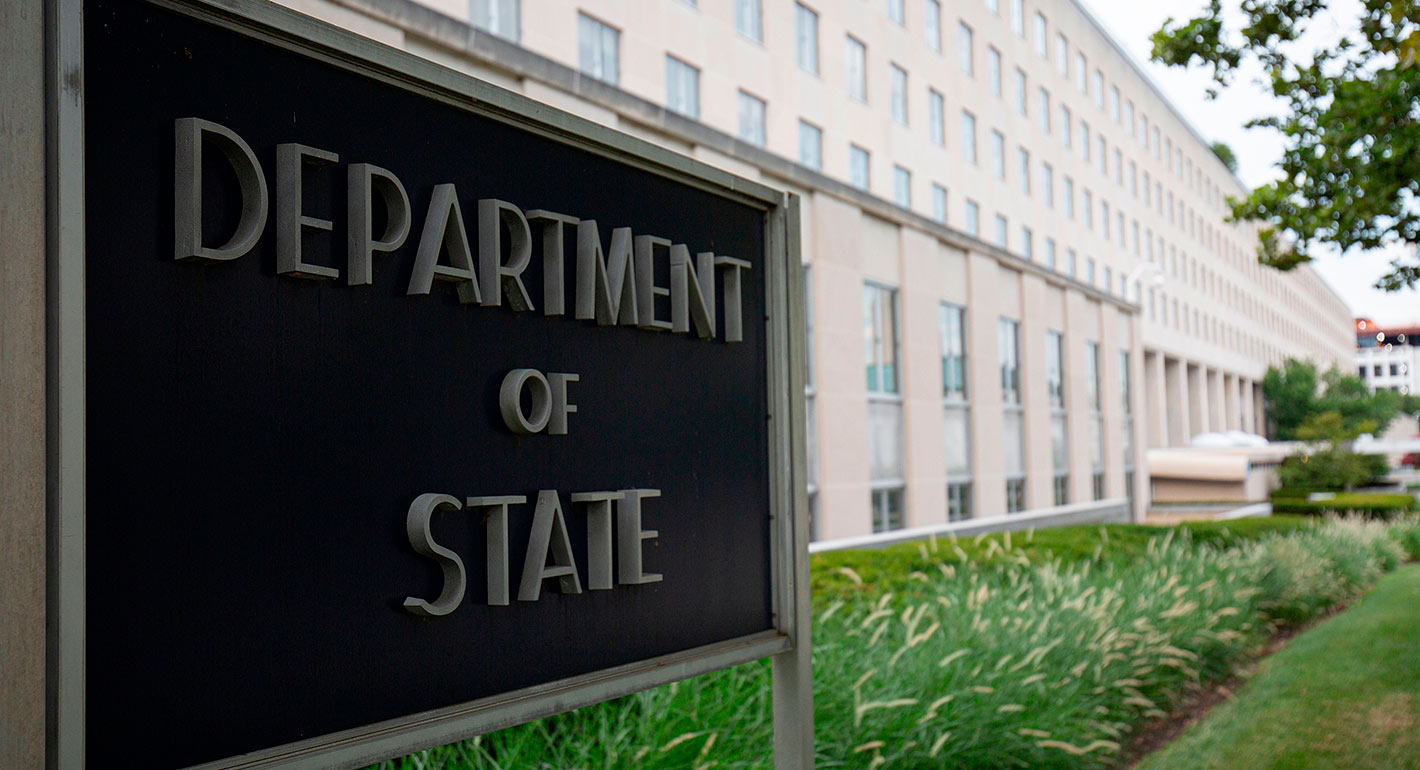
Source: Getty
There may never have been an attack on diplomacy as damaging, to both the State Department as an institution and U.S. international influence, as the one underway today.
Source: Foreign Affairs
In my three and a half decades as a U.S. Foreign Service officer, proudly serving five presidents and ten secretaries of state from both parties, I’ve never seen an attack on diplomacy as damaging, to both the State Department as an institution and our international influence, as the one now underway.
The contemptible mistreatment of Marie Yovanovitch—the ambassador to Ukraine who was dismissed for getting in the way of the president’s scheme to solicit foreign interference in U.S. elections—is just the latest example of President Donald Trump’s dangerous brand of diplomatic malpractice. His is a diplomacy of narcissism, bent on advancing private interests at the expense of our national interests.
Ambassador Yovanovitch is not the first professional diplomat to find herself in political crosshairs in the history of the State Department. Trump is not the first demagogue to bully career personnel. And Secretary of State Mike Pompeo is not the first secretary of state derelict in his duty. But the damage from this assault—coming from within the executive branch itself, after nearly three years of unceasing diplomatic self-sabotage, and at a particularly fragile geopolitical moment—will likely prove to be even more severe to both diplomatic tradecraft and U.S. foreign policy....
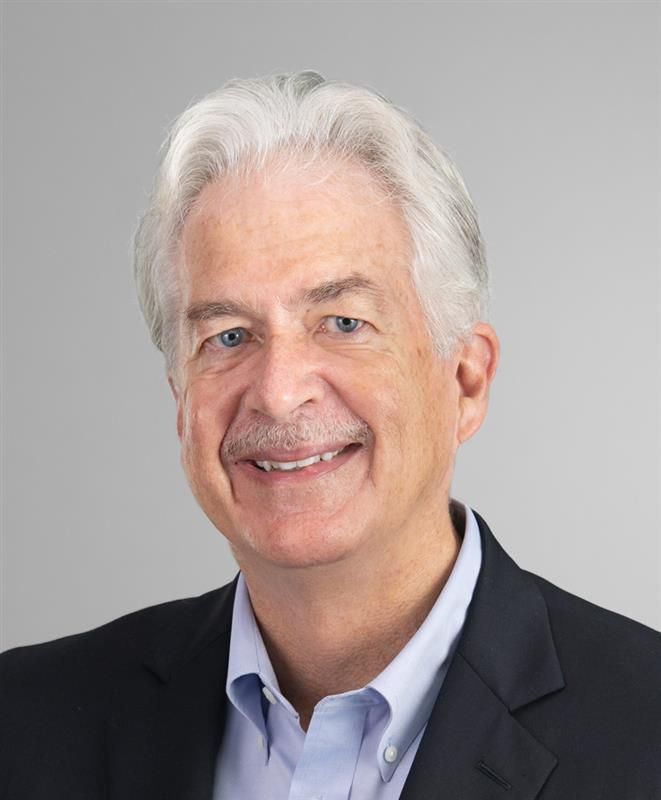
Former Carnegie President (2015-2021)
A former career diplomat, William J. Burns served as director of the CIA, deputy secretary of State, and ambassador to Russia and Jordan. Burns was also president of the Carnegie Endowment for International Peace from 2015 to 2021.
Recent Work
William J. Burns, Michael Chertoff, Catherine Ashton, …
William J. Burns
Carnegie does not take institutional positions on public policy issues; the views represented herein are those of the author(s) and do not necessarily reflect the views of Carnegie, its staff, or its trustees.
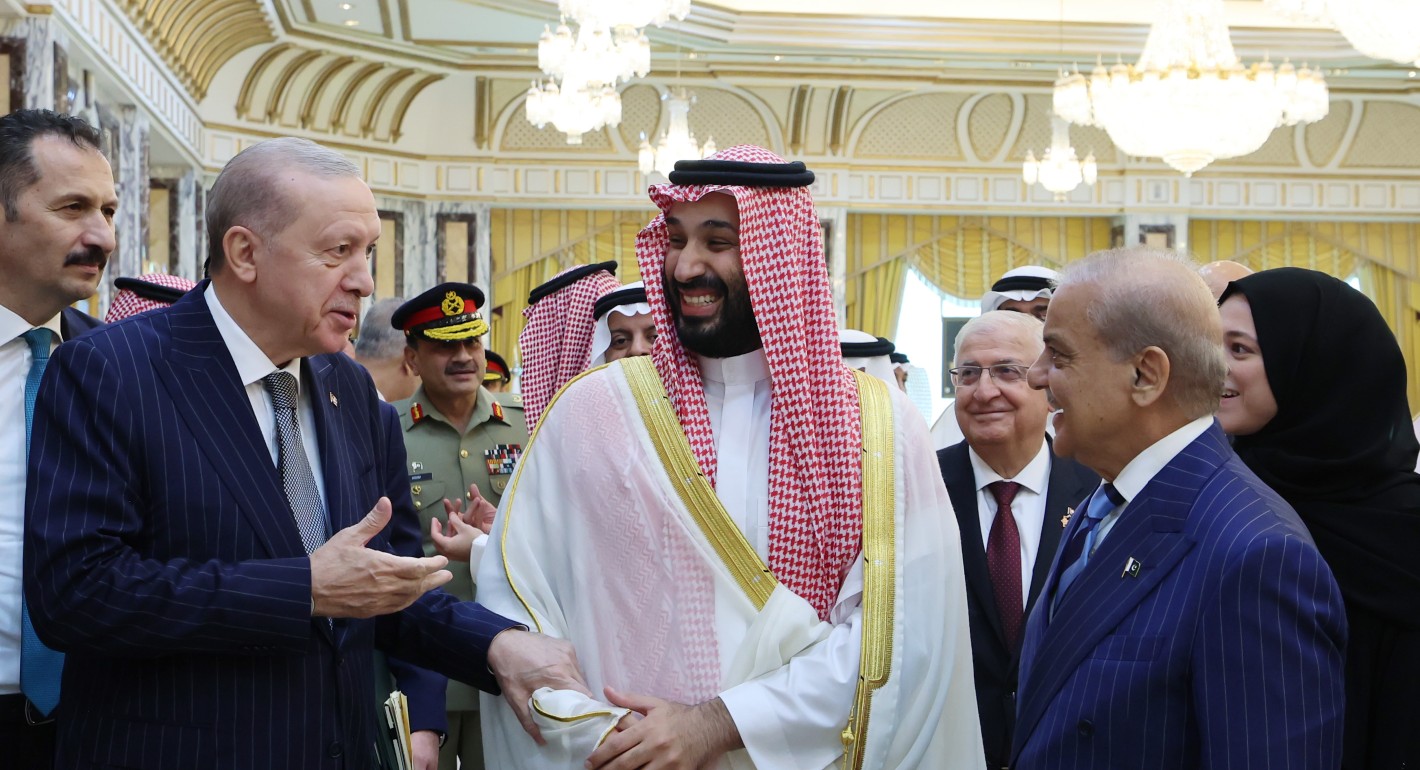
Why Pakistan, Saudi Arabia, and Turkey are joining forces on regional security.


Alper Coşkun, Amr Hamzawy

Despite public disputes over trade and immigration, the strategic partnership’s foundations remain sturdy.

Sameer Lalwani

It signals a new era of tech diffusion and warfare.

Steve Feldstein

With its public finances in shambles, the far right polling at 35 percent ahead of the 2027 presidential election, and a growing protest movement, is France’s crisis a threat to the EU’s geopolitical awakening?

Rym Momtaz, ed.

Putin’s conservative staffing policies and search for ever greater control have cemented parliament’s transformation into a bureaucratic appendage of the executive branch.

Andrey Pertsev