

Paper
The nuclear relationship between China and the United States is increasingly shaped by widening perception gaps rather than deliberate strategic design.
Tong Zhao
{
  "authors": [
    "Togzhan Kassenova",
    "Lucas Perez Florentino",
    "Matias Spektor"
  ],
  "type": "other",
  "centerAffiliationAll": "dc",
  "centers": [
    "Carnegie Endowment for International Peace"
  ],
  "collections": [],
  "englishNewsletterAll": "ctw",
  "nonEnglishNewsletterAll": "",
  "primaryCenter": "Carnegie Endowment for International Peace",
  "programAffiliation": "NPP",
  "programs": [
    "Nuclear Policy"
  ],
  "projects": [],
  "regions": [
    "North America",
    "South America"
  ],
  "topics": [
    "Nuclear Policy",
    "Nuclear Energy"
  ]
}
Source: Getty
Brazil’s nuclear policy is at a critical juncture. Efforts to reform the sector’s governance will have serious implications for nuclear safety and security, the private sector, civilian-military relations, policy accountability, and the future prospects of Brazil’s nuclear capabilities.
Source: FGV School of International Relations
Brazil’s nuclear policy is at a critical juncture. As existing capabilities expand, successive administrations have in recent years engaged in a multi-stakeholder process to reform the rules and institutions governing the sector. The outcome will have serious implications for nuclear safety and security, the private sector, civilian-military relations, policy accountability, and the future prospects of Brazil’s nuclear capabilities. This is the first attempt to our knowledge to systematically and independently assess the status of these profound transformations, through in-depth consultations across the board.
The full report was originally published by the FGV School of International Relations.

Former Nonresident Fellow, Nuclear Policy Program
Kassenova was a nonresident fellow in the Nuclear Policy Program at the Carnegie Endowment.
Lucas Perez Florentino

Former Nonresident Scholar, Sustainability, Climate, and Geopolitics Program
Matias Spektor was a nonresident scholar affiliated with the Sustainability, Climate, and Geopolitics Program at the Carnegie Endowment for International Peace.
Carnegie does not take institutional positions on public policy issues; the views represented herein are those of the author(s) and do not necessarily reflect the views of Carnegie, its staff, or its trustees.

The nuclear relationship between China and the United States is increasingly shaped by widening perception gaps rather than deliberate strategic design.

Tong Zhao
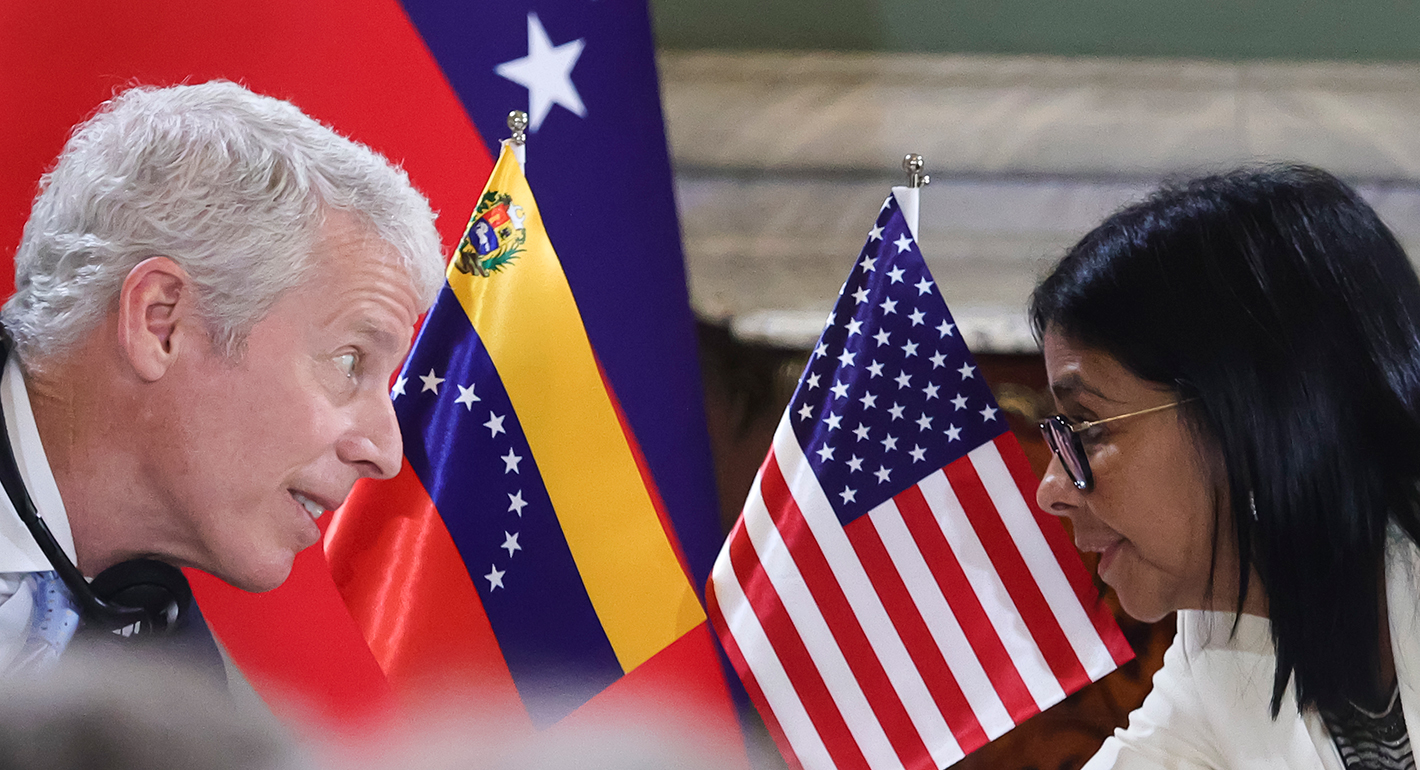
Washington needs to recognize that influence in the Western Hemisphere comes from presence, delivery, and reliability. It also must recognize that while the United States remains the key external actor, it no longer operates in a permissive environment and cannot presume deference from regional players who have other options, namely China.
Juan S. Gonzalez

A look at why states without nuclear weapons are seeking naval nuclear propulsion, whether they can legally and technically deliver it, what it will cost them, and what responsible stewardship of the capability would look like.

Jamie Kwong
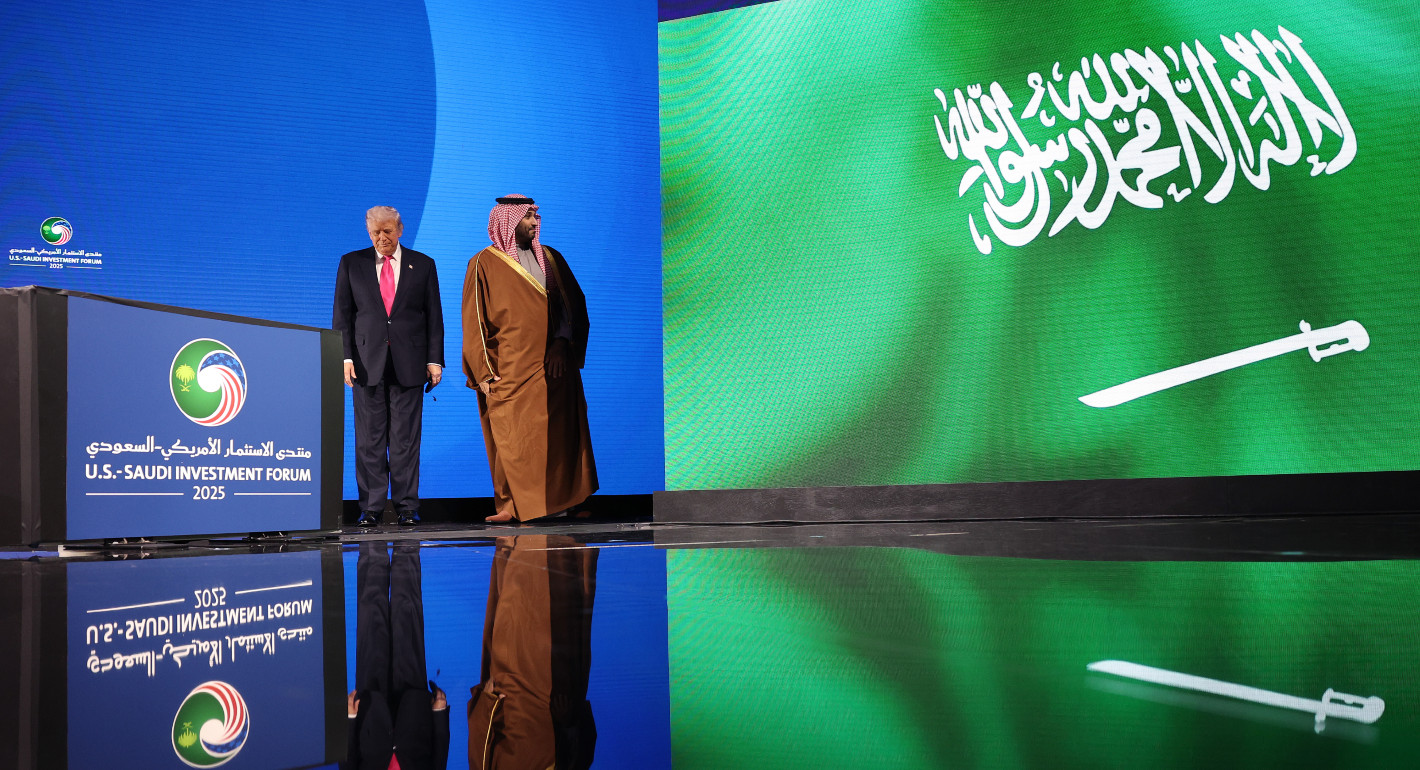
Congress should ask tough questions about the agreement’s more unique features and whether they advance U.S. interests or compromise them.

Jane Darby Menton

By focusing only on hard security, the Shield ignores the conditions that fuel cartel power.


Alejandro Martin Rodriguez, Kayly Ober