• Research
  • Emissary
  • About
  • Experts
Carnegie Global logoCarnegie lettermark logo
Democracy
  • Donate
{
  "authors": [
    "Tong Zhao"
  ],
  "type": "other",
  "centerAffiliationAll": "",
  "centers": [
    "Carnegie Endowment for International Peace",
    "Carnegie China"
  ],
  "collections": [],
  "englishNewsletterAll": "",
  "nonEnglishNewsletterAll": "",
  "primaryCenter": "Carnegie China",
  "programAffiliation": "",
  "programs": [],
  "projects": [],
  "regions": [],
  "topics": [
    "Arms Control",
    "Security"
  ]
}

Source: Getty

Other
Carnegie China

What the Five Nuclear Weapon States Can Do to Contain Nuclear Risks

The international debate about nuclear risk has catalogued many different kinds of risk and danger. But two stand out as especially salient: the risk of the nuclear arms race and the risk of employment of nuclear weapons arising out of a conventional conflict.

Link Copied
By Tong Zhao
Published on May 22, 2020

Source: Center for Global Security Research, Lawrence Livermore National Laboratory

The international debate about nuclear risk has catalogued many different kinds of risk and danger. But two stand out as especially salient: the risk of the nuclear arms race and the risk of employment of nuclear weapons arising out of a conventional conflict. The five nuclear weapon states (NWS) have a special responsibility to contain these risks. They also have a responsibility to try to manage the risk posed by nuclear proliferation. Constructive action by the five is both necessary and possible. But they face many challenges to such action, including the limits on their ability to cooperate given their wariness of each other.

This essay explores four areas to focus improved NWS cooperation to reduce nuclear risk. These include efforts to:

  1. Prevent decoupling of NWS nuclear policy communities

  2. Frame principles for cooperative nuclear risk reduction

  3. Address areas of concern about future strategic military balances

  4. Elevate and deepen existing dialogues

Read Full Text

This piece was originally published in Major Power Rivalry and Nuclear Risk Reduction: Perspectives from Russia, China, and the United States

Tong Zhao
Senior Fellow with the Nuclear Policy Program and Carnegie China
Tong Zhao
Arms ControlSecurity

Carnegie does not take institutional positions on public policy issues; the views represented herein are those of the author(s) and do not necessarily reflect the views of Carnegie, its staff, or its trustees.

More Work from Carnegie Endowment for International Peace

  • Commentary
    Carnegie Politika
    For Putin, Increasing Russia’s Nuclear Threat Matters More Than the Triad’s Modernization

    For Putin, upgrading Russia’s nuclear forces was a secondary goal. The main aim was to gain an advantage over the West, including by strengthening the nuclear threat on all fronts. That made growth in missile arsenals and a new arms race inevitable.

      Maxim Starchak
  • Commentary
    Carnegie Politika
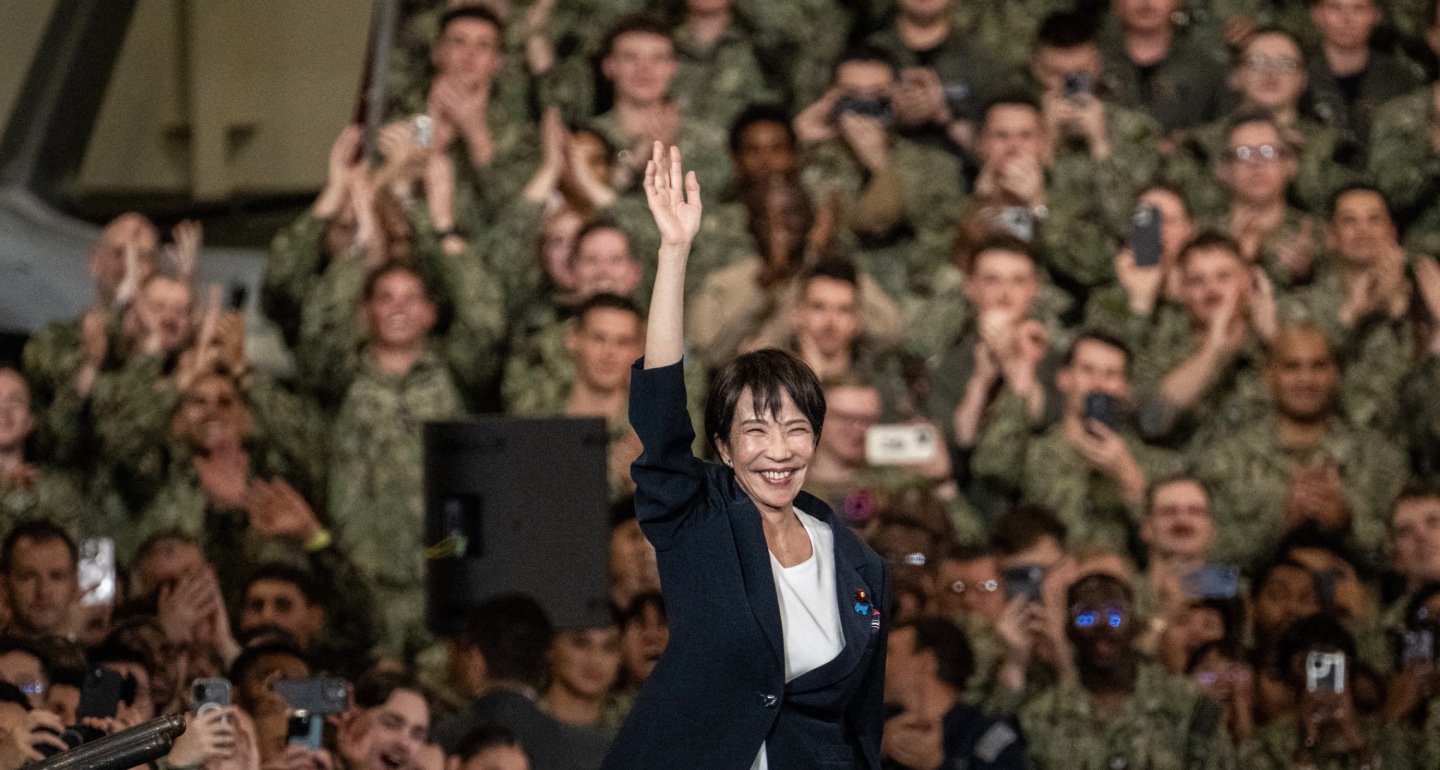
    Japan’s “Militarist Turn” and What It Means for Russia

    For a real example of political forces engaged in the militarization of society, the Russian leadership might consider looking closer to home.

      James D.J. Brown

  • Commentary
    Carnegie Politika
    Why Is Ukraine Extending a Hand to the Belarusian Opposition-in-Exile?

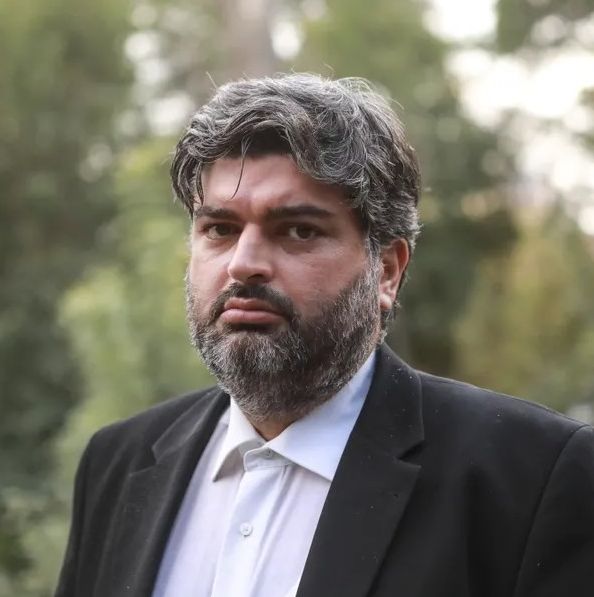
    The risk posed by Lukashenko today looks very different to how it did in 2022. The threat of the Belarusian army entering the war appears increasingly illusory, while Ukraine’s ability to attack any point in Belarus with drones gives Kyiv confidence.

      Artyom Shraibman

  • The Political Integration of Armed Groups in a Changing Global Security Landscape: Implications for Sustainable Peace
    Research
    The Political Integration of Armed Groups in a Changing Global Security Landscape: Implications for Sustainable Peace

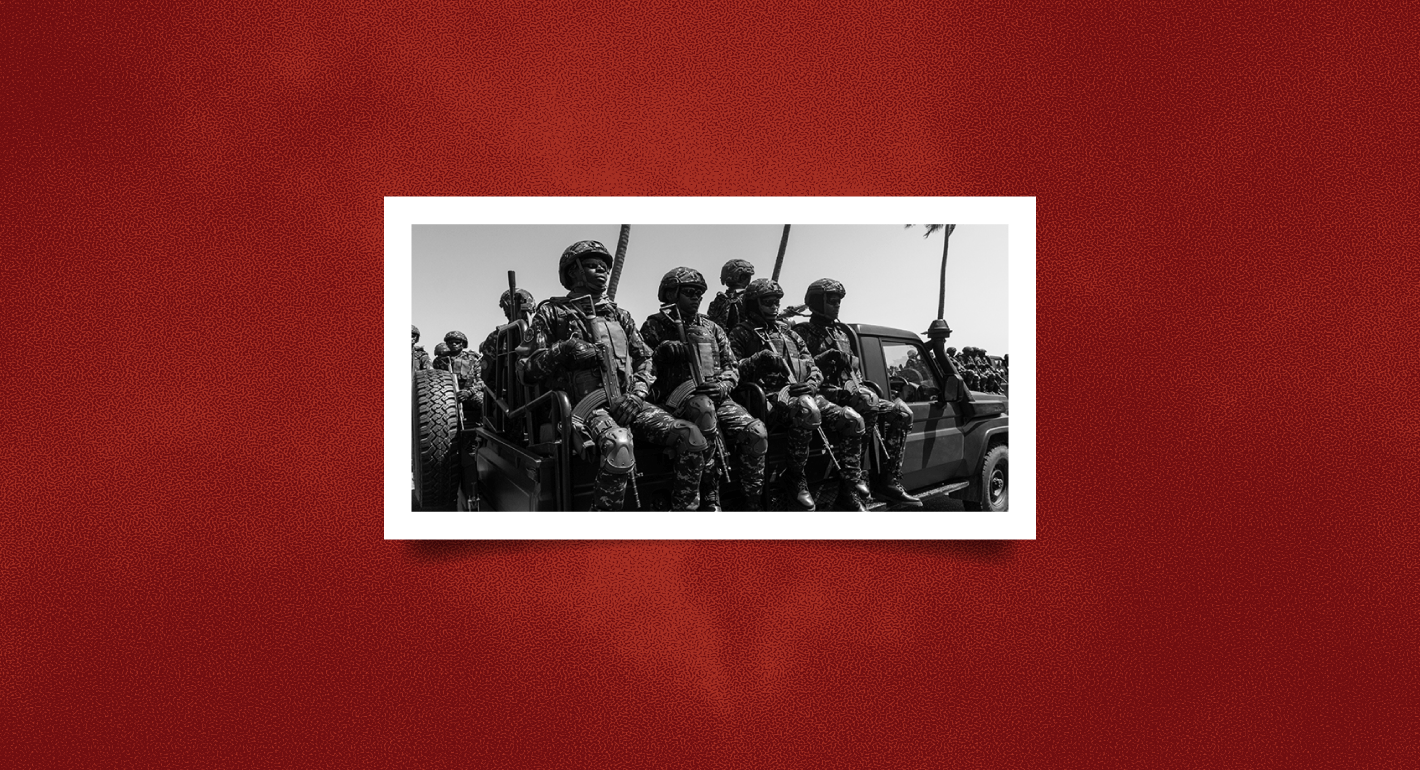
    One of the trickiest challenges to peacebuilding is transforming former combatants, including rebels, into legitimate political actors. Four factors that shape prospects for postwar integration

      Gyda Sindre

  • Commentary
    Carnegie Politika
    Russia Won’t Give Up Its Influence in Armenia Without a Fight

    Instead of a guaranteed ally, the Kremlin now perceives Armenia as yet another hybrid battlefield where it is fighting the West.

      Mikayel Zolyan

Get more news and analysis from
Carnegie Endowment for International Peace
Carnegie global logo, stacked
1779 Massachusetts Avenue NWWashington, DC, 20036-2103Phone: 202 483 7600Fax: 202 483 1840
  • Research
  • Emissary
  • About
  • Experts
  • Donate
  • Programs
  • Events
  • Blogs
  • Podcasts
  • Contact
  • Annual Reports
  • Careers
  • Privacy
  • For Media
  • Government Resources
Get more news and analysis from
Carnegie Endowment for International Peace
© 2026 Carnegie Endowment for International Peace. All rights reserved.