

Research
- +10
Rosa Balfour, Frances Z. Brown, Yasmine Farouk, …
{
  "authors": [
    "Moisés Naím"
  ],
  "type": "legacyinthemedia",
  "centerAffiliationAll": "",
  "centers": [
    "Carnegie Endowment for International Peace"
  ],
  "collections": [],
  "englishNewsletterAll": "",
  "nonEnglishNewsletterAll": "",
  "primaryCenter": "Carnegie Endowment for International Peace",
  "programAffiliation": "",
  "programs": [],
  "projects": [],
  "regions": [
    "East Asia",
    "China"
  ],
  "topics": [
    "Political Reform",
    "Democracy",
    "Foreign Policy"
  ]
}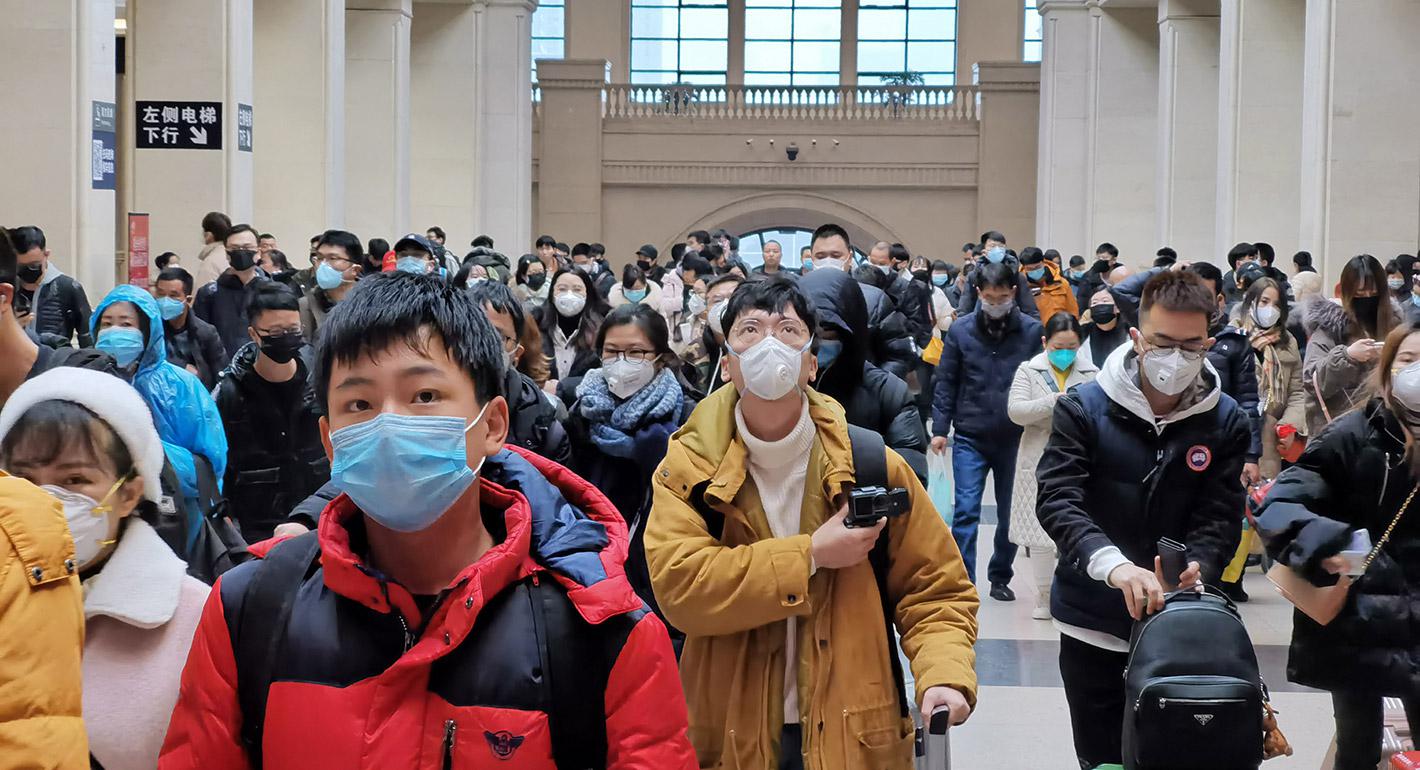
Source: Getty
Researchers at Harvard Medical School have used satellite imagery to track the number of cars parked at six major hospitals in Wuhan, the city of 11 million inhabitants in central China where Covid-19 originated and then spread to the rest of the world.
Source: El País
What do cars in a parking lot have to do with online searches for terms like “diarrhea” and “cough”? And what do these data points tell us about the pandemic that is raging across the globe? As it turns out, a great deal.
Researchers at Harvard Medical School have used satellite imagery to track the number of cars parked at six major hospitals in Wuhan, the city of 11 million inhabitants in central China where Covid-19 originated and then spread to the rest of the world.

Distinguished Fellow
Moisés Naím is a distinguished fellow at the Carnegie Endowment for International Peace, a best-selling author, and an internationally syndicated columnist.
Recent Work



Rosa Balfour, Frances Z. Brown, Yasmine Farouk, …
Moisés Naím
Carnegie does not take institutional positions on public policy issues; the views represented herein are those of the author(s) and do not necessarily reflect the views of Carnegie, its staff, or its trustees.

Ending in an impasse on university tuition fees, the EU-UK summit came to a muddled conclusion. Did the meeting live up to the hype, or was it counterproductive?

Rym Momtaz, ed.

China’s debt problem is not primarily the risk of a financial crisis, but rather the economic losses caused by investment that generates less value than the resources it consumes. Beijing can prevent defaults through monetary and financial repression, but the associated losses must still be absorbed.

Michael Pettis

Washington is racing China to the AI frontier but missing a second race: diffusion. For African developers, the choice of model is a practical matter of affordability, access, and agency.
Jane Munga
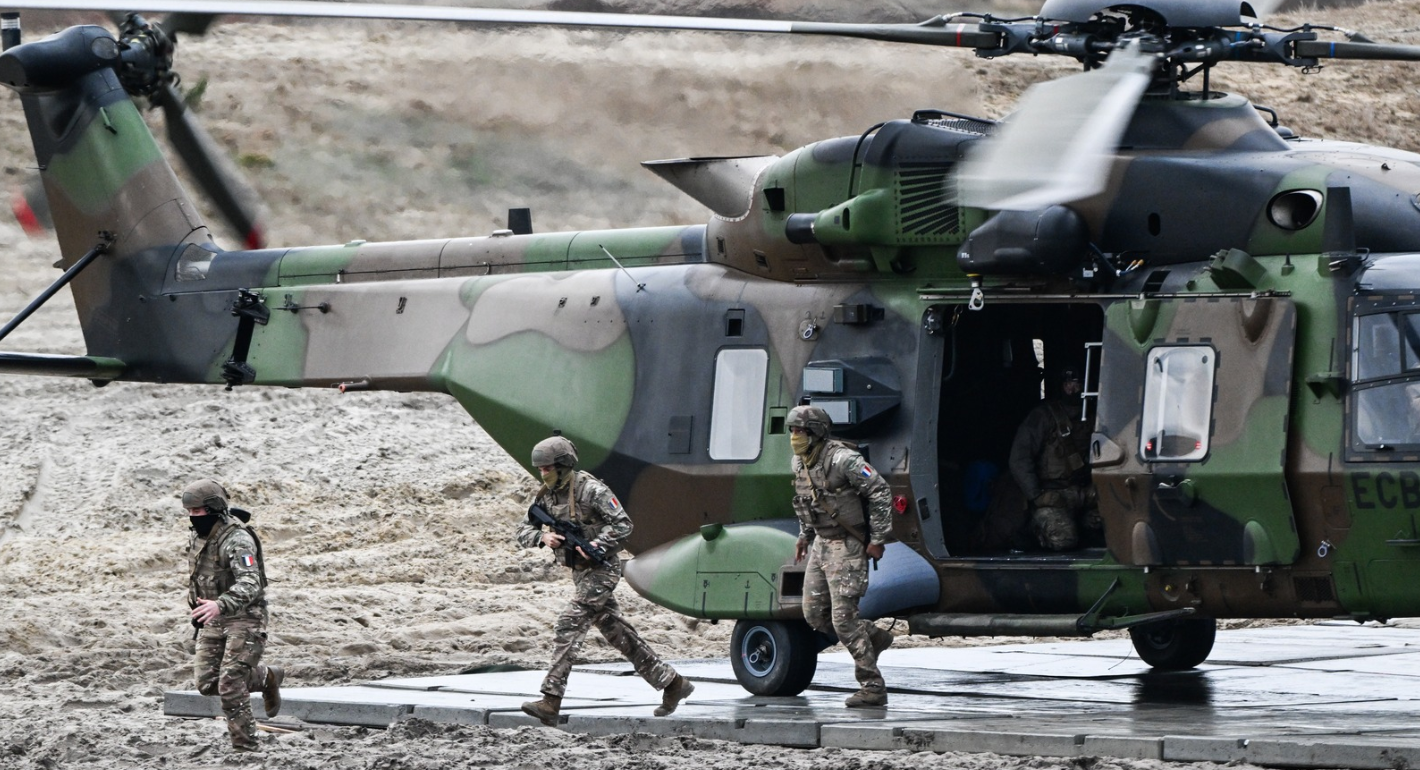
A trilateral summit in China was advertised as the new Yalta but yielded little more than a photo opportunity for Vladimir Putin. The real work was being done by the Europeans, quietly, in rural Poland.
Rym Momtaz

Recent interest in understanding competitive cyber statecraft has been motivated by the recognition that various states are pursuing both diplomatic and operational lines of effort to achieve their respective national strategic objectives in and through cyberspace.
Joe Devanny, Arthur P.B. Laudrain