

Other
- +18
James M. Acton, Saskia Brechenmacher, Cecily Brewer, …
{
  "authors": [
    "Tong Zhao"
  ],
  "type": "legacyinthemedia",
  "centerAffiliationAll": "",
  "centers": [
    "Carnegie Endowment for International Peace",
    "Carnegie China"
  ],
  "collections": [
    "U.S.-China Relations",
    "China’s Foreign Relations"
  ],
  "englishNewsletterAll": "",
  "nonEnglishNewsletterAll": "",
  "primaryCenter": "Carnegie China",
  "programAffiliation": "",
  "programs": [],
  "projects": [],
  "regions": [],
  "topics": [
    "Arms Control",
    "Security"
  ]
}
Source: Getty
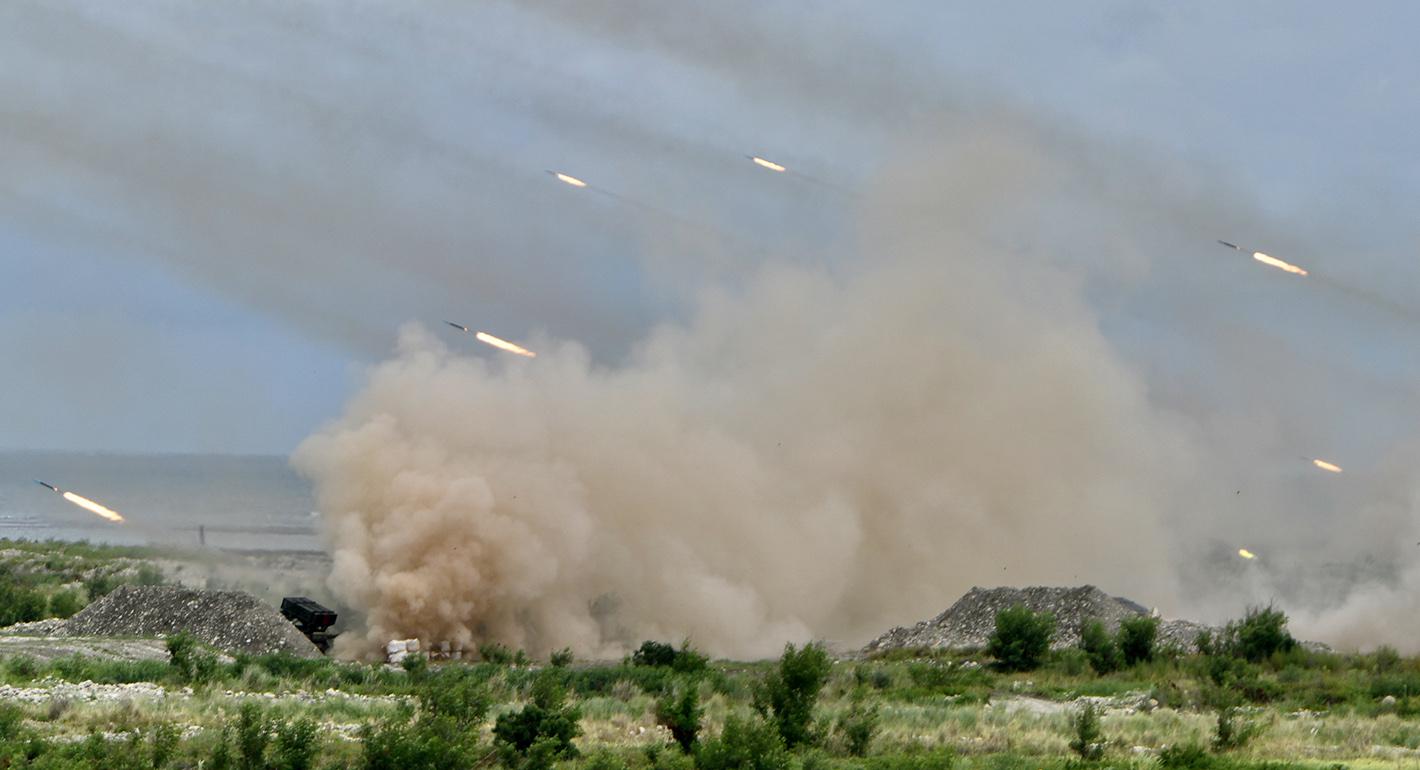
Supporters of nuclear expansion believe that a larger Chinese nuclear arsenal is the key to prevent a war with Washington and “nothing else could work.” The overt nature of the debate is unprecedented and shifts public opinion toward greater enthusiasm for a more robust nuclear posture.
Source: War on the Rocks
Despite the opacity and secrecy over China’s nuclear weapons, a public debate has broken out in China about the country’s nuclear arsenal. Hu Xijin, the chief editor of Global Times — reportedly China’s highest-circulation newspaper — made repeated calls for China to quickly and massively build up its nuclear forces. Supporters of nuclear expansion believe that a larger Chinese nuclear arsenal is the key to prevent a war with Washington and “nothing else could work.” The overt nature of the debate is unprecedented and shifts public opinion toward greater enthusiasm for a more robust nuclear posture.
Hawkish, nationalistic opinion leaders add fuel to an already intensifying military competition between the United States and China that now risks spilling over into the nuclear domain. With an active arsenal of about 3,800 warheads, America’s nuclear stockpile is still almost 12 times larger than China’s, according to open-source research. But Beijing’s nuclear modernization efforts have raised the stakes. While it once was the smallest nuclear power among the five nuclear-weapon states under the Non-Proliferation Treaty (i.e., China, France, Russia, the United Kingdom, and the United States), it is now the third largest — behind only the United States and Russia. Worried that its arsenal will at least double before 2029, Washington has threatened to spend Beijing “into oblivion” unless it joins arms control talks. Senior U.S. officials even considered resuming nuclear testing to force China to the negotiation table.

Senior Fellow with the Nuclear Policy Program and Carnegie China
Tong Zhao is a senior fellow with the Nuclear Policy Program and Carnegie China, Carnegie’s East Asia-based research center on contemporary China. Formerly based in Beijing, he now conducts research in Washington on strategic security issues.
Recent Work



James M. Acton, Saskia Brechenmacher, Cecily Brewer, …
Tong Zhao
Carnegie does not take institutional positions on public policy issues; the views represented herein are those of the author(s) and do not necessarily reflect the views of Carnegie, its staff, or its trustees.
They face an uphill climb, but they could draw on a strategy that other diplomats have used in the past.


Shana Tabak, Alejandro Martin Rodriguez

Understanding the climatic pain points is necessary for policymakers hoping to minimize the war’s negative environmental consequences.


Alejandro Martin Rodriguez, Joy Arkeh, Sarah Yerkes

The books, podcasts, and films that explain the world it made.

Andrew Leber

With the growth in points of friction between the great powers, organizations like the SCO will continue to play a role in the strategic adaptation of the smaller powers caught between them.

Temur Umarov

Amid celebrations of bilateral ties was a deeper focus on stability in the Middle East.

Amr Hamzawy