

Article
The incoming government has swept Nepal’s election. The real work begins now.
Amish Raj Mulmi
{
  "authors": [],
  "type": "other",
  "centerAffiliationAll": "dc",
  "centers": [
    "Carnegie Endowment for International Peace"
  ],
  "collections": [],
  "englishNewsletterAll": "democracy",
  "nonEnglishNewsletterAll": "",
  "primaryCenter": "Carnegie Endowment for International Peace",
  "programAffiliation": "DCG",
  "programs": [
    "Democracy, Conflict, and Governance"
  ],
  "projects": [],
  "regions": [],
  "topics": [
    "Political Reform",
    "Democracy"
  ]
}
REQUIRED IMAGE
A thematic guide to over two decades of research and writing by Thomas Carothers
“International Democracy Support: Filling the Leadership Vacuum,” Carnegie Endowment, July 2019.
Evaluates how other countries, NGOs, and international organizations are attempting to address the deficit in democracy programming brought about by the Trump-era pullback from governance issues.
Analyzing how the Trump presidency has increasingly corroded U.S. support for democracy abroad and outlining how various constituencies can mitigate the damage.
“Is the U.S. Hypocritical to Criticize Russian Election Meddling?” Foreign Affairs, March 2018.
Contending that U.S. efforts to promote democracy should not be equated with Russia’s election meddling.
Arguing that the 2017 National Security Strategy reveals much that democracy and rights advocates can use to work within the Trump administration’s stated priorities.
Underscoring that despite severe strain on U.S. democracy policy, it is premature to write off the United States as a key supporter of global democracy.
“Prospects for U.S. Democracy Promotion under Trump,” Carnegie Endowment, January 2017.
Arguing that the inseparability of U.S. values and interests, as well as bipartisan consensus in support of democracy promotion, will constrain the Trump administration’s inclination to dismantle democracy support.
Highlights the evolution of civic organizing activity during the COVID-19 pandemic.
Identifies areas of progress in international efforts to combat closing civic spaces alongside factors hindering their effectiveness, making policy recommendations in six key areas.
Proposing strategies for civic actors to build and defend their legitimacy in the face of increasing attacks by hostile governments.
“Closing Space and Fragility,” Fragility Study Group Policy Brief, October 2016.
Highlighting that the alarming trend of closing space for civil society has a direct but underappreciated link to the problem of state fragility.
“The Closing Space Challenge: How Are Funders Responding?” Carnegie Endowment, November 2015.
Examining how Western public and private funders are responding to the increasing restrictions on support for civil society around the world.
Assessing the scope and causes of the global pushback against democracy and rights support and outlining potential responses.
Critically examining civil society assistance as a tool of democracy promotion.
“Is the United States Giving Up on Supporting Democracy Abroad?” Foreign Policy, September 2016.
Discussing how to counter growing skepticism in Washington about the value and wisdom of democracy promotion.
“Look Homeward, Democracy Promoter,” Foreign Policy, January 2016.
Urging the U.S. democracy assistance community to relate their work abroad to the problems of U.S. democracy.
A forward-looking assessment of challenges and opportunities in U.S. democracy promotion.
Democracy Promotion under Obama: Revitalization or Retreat? Carnegie Endowment, January 2012.
Taking stock of the Obama administration’s approach to democracy promotion.
Revitalizing Democracy Assistance: The Case of USAID, Carnegie Endowment, October 2009.
A critique and suggested renovation of U.S. democracy assistance programs
U.S. Democracy Promotion During and After Bush, Carnegie Endowment, September 2007.
Comprehensively analyzing George W. Bush’s approach to democracy promotion and proposing an alternative path.
“Promoting Democracy and Fighting Terrorism,” Foreign Affairs, January/February 2003.
Identifying the tension between U.S. democracy promotion and the U.S. War on Terror.
“The Clinton Record on Democracy Promotion,” Carnegie Endowment, September 2000.
Assessing democracy promotion under President Clinton.
Comprehensively analyzing U.S. foreign policy and democracy promotion in Latin America during the Reagan presidency.
Arguing that international efforts to bolster women’s political empowerment can serve as a critical lever to promote broader change when strategically tailored to address varied transitional contexts.
Ideas for Future Work on Transparency and Accountability, Carnegie Endowment, May 2016 (editor).
Setting an agenda for innovative, practical work on transparency and accountability.
Arguing that the role of rising, non-Western democracies in democracy support should not be prematurely discounted.
“Democracy Aid at 25: Time to Choose,” Journal of Democracy, January 2015.
Reflecting on the state of democracy aid and the central dilemma it faces for the future.
“Learning Lessons on Lessons Learned,” Alliance Magazine, December 2014.
Exploring Egypt’s repeated violations of almost all received ‘best practices’ of democratic transitions and the implications for aid providers seeking to help transitional actors learn from others.
Identifying and assessing the new role of non-Western actors in democracy support.
Further analyzing the backlash.
“Democracy Assistance: Political vs. Developmental,” Journal of Democracy, January 2009.
Distinguishing two major approaches to democracy support and analyzing their place in U.S. and European assistance efforts.
“A Quarter Century of Democracy Promotion,” Journal of Democracy, October 2007.
Taking stock of the longer-term evolution of democracy assistance.
“How Democracies Emerge: The ‘Sequencing’ Fallacy,” Journal of Democracy, January 2007.
Arguing against the idea that democratization should wait for economic development.
Debate forum over the “Sequencing Fallacy” article.
“Promoting Democracy in a Postmodern World,” Dissent, Spring 1996.
Analyzing the tension between democracy promotion abroad and the troubled state of democracy in the United States and Western Europe.
“The Backlash against Democracy Promotion,” Foreign Affairs, March/April 2006.
Calling attention to the backlash against democracy assistance in multiple parts of the world.
Evaluating progress in governance assistance.
Suggesting closer connections between academic research and democracy assistance.
Confronting the Weakest Link: Aiding Political Parties in New Democracies, Carnegie Endowment, 2006.
Comprehensively assessing political party assistance.
Aiding Democracy Abroad: The Learning Curve, Carnegie Endowment, 1999.
Providing an early comprehensive account of the democracy assistance field.
Assessing Democracy Assistance: The Case of Romania, Carnegie Endowment, 1996.
Offering a comprehensive, multi-dimensional analysis of the workings and failings of U.S. democracy assistance and addressing the value, strategies, methods, and future of such work.
“Egypt’s Dismal Opposition: A Second Look,” Carnegie Endowment, May 2013.
Assessing the Egyptian opposition under Morsi and providing comparative perspective.
“Approach Analogies with Caution,” Alliance Magazine, December 2011.
Cautioning against simplistic analogies to 1989.
“Think Again: Arab Democracy,” Foreign Policy, March 2011.
Comparative reflections on the outbreak of political upheaval in the Arab world.
“How Not to Promote Democracy in Egypt,” Washington Post, February 2011.
Warning against partisanship vis-à-vis Islamists in Egypt.
“Egypt and Indonesia,” New Republic, February 2011.
Offering a comparison between political change in Egypt and Indonesia.
“The Democracy Crusade Myth,” National Interest, July/August 2007.
Critiquing the idea that the Bush administration strongly emphasized supporting Arab democracy.
A wide-ranging examination of the challenge of supporting democracy in the Arab world.
“Democracy: Terrorism’s Uncertain Antidote,” Current History, December 2003.
Questioning a direct link between supporting democracy and reducing terrorism.
Warning against the idea of rapid democratization in Iraq and the Arab world generally.
Compares polarization in six South and Southeast Asian nations.
Polarization and the Pandemic, Carnegie Endowment, April 2020 (Co-Edited with Andrew O’Donohue).
Examines the relationship between the COVID-19 pandemic and polarization across ten countries.
Argues that the United States could learn key lessons about administering elections in polarized contexts from its own international democracy support programs.
Offers a comprehensive comparative analysis of polarization across countries and outlines a path forward to combat it.
Introduces American polarization in a comparative perspective.
Probes how the COVID-19 pandemic is exacerbating governance challenges in authoritarian regimes.
“Dictators in Trouble,” Foreign Affairs, February 2020.
Highlights the governance challenges facing authoritarian regimes.
Arguing that public outrage over corruption has become perhaps the most powerful driver of political change around the world and is reshaping global politics for the better.
Analyzing the nature and impact of the global protest phenomenon.
“A Good Democracy is Hard to Find,” Foreign Affairs, June 2019.
Contends with Sheri Berman’s arguments on the history of democracy in Europe.
“Is Democracy the Problem?” The American Interest, January 2019.
Evaluates five purported “design flaws” of democracy and juxtaposes these shortcomings with governance in authoritarian regimes.
“Democracy Is Not Dying,” Foreign Affairs, April 2017 (co-authored with Richard Youngs).
Challenging the pessimism that pervades current discussions of global democracy and highlighting that the state of democracy is not uniformly dire, especially outside the West.
“Why Technology Hasn’t Delivered More Democracy,” Foreign Policy, June 2015.
A collaborative exploration of why new technologies that offer powerful tools for empowerment have not delivered more democracy.
Evaluating the growing domain of non-Western forces influencing political transitions around the world.
“Zakaria’s Complaint,” National Interest, Summer 2003.
Contending with Zakaria’s arguments about the rise of illiberal democracy and the problem of too much democracy too soon.
“Forum on ‘The End of the Transition Paradigm,’” Journal of Democracy, July 2002.
Debate forum over “The End of the Transition Paradigm.”
“The End of the Transition Paradigm,” Journal of Democracy, January 2002.
Rethinking how to understand political transitions.
“Rule of Law Temptations,” The Fletcher Forum of World Affairs, Winter/Spring 2009.
Identifying common analytic mistakes in rule of law promotion.
Promoting the Rule of Law Abroad: In Search of Knowledge, Carnegie Endowment, 2006 (editor).
Taking a comprehensive look at rule of law assistance.
“Promoting the Rule of Law Abroad: The Problem of Knowledge,” Carnegie Endowment, January 2003.
Pointing to the weak base of knowledge for rule of law assistance.
“The Rule of Law Revival,” Foreign Affairs, March 1998.
Identifying the surge of interest in rule of law support.
Probing the solidity of the apparent broad consensus around four core development principles.
Analyzing the complex relationship between politics and development aid and exploring how aid providers can think and act politically.
“The Elusive Synthesis,” Journal of Democracy, October 2010.
Examining the persistent separation between democracy aid and socioeconomic aid.
Levy, Brian, “The Case for Principled Agnosticism,” Journal of Democracy, October 2010; Wollack, Kenneth and K. Scott Hubli, “Getting Convergence Right,” Journal of Democracy, October 2010.
Commentaries on “The Elusive Synthesis.”
Carnegie does not take institutional positions on public policy issues; the views represented herein are those of the author(s) and do not necessarily reflect the views of Carnegie, its staff, or its trustees.
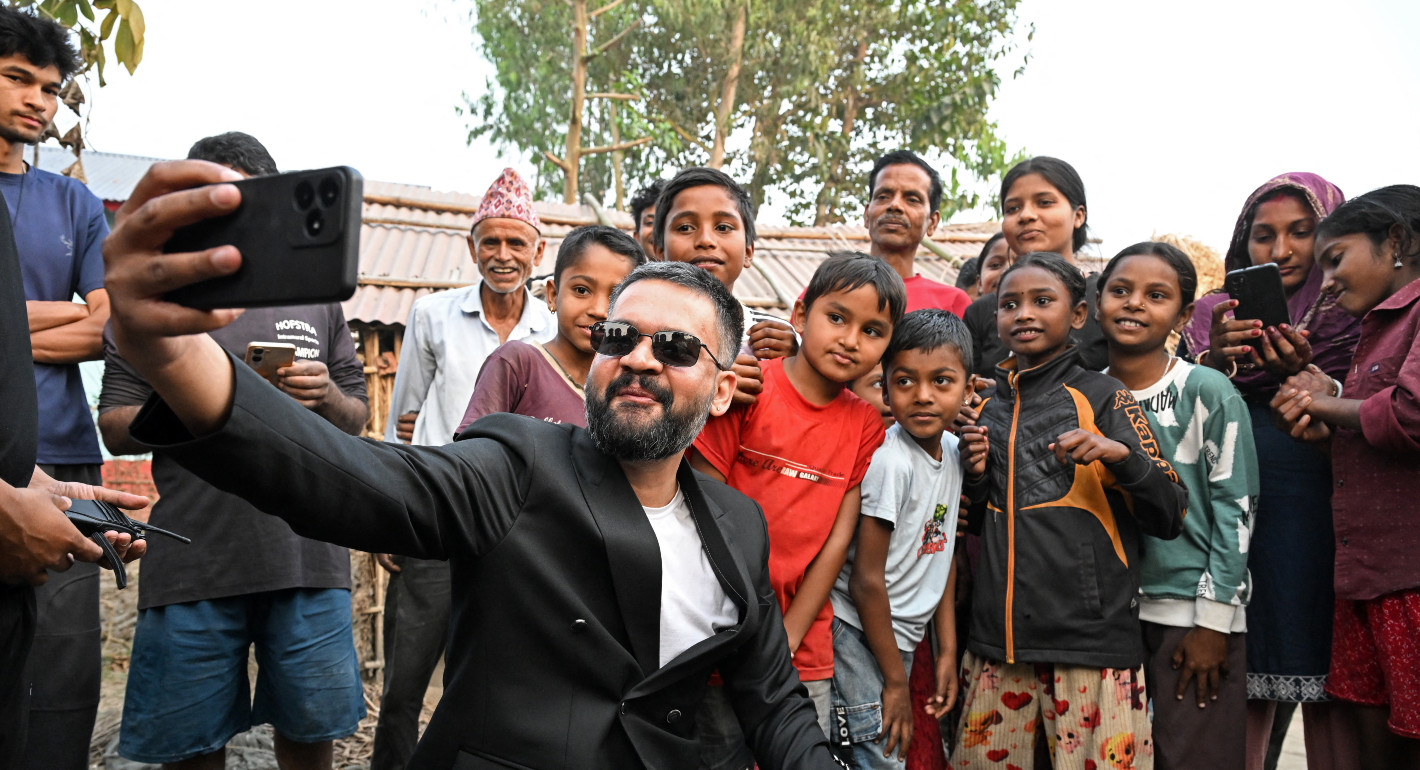
The incoming government has swept Nepal’s election. The real work begins now.

Amish Raj Mulmi
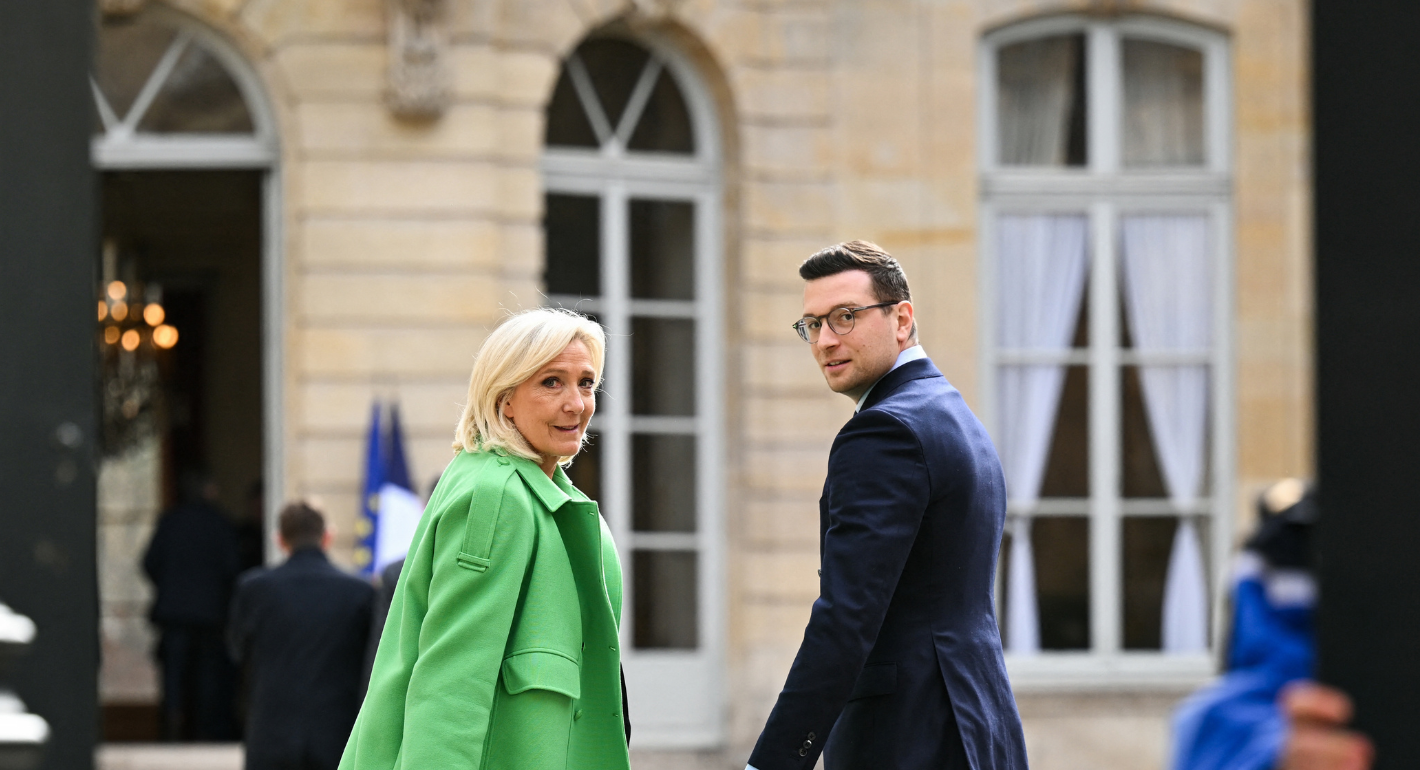
The far right failed to win big in France’s municipal elections. But that’s not good news for the country’s left wing, which remained disunited while the broader right consolidated its momentum ahead of the 2027 presidential race.
Catherine Fieschi
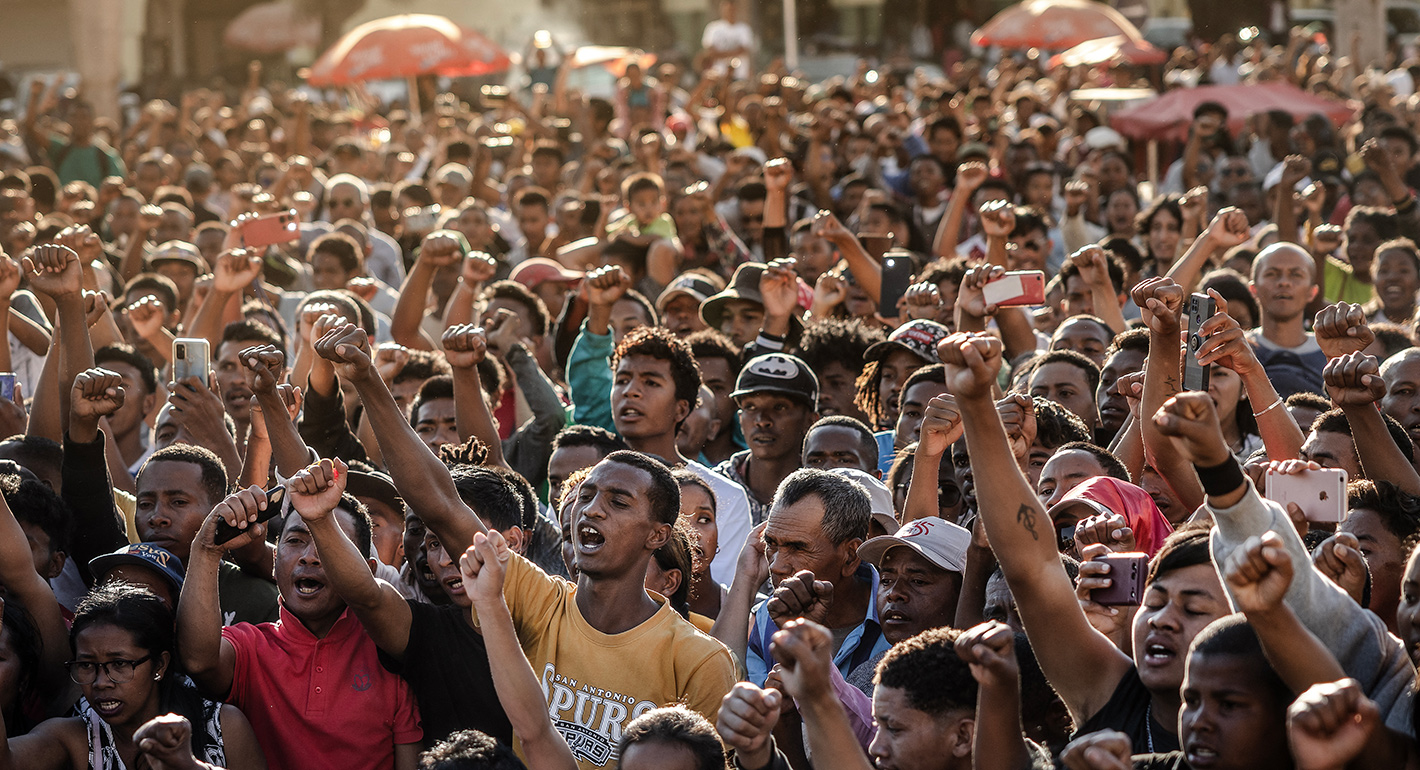
As public anger over corruption drives protests, election outcomes, and regime change around the world, the Donald Trump administration is disconnecting U.S. policy from this defining feature of global politics.


Thomas Carothers, McKenzie Carrier
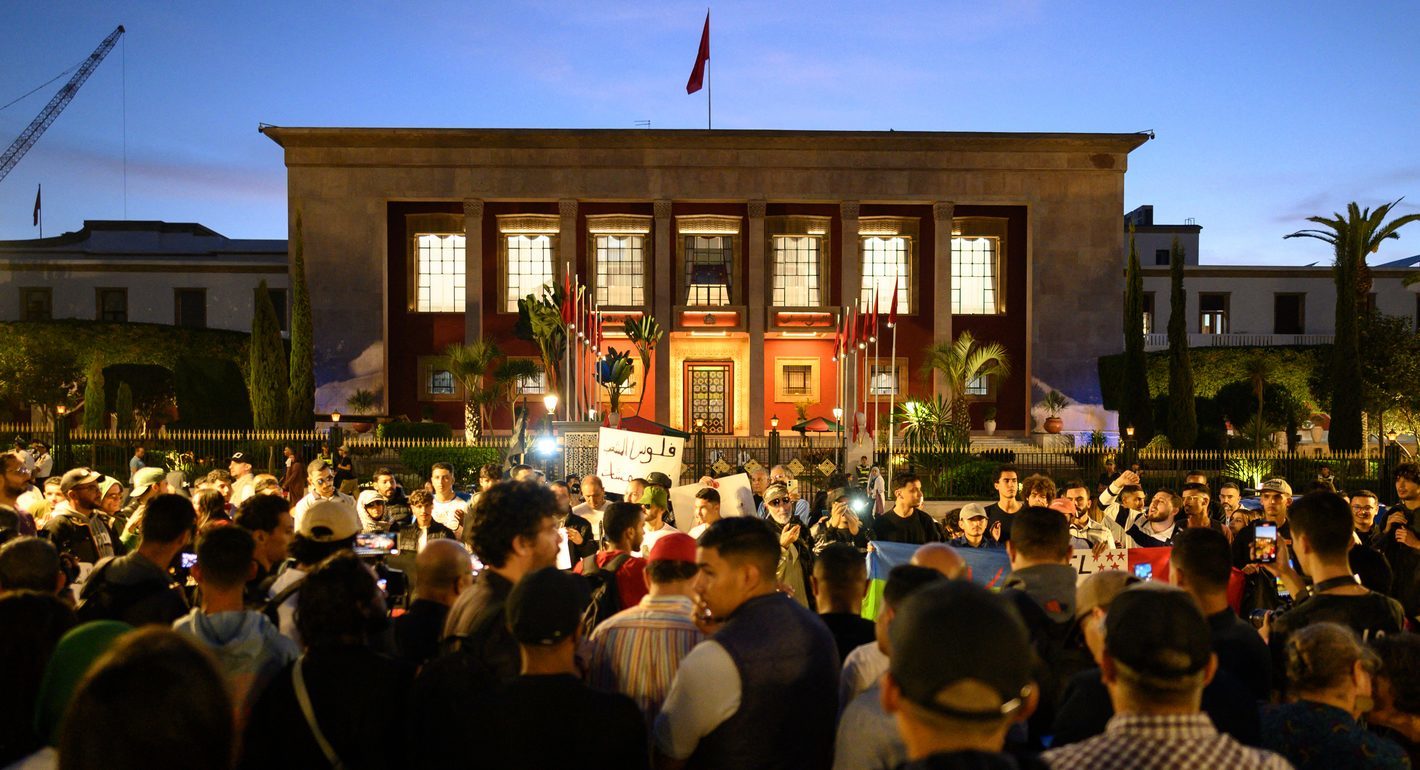
From anime heroes to online gaming communities, Morocco’s Gen Z is building a new protest culture. What does this digital imagination reveal about youth politics, and how should institutions respond?
Abdelilah Farah
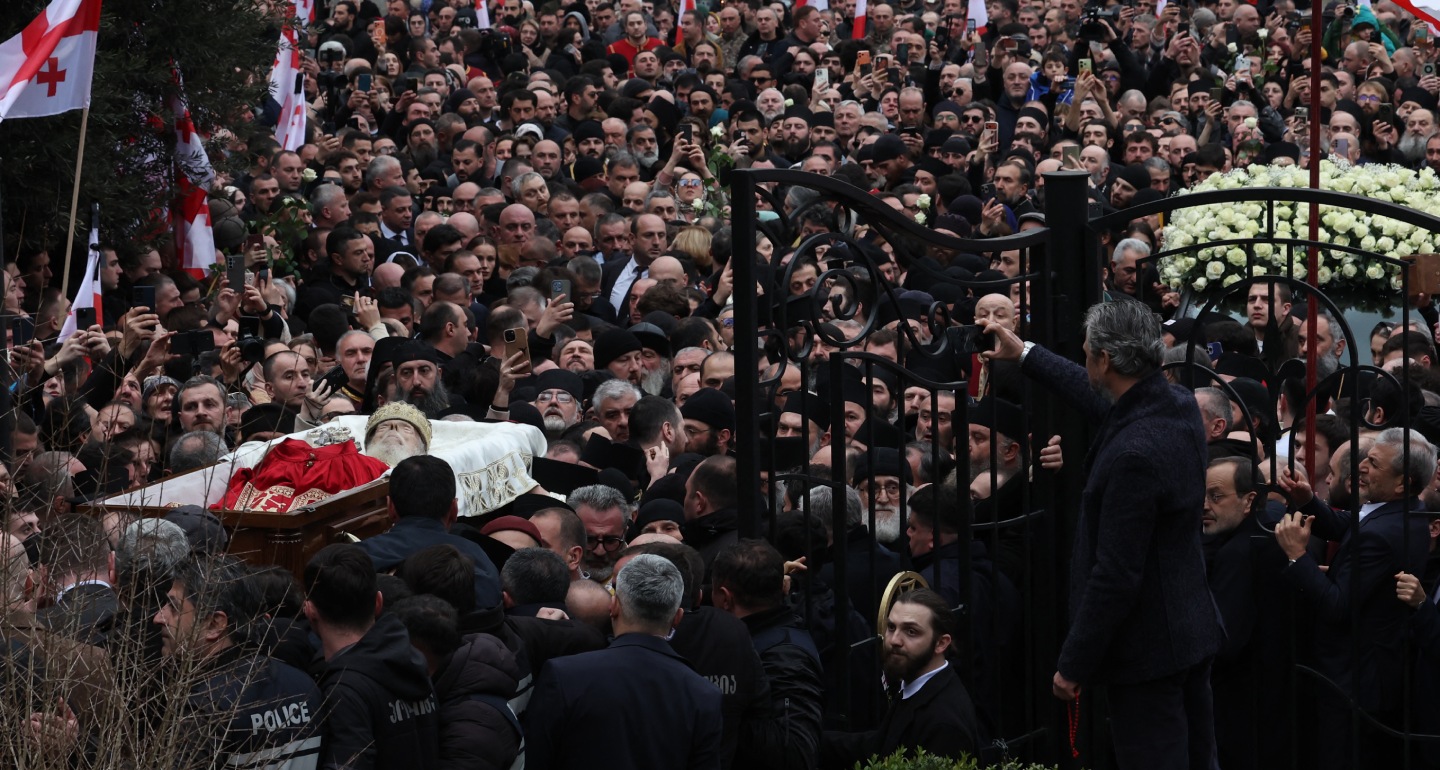
The front-runner to succeed Ilia II, Metropolitan Shio, is prone to harsh anti-Western rhetoric and frequent criticism of “liberal ideologies” that he claims threaten the Georgian state. This raises fears that under his leadership the Georgian Orthodox Church will lose its unifying role and become an instrument of ultraconservative ideology.

Bashir Kitachaev