

Commentary
The EU can impose sanctions but struggles to enforce them without the United States. With Washington increasingly disinterested in backing European interests, the bloc must now fend for itself.
Nicu Popescu, Tiago Antunes
{
  "authors": [
    "Lyu Jinghua",
    "Gaurav Kalwani"
  ],
  "type": "other",
  "centerAffiliationAll": "dc",
  "centers": [
    "Carnegie Endowment for International Peace"
  ],
  "collections": [
    "Major Power Tech Relations",
    "Cyber and Digital Policy"
  ],
  "englishNewsletterAll": "ctw",
  "nonEnglishNewsletterAll": "",
  "primaryCenter": "Carnegie Endowment for International Peace",
  "programAffiliation": "TIA",
  "programs": [
    "Technology and International Affairs"
  ],
  "projects": [],
  "regions": [
    "North America",
    "United States",
    "East Asia",
    "China",
    "Iran"
  ],
  "topics": [
    "Foreign Policy",
    "Technology"
  ]
}
Source: Getty
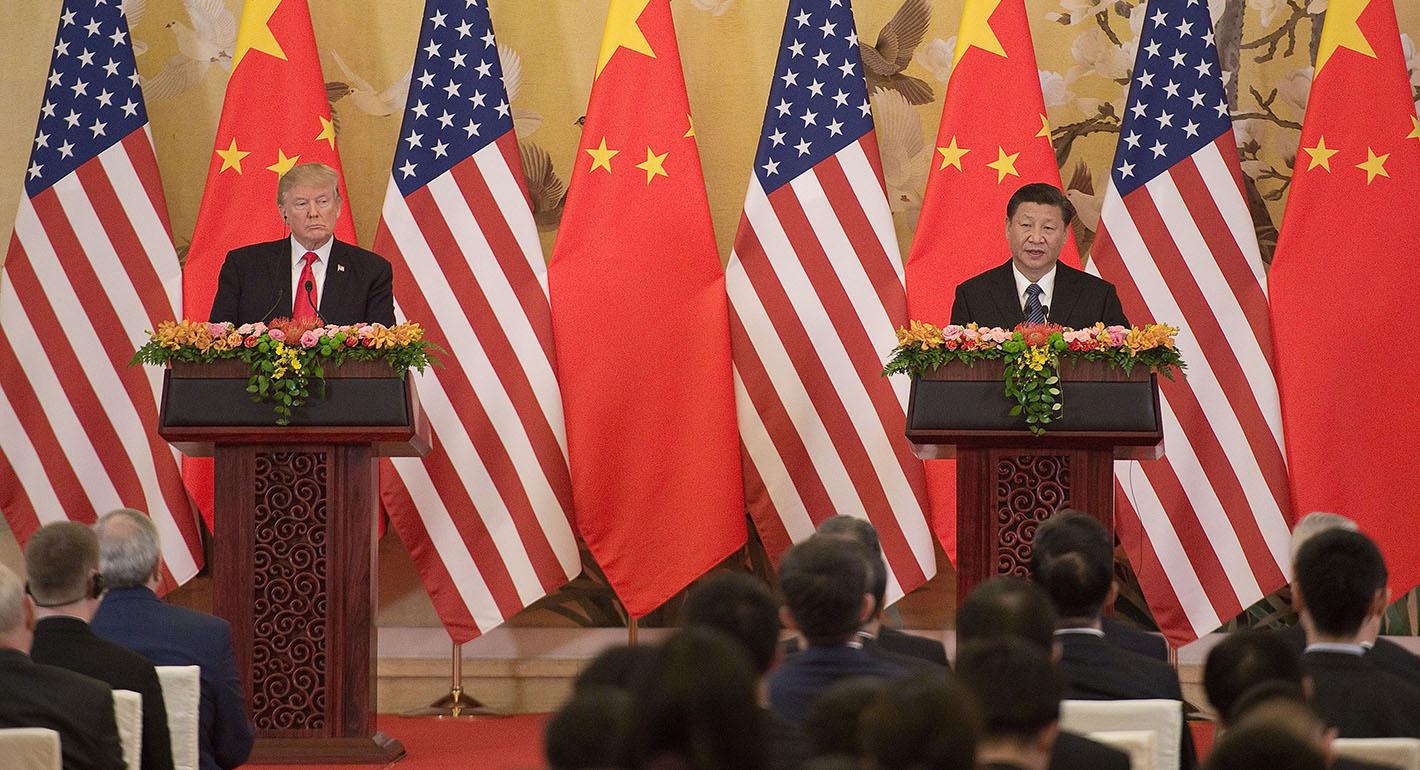
Although cyberspace represents a relatively new facet of the U.S.-China relationship, controversies within this domain have rapidly evolved into critical and contentious issues in the eyes of both parties, affecting a wide swath of policy areas such as trade, defense, transparency, and the rule of law.
Source: Turkish Policy Quarterly
Although cyberspace represents a relatively new facet of the US-China relationship, controversies within this domain have rapidly evolved into critical and contentious issues in the eyes of both parties, affecting a wide swath of policy areas such as trade, defense, transparency, and the rule of law. Understanding the development and underlying factors of tensions, the concerns of both sides, and the way in which these problems combine in the poorly managed competition over 5G will be crucial to moderating friction and building the future digital world.
This publication was originally published in the Turkish Policy Quarterly.
Former Visiting Scholar, Cyber Policy Initiative
Lyu Jinghua was a visiting scholar with Carnegie’s Cyber Policy Initiative. Her research focuses primarily on cybersecurity and China-U.S. defense relations.
Gaurav Kalwani
Former Research Assistant, Nuclear Policy Program
Gaurav Kalwani was a research assistant with the Nuclear Policy Program.
Carnegie does not take institutional positions on public policy issues; the views represented herein are those of the author(s) and do not necessarily reflect the views of Carnegie, its staff, or its trustees.

The EU can impose sanctions but struggles to enforce them without the United States. With Washington increasingly disinterested in backing European interests, the bloc must now fend for itself.


Nicu Popescu, Tiago Antunes
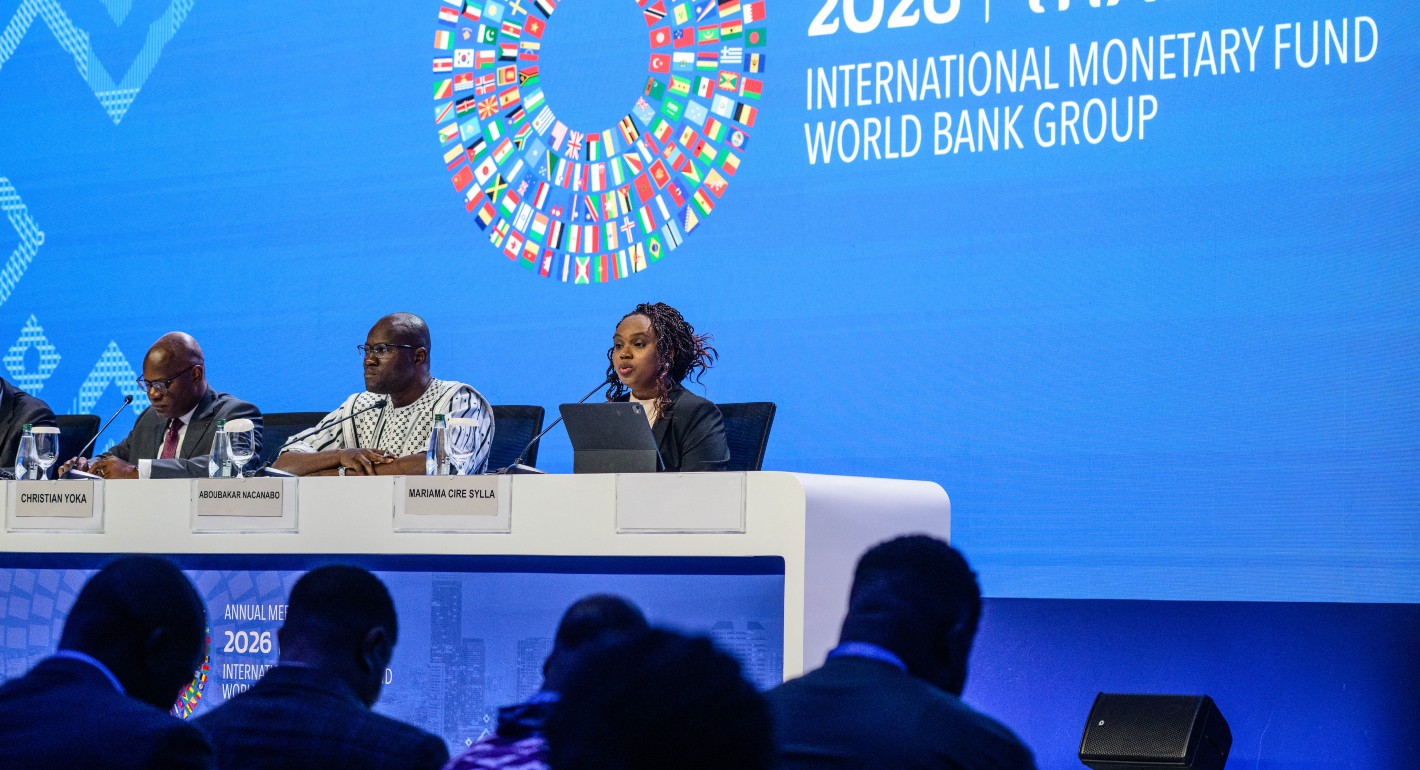
Global and rising powers will need to engage with Africa’s priorities and agency in order to secure the continent’s increasingly attractive partnerships.
Fonteh Akum

Rubio’s recent visit brought welcome attention, but more capital requires governance changes that may be a hard sell for regional governments.

Jennifer B. Murtazashvili

America’s foreign-policy objectives have grown more demanding while Americans have demanded greater focus on their own affairs.

Stephen Wertheim

Japan’s long-term security policy is driven by concerns about China, and there is little appetite for (or interest in) pursuing a confrontation with Moscow.

James D.J. Brown