

Commentary
Fatima El Mansouri is the country’s first female prime minister. She’s also a privileged insider in a largely ceremonial position.
Sarah Yerkes
{
  "authors": [
    "William J. Burns",
    "Linda Thomas-Greenfield"
  ],
  "type": "legacyinthemedia",
  "centerAffiliationAll": "dc",
  "centers": [
    "Carnegie Endowment for International Peace"
  ],
  "collections": [
    "Foreign Policy Strategy"
  ],
  "englishNewsletterAll": "democracy",
  "nonEnglishNewsletterAll": "",
  "primaryCenter": "Carnegie Endowment for International Peace",
  "programAffiliation": "DCG",
  "programs": [
    "Democracy, Conflict, and Governance"
  ],
  "projects": [],
  "regions": [
    "North America",
    "United States"
  ],
  "topics": [
    "Political Reform",
    "Democracy",
    "Foreign Policy"
  ]
}
Source: Getty
The United States needs a great renewal of its diplomatic capacity, balancing America’s ambitions with the limits of what is possible, and rooting reform in the people who animate U.S. diplomacy.
Source: Foreign Affairs
We joined the U.S. Foreign Service nearly 40 years ago in the same entering class, but we took very different paths to get there. One of us grew up amid hardship and segregation in the Deep South, the first in her family to graduate from high school, a Black woman joining a profession that was still very male and very pale. The other was the product of an itinerant military childhood that took his family from one end of the United States to the other, with a dozen moves and three high schools by the time he was 17.
There were 32 of us in the Foreign Service’s class of January 1982. It was an eclectic group that included former Peace Corps volunteers, military veterans, a failed rock musician, and an ex–Catholic priest. None of us retained much from the procession of enervating speakers describing their particular islands in the great archipelago of U.S. foreign policy. What we did learn early on, and what stayed true throughout our careers, is that smart and sustained investment in people is the key to good diplomacy. Well-intentioned reform efforts over the years were crippled by faddishness, budgetary pressures, the over-militarization of foreign policy, the State Department’s lumbering bureaucracy, a fixation on structure, and—most of all—inattention to people.
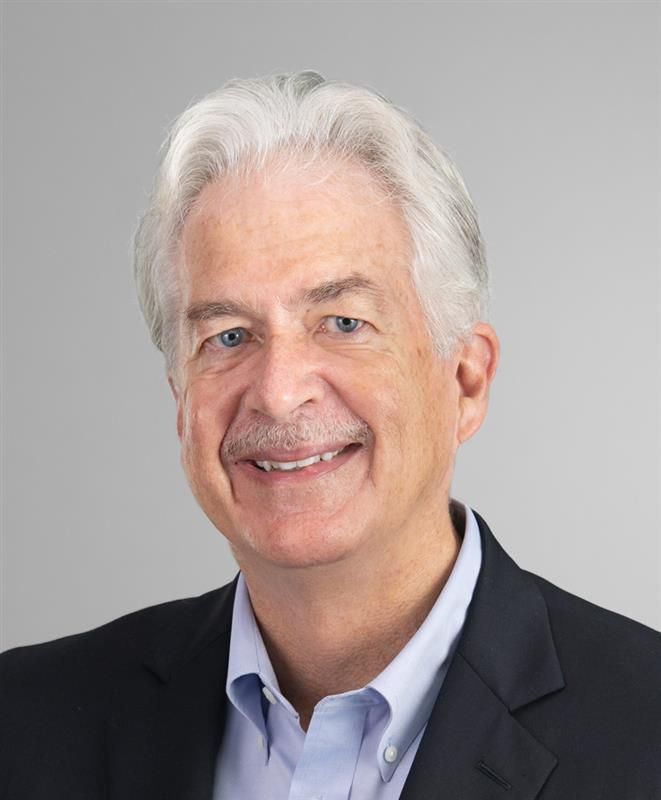
Former Carnegie President (2015-2021)
A former career diplomat, William J. Burns served as director of the CIA, deputy secretary of State, and ambassador to Russia and Jordan. Burns was also president of the Carnegie Endowment for International Peace from 2015 to 2021.
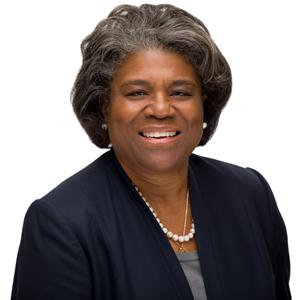
Linda Thomas-Greenfield
Linda Thomas-Greenfield is the former U.S. Assistant Secretary of State for African Affairs and currently, the senior vice president at Albright Stonebridge Group, Africa Practice.
Carnegie does not take institutional positions on public policy issues; the views represented herein are those of the author(s) and do not necessarily reflect the views of Carnegie, its staff, or its trustees.
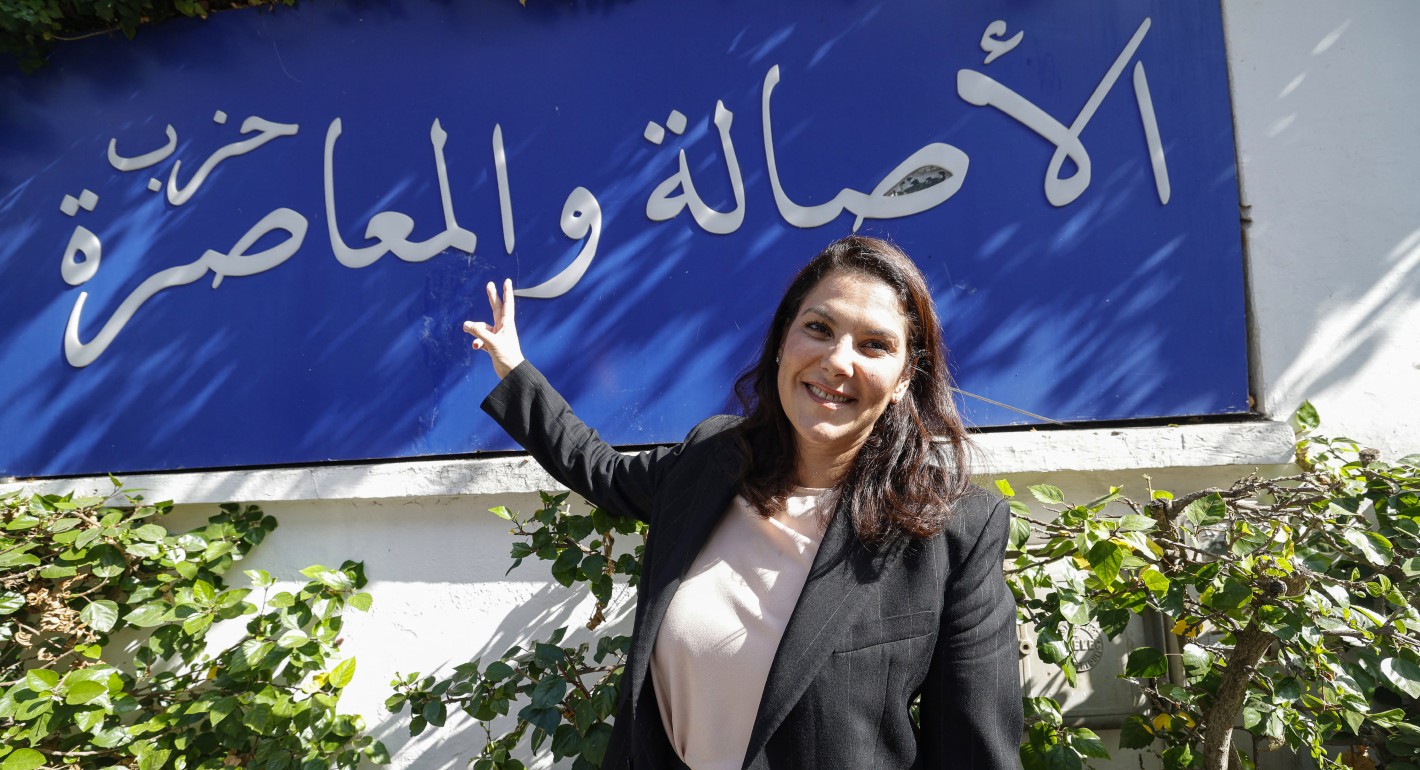
Fatima El Mansouri is the country’s first female prime minister. She’s also a privileged insider in a largely ceremonial position.

Sarah Yerkes

The acknowledgment has sparked fears of a new arms race with China and Russia.

Chris O’Meara

Smaller powers cannot go it alone, but Canadian history shows that integration with the United States will not always be benign.
Paul Samson

The European Commissioner for Trade is headed to China. But after President Xi’s bridge-building visit to Washington, can a more isolated EU overcome Beijing’s stranglehold on critical raw materials? Who will blink first?

Rym Momtaz, ed.

The summit may be remembered as a fatal blunder, when Washington, Beijing, and the AI industry collectively chose ceremony over action.

Jeffrey Prescott