• Research
  • Emissary
  • About
  • Experts
Carnegie Global logoCarnegie lettermark logo
DemocracyIran
  • Donate
{
  "authors": [
    "Gwendolyn Sasse",
    "Félix Krawatzek"
  ],
  "type": "legacyinthemedia",
  "centerAffiliationAll": "dc",
  "centers": [
    "Carnegie Endowment for International Peace",
    "Carnegie Europe"
  ],
  "collections": [
    "Europe’s Eastern Neighborhood"
  ],
  "englishNewsletterAll": "ctw",
  "nonEnglishNewsletterAll": "",
  "primaryCenter": "Carnegie Europe",
  "programAffiliation": "EP",
  "programs": [
    "Europe"
  ],
  "projects": [],
  "regions": [
    "Russia",
    "Europe",
    "Iran"
  ],
  "topics": [
    "Migration",
    "Democracy"
  ]
}
REQUIRED IMAGE

REQUIRED IMAGE

In The Media
Carnegie Europe

Transnational Links and Political Attitudes: Young People in Russia

Personal experiences of travel, migration, and remittances play a role in young Russians’ domestic and foreign policy preferences, trust in political institutions and perceptions of the legitimacy of protest.
Link Copied
By Gwendolyn Sasse and Félix Krawatzek
Published on Aug 17, 2022
Program mobile hero image

Program

Europe

The Europe Program in Washington explores the political and security developments within Europe, transatlantic relations, and Europe’s global role. Working in coordination with Carnegie Europe in Brussels, the program brings together U.S. and European policymakers and experts on strategic issues facing Europe.

Learn More

Europe-Asia Studies

About the Authors

Gwendolyn Sasse
Gwendolyn Sasse

Nonresident Senior Fellow, Carnegie Europe

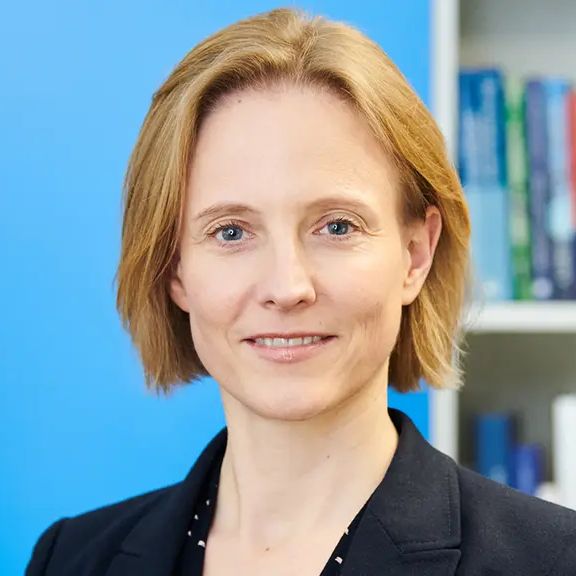
Gwendolyn Sasse is a nonresident senior fellow at Carnegie Europe. Her research focuses on Eastern Europe, with a particular focus on Ukrainian politics and society, EU enlargement, and comparative democratization.

Félix Krawatzek

Authors

Gwendolyn Sasse
Nonresident Senior Fellow, Carnegie Europe
Gwendolyn Sasse
Félix Krawatzek
MigrationDemocracyRussiaEuropeIran

Carnegie does not take institutional positions on public policy issues; the views represented herein are those of the author(s) and do not necessarily reflect the views of Carnegie, its staff, or its trustees.

More Work from Carnegie Endowment for International Peace

  • people watching a huge column of smoke in the distance
    Commentary
    Emissary
    Is the Russia-Ukraine War Vibe Shift Real?

    Media coverage suggests Kyiv’s fortunes have changed. That shift may be important, but it only goes so far.

      Dara Massicot, Aaron David Miller, Andrew S. Weiss
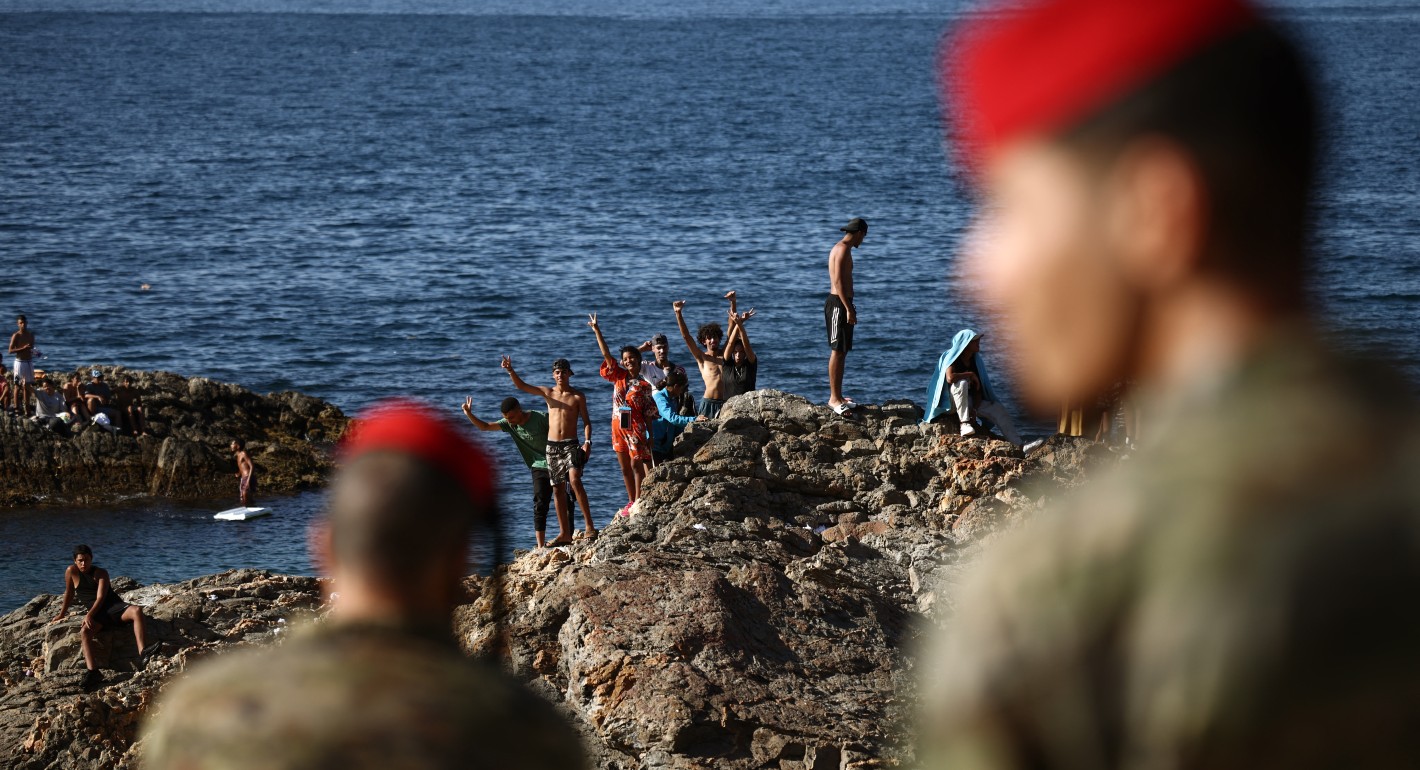
  • People standing on rocks in the ocean near the shore, with soldiers in the foreground
    Commentary
    Emissary
    The Migration Wave That Embarrassed Morocco and Rattled Europe

    Most migrants may have left Ceuta, but the effects may linger.

      • Alejandro Rodriguez
      • Sarah Yerkes

      Alejandro Martin Rodriguez, Sarah Yerkes

  • Commentary
    Carnegie Politika
    Russia Is Exporting Its Fuel Crisis to Central Asia

    When faced with fuel shortages in the past, Central Asian governments could always count on additional supplies from Moscow. That safety net no longer exists.

      Galiya Ibragimova

  • Shadowed figure lighting grocery store shelves
    Commentary
    Emissary
    Five Years After His Power Grab, Tunisia’s President Has Only Achieved Failure

    Saied’s main accomplishment has been to destroy a decade’s worth of democratic progress.

      • Sarah Yerkes

      Sarah Yerkes

  • Port cranes at sunset
    Commentary
    Emissary
    The Drone Attack on Egypt and the Widening Middle East War

    The targeting of Damietta Port appears to be more than a mere security message.

      Amr Hamzawy

Get more news and analysis from
Carnegie Endowment for International Peace
Carnegie global logo, stacked
1779 Massachusetts Avenue NWWashington, DC, 20036-2103Phone: 202 483 7600
  • Research
  • Emissary
  • About
  • Experts
  • Donate
  • Programs
  • Events
  • Blogs
  • Podcasts
  • Contact
  • Annual Reports
  • Careers
  • Privacy
  • For Media
  • Government Resources
Get more news and analysis from
Carnegie Endowment for International Peace
© 2026 Carnegie Endowment for International Peace. All rights reserved.