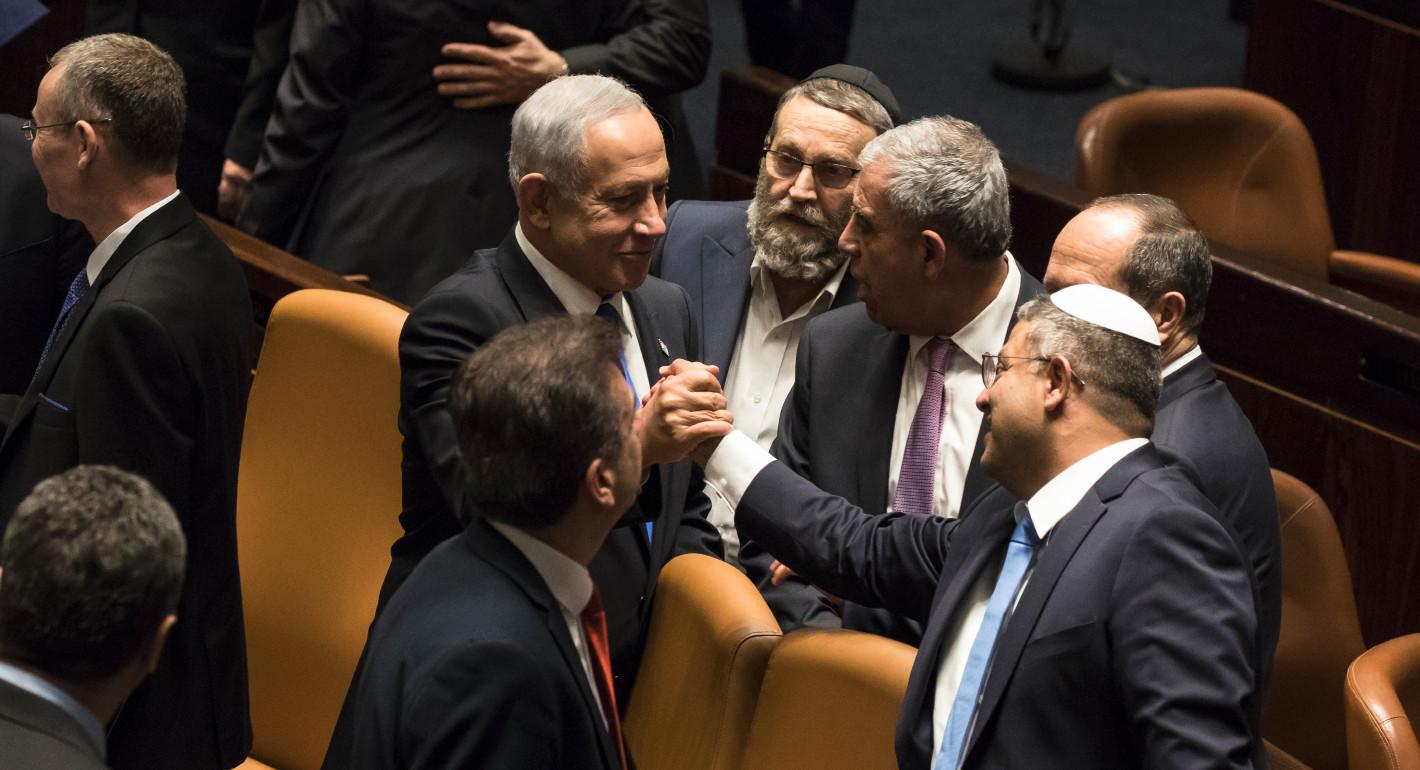
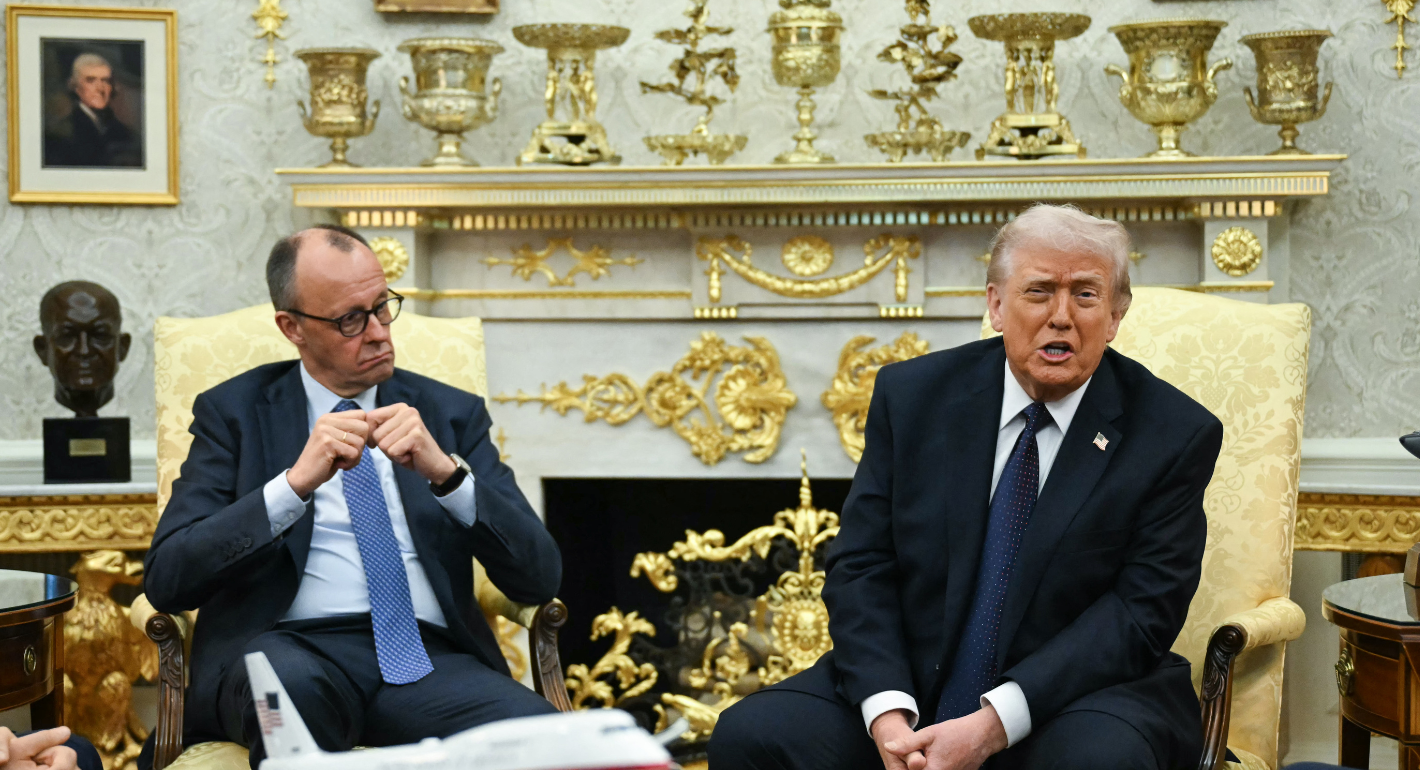
On December 29, shortly after Israel swore in the most right-wing government in its history, journalist Barak Ravid reported that U.S. National Security Advisor Jake Sullivan would soon travel to the region for talks with the new government. These talks offer President Joe Biden’s administration an opportunity not only to clarify U.S. goals and red lines but also to begin to to restore consistency with its rhetoric on human rights and international law and prevent further violent escalations.
The new Israeli government has declared its goal of enforcing the Jewish people’s “exclusive and indisputable rights” in the entirety of Israel and the Palestinian territories, amounting to an intention to consolidate an undemocratic ethnostate. But blaming this all on Netanyahu’s hard-right coalition members, such as National Security Minister Itamar Ben Gvir and Finance Minister Bezalel Smotrich, alone is incorrect. Preventing the creation of a Palestinian state and asserting the exclusive national rights of Jews in the Holy Land have been Israeli Prime Minister Benjamin Netanyahu’s lifetime projects.
The new government’s support for aggressive expansion of settlements in the occupied Palestinian territories is not a break from past policies but the logical culmination of them. The previous government of Naftali Bennett and Yair Lapid may have been less personally corrupt and openly racist than Netanyahu’s, but judged by its behavior—violent escalation against Palestinians in the West Bank, expulsions of Palestinian families, demolition of Palestinian homes, and expansion of settlements on Palestinian land—that government was no less committed to entrenching a one-state reality.
In considering what approach to take in the future, the Biden administration should consider the approach that led here. While U.S. administrations have taken various tacks to the situation, one thing has remained nearly consistent: they have protected Israel from any negative consequences—political, diplomatic, economic, or otherwise—for its illegal policies in the occupied territories. Only carrots are offered and offered again—never sticks. Not since George H.W. Bush’s administration withheld Israeli loan guarantees in 1992 has the United States imposed any meaningful consequences for settlement activities. In the thirty years since, the settler population in the West Bank (excluding East Jerusalem) has grown from an estimated 115,000 in 1992 to over 450,000 today.
This carrot-heavy approach has incentivized further abuses and been detrimental to U.S. efforts to strengthen a rules-based international order in other areas. Turning a blind eye to Israel’s occupation and de facto annexation of parts of Palestine looks hypocritical, especially to communities in the Global South to whom Washington is trying to appeal, as the United States simultaneously leads opposition to Russia’s occupation and illegal annexation of parts of Ukraine.
The administration should immediately and publicly acknowledge the applicability of international law as stated in previous United Nations Security Council resolutions, including UNSC 2334, which was passed at the end of former president Barack Obama’s administration and affirmed that Israel’s actions to change the status of occupied territories is without legal validity. Doing so will clearly signal to the new Israeli government, and to the world, that the United States will not support its undemocratic agenda and potentially strengthen efforts in support of diplomacy and nonviolence.
To that end, the administration should cease offering blanket political cover for Israeli policies at the United Nations and not object to the upcoming advisory opinion of the International Court of Justice relating to the Israeli occupation of Palestinian territory. The United States has more than enough global problems, and expending valuable time and energy preventing legitimate accountability for a partner state should not be a priority.
U.S. domestic law also applies. The administration should review military assistance to Israel to ensure that these funds—over $3.8 billion a year—are consistent with legislation that restricts the use of U.S.-supplied military equipment to legitimate self-defense. Any Israeli security unit found to be in violation of these restrictions should be deemed ineligible for assistance, as required by current U.S. law, unless and until sufficient remedial steps are taken. This is not, as some critics will inevitably claim, applying a double standard to Israel. It is ending a double standard.
In the longer term, the United States should heed calls to center rights and human security in its future engagement with Israel. Several recommendations along these lines can be found in Carnegie’s 2021 paper “Breaking the Israel-Palestine Status Quo,” which urges the administration to prioritize the rights and security of both Israelis and Palestinians and to make clear that the United States will not support any dispensation that fails to guarantee full equality and enfranchisement for all those residing in the territory under Israeli control. This approach holds the best chance for arresting the quickly declining status quo and averting an upsurge in violence, which many in the region believe is imminent. It will also strengthen U.S. consistency and credibility in advocating for normative behavior in matters of international peace and security elsewhere around the world.
Like any government, Israel must be presented with clear consequences for its choices. The approach we are recommending would take time and is likely to incur political costs for the administration, but if the United States wants to be taken seriously when it speaks about human rights and international law, then it must show that it applies the same principles and norms to friends as well as foes.