• Research
  • Emissary
  • About
  • Experts
Carnegie Global logoCarnegie lettermark logo
DemocracyIran
  • Donate
{
  "authors": [
    "Zainab Usman"
  ],
  "type": "legacyinthemedia",
  "centerAffiliationAll": "dc",
  "centers": [
    "Carnegie Endowment for International Peace"
  ],
  "collections": [],
  "englishNewsletterAll": "africa",
  "nonEnglishNewsletterAll": "",
  "primaryCenter": "Carnegie Endowment for International Peace",
  "programAffiliation": "AFP",
  "programs": [
    "Africa"
  ],
  "projects": [],
  "regions": [
    "Southern, Eastern, and Western Africa"
  ],
  "topics": [
    "Economy"
  ]
}
REQUIRED IMAGE

REQUIRED IMAGE

In The Media

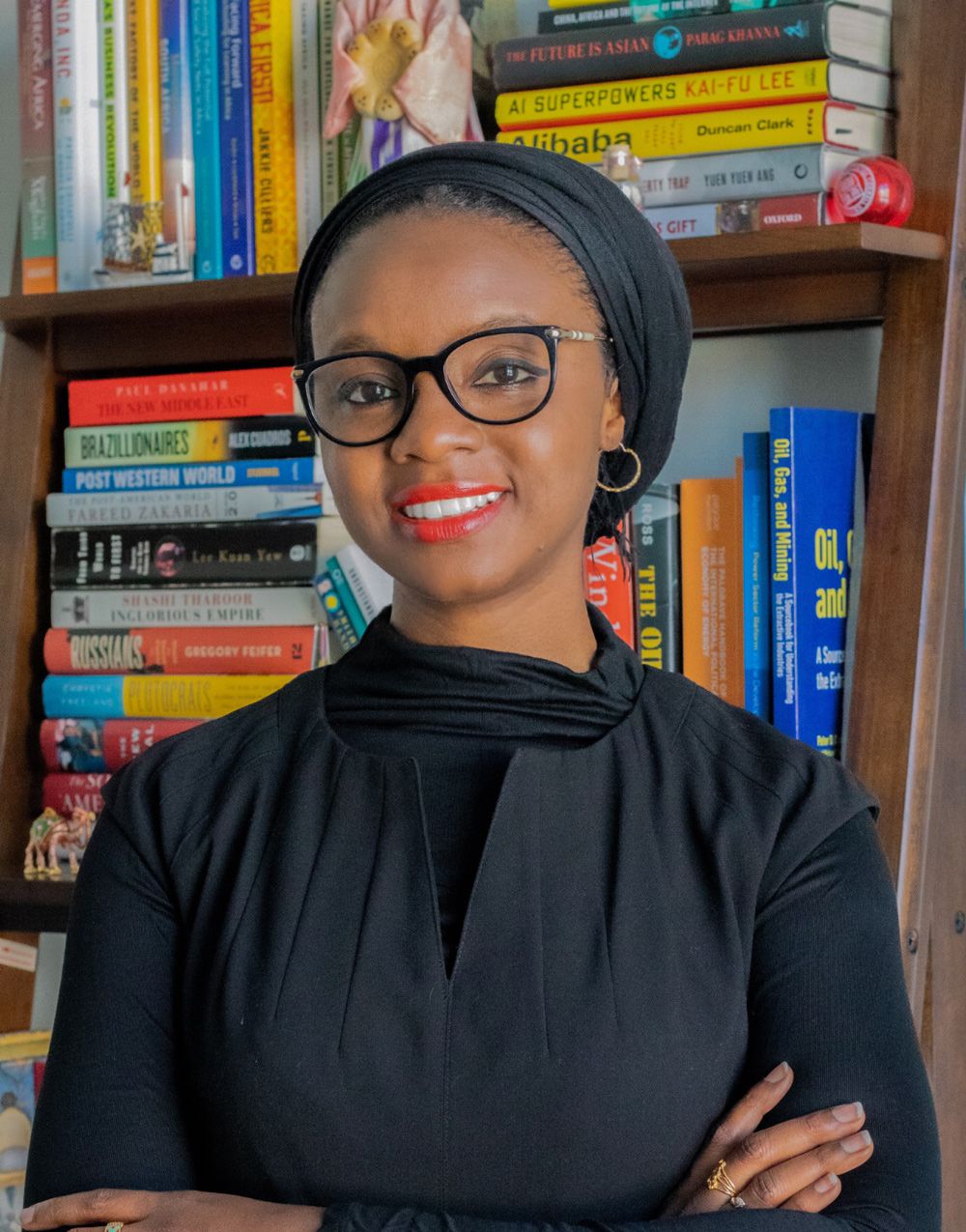
‘Let the Data Guide You’

Nigeria’s future will be determined by how well the country achieves sustained economic growth, diversification and transformation to become an industrialized and high-productivity economy.
Link Copied
By Zainab Usman
Published on Apr 21, 2023
Program mobile hero image

Program

Africa

The Africa Program focuses on economic, political, and transnational issues shaping Africa’s future. By conducting data-driven research, convening high-level dialogues, forging strategic partnerships, and amplifying African voices, the program addresses a crucial knowledge gap on Africa’s role in a changing global environment.

Learn More

The Republic

About the Author

Zainab Usman

Former Director, Africa Program

Zainab Usman was a senior fellow and the inaugural director of the Africa Program at the Carnegie Endowment for International Peace.

    Recent Work
  • Article
    How African Countries Can Harness the Global Policy Reframe from Energy Transition to Energy Security

      Zainab Usman

  • Commentary
    U.S.–South Africa Relations Are on the Brink of Collapse

      Zainab Usman, Anthony Carroll

Zainab Usman
Former Director, Africa Program
Zainab Usman
EconomySouthern, Eastern, and Western Africa

Carnegie does not take institutional positions on public policy issues; the views represented herein are those of the author(s) and do not necessarily reflect the views of Carnegie, its staff, or its trustees.

More Work from Carnegie Endowment for International Peace

  • A white humanoid robot with a black head and hips stands behind a rope barrier. It stands with its feet apart, knees bent, and elbows raised at its sides.
    Commentary
    Europe Is Falling Behind in General-Purpose Robotics. Here’s What It Can Do to Catch Up.

    The continent needs to improve conditions for production of complete AI robotic systems and preserve its edge in hardware.

      Pavlo Zvenyhorodskyi

  • Worker pushing machinery toward a car frame
    Commentary
    Emissary
    Europe’s New Industrial Policy Can Learn From U.S. Mistakes

    Although the IAA often differs from the IRA, European policymakers can still take note of the U.S. act’s shortcomings.

      Milo McBride

  • Trump and Netanyahu speaking
    Commentary
    Emissary
    The Diverging U.S. and Israeli Goals in Iran Are Making the Endgame Even Murkier

    The cracks between Trump and Netanyahu have become more pronounced, particularly over energy and leadership targets.

      • Eric Lob

      Eric Lob

  • Seoul traffic at night
    Commentary
    Emissary
    How the Hormuz Closure Is Testing the Korean President’s Progressive Agenda

    The crisis is not just a story of energy vulnerability. It’s also a complex, high-stakes political challenge.

      Darcie Draudt-Véjares

  • Research
    Planetary vs International Security: Economic Growth at the Crossroads

    Economic growth is at the heart of a dilemma between planetary and international security.

      Olivia Lazard

Get more news and analysis from
Carnegie Endowment for International Peace
Carnegie global logo, stacked
1779 Massachusetts Avenue NWWashington, DC, 20036-2103Phone: 202 483 7600Fax: 202 483 1840
  • Research
  • Emissary
  • About
  • Experts
  • Donate
  • Programs
  • Events
  • Blogs
  • Podcasts
  • Contact
  • Annual Reports
  • Careers
  • Privacy
  • For Media
  • Government Resources
Get more news and analysis from
Carnegie Endowment for International Peace
© 2026 Carnegie Endowment for International Peace. All rights reserved.