

Commentary
Instead, governments should adopt climate-friendly measures to address the impact of rising prices.
Henok Asmelash
{
  "authors": [
    "Musaed  Aklan ",
    "Mohammad Al-Saidi"
  ],
  "type": "commentary",
  "centerAffiliationAll": "",
  "centers": [
    "Carnegie Endowment for International Peace",
    "Malcolm H. Kerr Carnegie Middle East Center"
  ],
  "englishNewsletterAll": "",
  "nonEnglishNewsletterAll": "",
  "primaryCenter": "Malcolm H. Kerr Carnegie Middle East Center",
  "programAffiliation": "",
  "regions": [
    "Yemen",
    "Gulf"
  ],
  "topics": [
    "Climate Change"
  ]
}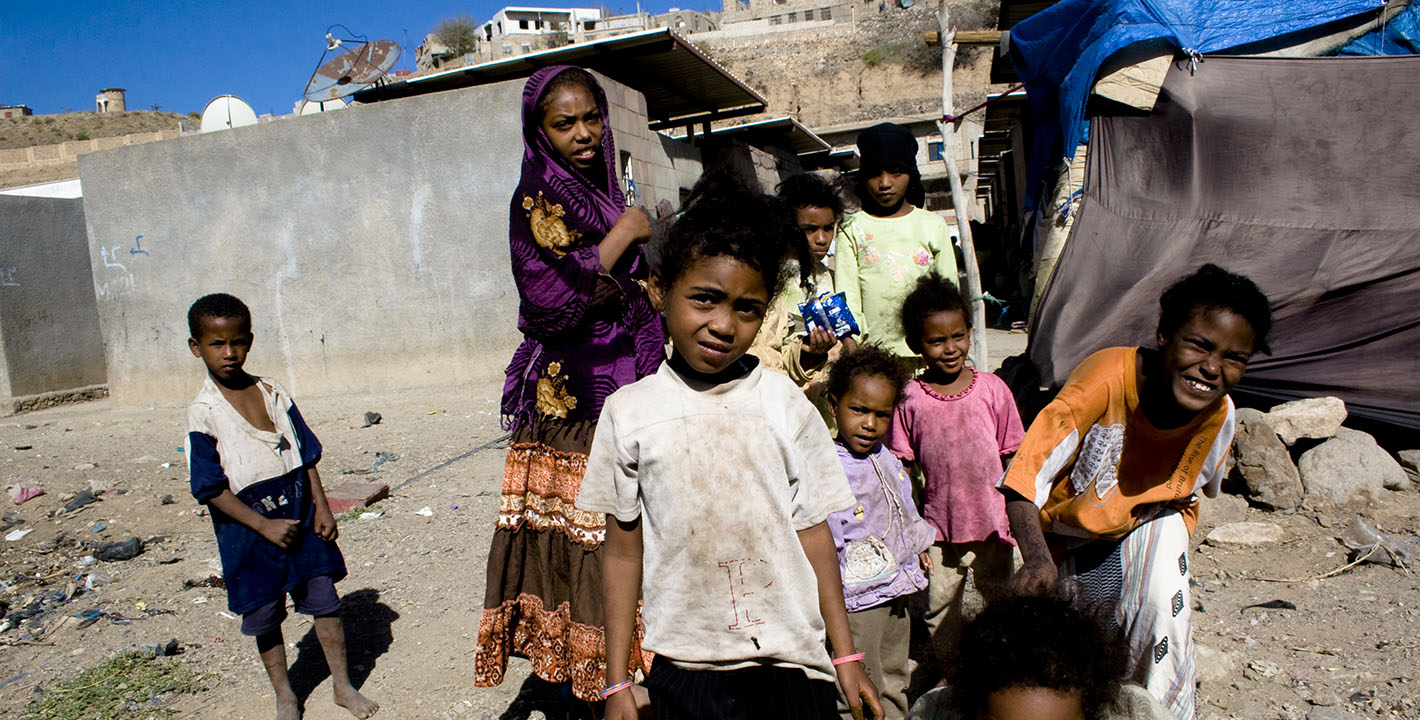
Mathieu Génon from Paris / justdia.org, CC BY-SA 2.0, via Wikimedia Commons
The community already suffers social discrimination, so addressing inequalities requires sustained interventions.
Yemen’s climate crisis is unfolding inside a broader collapse of the country. Years of war, economic breakdown, damaged infrastructure, and policy failures have left Yemen acutely exposed to rising temperatures, erratic rainfall, flash floods, drought, and increasing water scarcity.
The frequency and intensity of heat waves and droughts have also been on the rise, while short downpours and tropical cyclones have become a recurrent phenomenon, causing flash floods that have damaged properties and infrastructure, while also eroding agricultural land. Torrential rains in mid-August 2025 alone affected more than 100,000 people. Illegal drilling continues and most aquifers are overexploited, while reduced freshwater recharge, the rise in sea level, and the unsustainable use of water for agriculture are causing salt intrusion in coastal basins, making groundwater less suitable for drinking and irrigation.
Meanwhile, conflict in the country has decimated water infrastructures, with Sanaa’s water supply, for example, having dropped by 72 percent. Yemen’s food supply, which depends heavily on imports, has been dramatically impacted by war and the militarization of the Red Sea. As a result of these compounded crises and mismanagement, the majority of Yemenis are food-insecure today. In 2025, about 83 percent of the population, or some 24 million people, required food aid amid widespread chronic malnutrition.
The impacts of these pressures are not evenly distributed. They most heavily affected communities are those that have already been pushed outside the country’s systems of protection and representation. Among them are the Muhammasheen, literally “the marginalized,” who stand out as one of the clearest examples of how climate shocks compound social discrimination.
The Muhammasheen occupy an especially underprivileged social category in Yemen. They are barred from tribal networks and have contested origins. Some say they descend from pre-Islamic African slaves or Ethiopian soldiers, while others say they have Yemeni roots. The term Muhammasheen is today the community’s preferred term that has replaced the derogatory word akhdam, or servants.
Estimates vary wildly, but United Nations sources put the community at about 3.5 million people, or 10 percent of Yemen’s total population. Official records largely ignore them, making precise figures difficult to establish. They live mostly in informal urban settlements around main cities, such as Sanaa, Ta’iz, Aden, Hudaydah, and Saada, as well as in some rural peripheries. They cannot legally own property, making their land rights precarious, while their homes are usually built on unregistered land. Many of their settlements are located on slopes, flood plains, or near waste sites. The lack of land tenure also means they cannot use land as collateral or sell property for capital. They maintain endogamous marriage practices. The Muhammasheen suffer from extreme socioeconomic deprivation and systemic discrimination—in work, marriage, and politics—leaving them with very low incomes, generating high levels of poverty, exacerbated by few safety nets. This social isolation, combined with entrenched prejudice, has left the community largely invisible in official records.
The Muhammasheen face formal and informal barriers at every level. Legally, Yemeni law does not explicitly forbid Muhammasheen from enjoying civil rights, but de facto discrimination is pervasive. The community is almost universally denied civil documentation—birth certificates, identification cards (IDs), or nationality papers. Around 78 percent of Muhammasheen adults lack national IDs, excluding them from state programs such as cash transfers, ration cards, and other programs and making their access to basic services far below national averages.
Only 9 percent of Muhammasheen households have piped water (versus 30 percent nationally), and only 42 percent have an in-home latrine. Many must buy trucked water or use communal pumps far from their homes. Waste management in their areas is absent, so that garbage in their neighborhoods is common. Compared to the national average, Muhammasheen areas are more exposed to environmental hazards, such as flood risks, polluted streams, and the burning of trash in open areas, while municipal services are largely absent in their areas. Ironically, the Muhammasheen make up most of the waste collection workers in other urban areas. Many homes lack connections to power grids, and those that have electricity often rely on generators or illegal hookups. Gas and fuel are purchased informally. There are no reliable statistics, but by analogy to water access, electricity coverage is probably well below the national level, which itself is under 50 percent in Yemen.
The Muhammasheen are also outside public health and education networks. Clinics and vaccination campaigns often bypass their communities. When they seek access to such services, they face discrimination or higher fees. With no national ID, they cannot access government health services and education. Small mobile clinics and awareness teams target their neighborhoods, but with very limited capacity. More than 60 percent of Muhammasheen children do not attend school. Only 20 percent of adults can read and write, compared to 60 percent among the general population. The factors leading to this outcome include unaffordable school fees, lack of documentation, long distances to schools, and other forms of discrimination.
Institutionally, the Muhammasheen remain largely unrepresented. Political parties and unions rarely engage with them, and the 2013 National Dialogue Conference included only one communal delegate among its 565 participants. Since 2015, relief agencies have also been slow to target the Muhammasheen specifically, often subsuming them under the broader category of the urban poor. To defend their rights, the Muhammasheen have organized themselves through rights advocacy groups, for example establishing in 1990 the Movement for the Defense of Free Blacks in Ta’iz Governorate, while the government later created government-affiliated organizations, such as the National Union of Muhammasheen, established in 2007. Some organizations have helped eligible Muhammasheen obtain IDs, but many still slip through the cracks. Overall, however, their living conditions have not improved markedly through the years.
Climate shocks have deepened this already dire situation. Many Muhammasheen settlements are located in flood-prone areas, including dry riverbeds and wadis, where heavy rains wash sewage and uncollected waste into camps and destroy fragile homes. Torrential downpours also carry waste from nearby dumps into villages and leave displaced families trapped in mud.
Drought has had the opposite but equally damaging effect, reducing access to clean water and forcing households without piped connections to pay for costly tanker water or queue up at distant water sources. In neighborhoods without sanitation networks, raw sewage often flows in the open and toxic leachate seeps into groundwater, while uncollected garbage is frequently burned, creating respiratory risks. The consequences—diarrhea, cholera, and respiratory illness—hit the poorest families hardest.
Addressing this socioenvironmental inequality requires targeted and sustained interventions. A first step is legal inclusion, through a national program to provide the Muhammasheen with birth certificates and identity documents. This should be accompanied by investment in water, sanitation, and waste services in Muhammasheen neighborhoods. Mobile health and vaccination campaigns must explicitly reach these communities. The authorities should also provide flood-risk mitigation measures, including drainage and safer shelters. Such efforts need to be reinforced by legal aid, penalties to curb discrimination, and stronger safeguards against the obstruction or diversion of aid.
Despite current challenges, partial implementation of these recommendations remains possible through humanitarian actors, local authorities, and community initiatives. Incremental efforts can still achieve meaningful progress and, over time, may help support broader institutional recovery.
This work is licensed under a Creative Commons Attribution 4.0 International License.
For more details regarding the license deed, please visit: CC BY 4.0 Deed | Attribution 4.0 International | Creative Commons.
Musaed Aklan
Mohammad Al-Saidi
Research Associate Professor, Qatar University
Mohammad Al-Saidi is a Research Associate Professor at Qatar University, and currently working on issues ranging from development and the environment to water resources management, and sustainability transitions. He was involved in research projects on Yemen, the Gulf, East Africa, and Jordan. Previously, he worked in research and teaching at the Institute for Technology and Resources Management (ITT) at TH Köln within Arab-German graduate programs, and projects focusing on sustainability issues in the Middle East and Africa.
Carnegie does not take institutional positions on public policy issues; the views represented herein are those of the author(s) and do not necessarily reflect the views of Carnegie, its staff, or its trustees.
Instead, governments should adopt climate-friendly measures to address the impact of rising prices.
Henok Asmelash
Tokyo would have to surmount a lot of obstacles—not least Western sanctions—if it wanted to return Russian oil imports to even modest pre-2022 volumes.

Vladislav Pashchenko
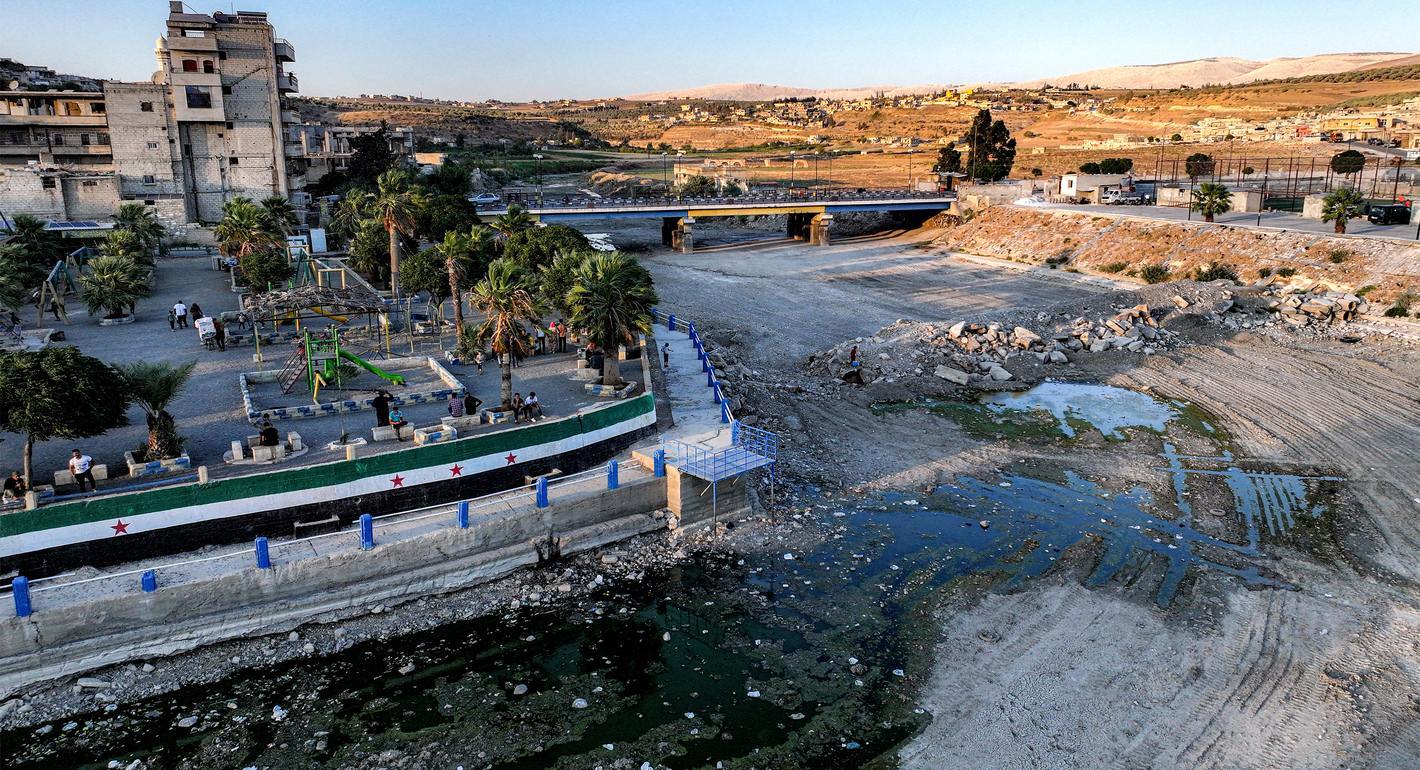
Syria’s worsening drought is no longer a seasonal crisis. This report explains what climate change is doing to rainfall, groundwater, and food security, and what solutions experts say are still possible.
Milia Esper
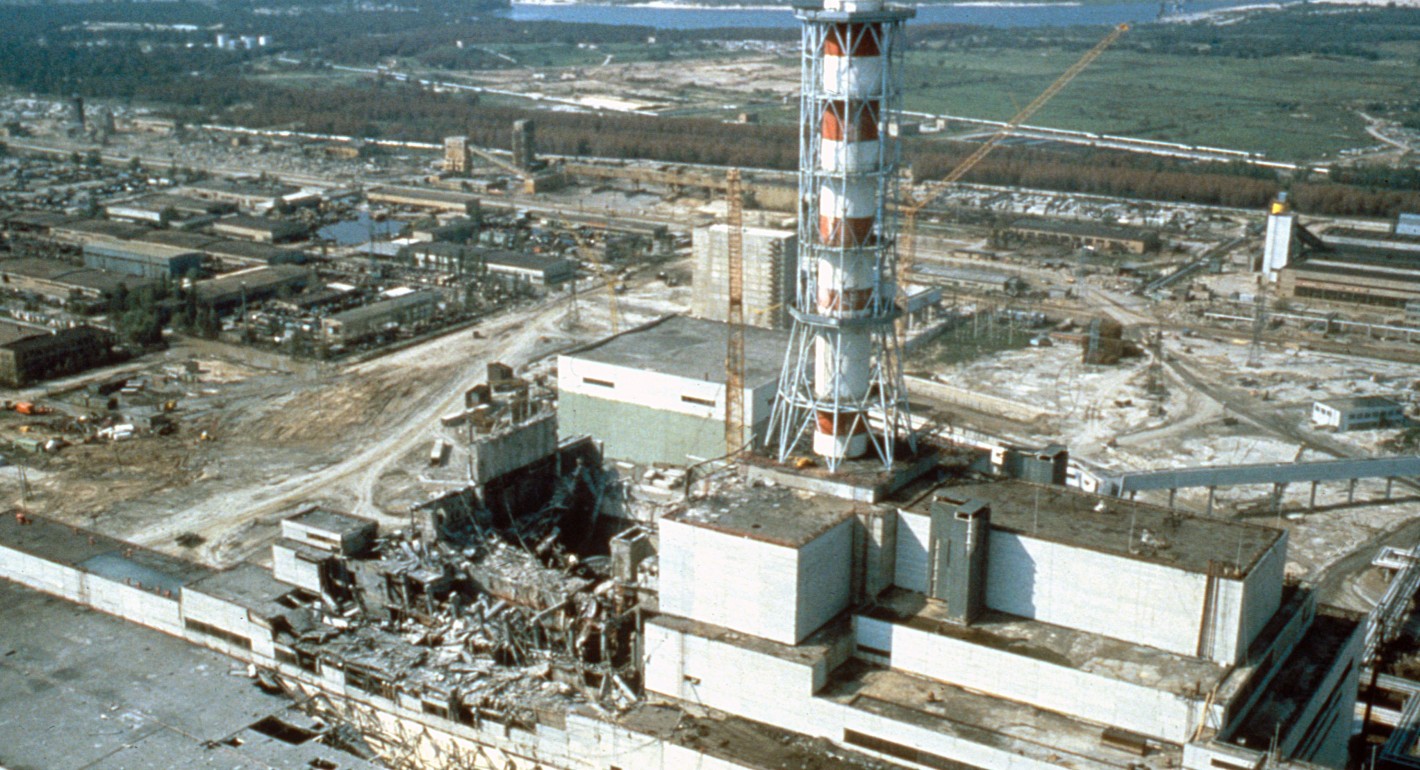
The 1986 incident showed that a nuclear accident anytime is a nuclear accident for all time.
Corey Hinderstein
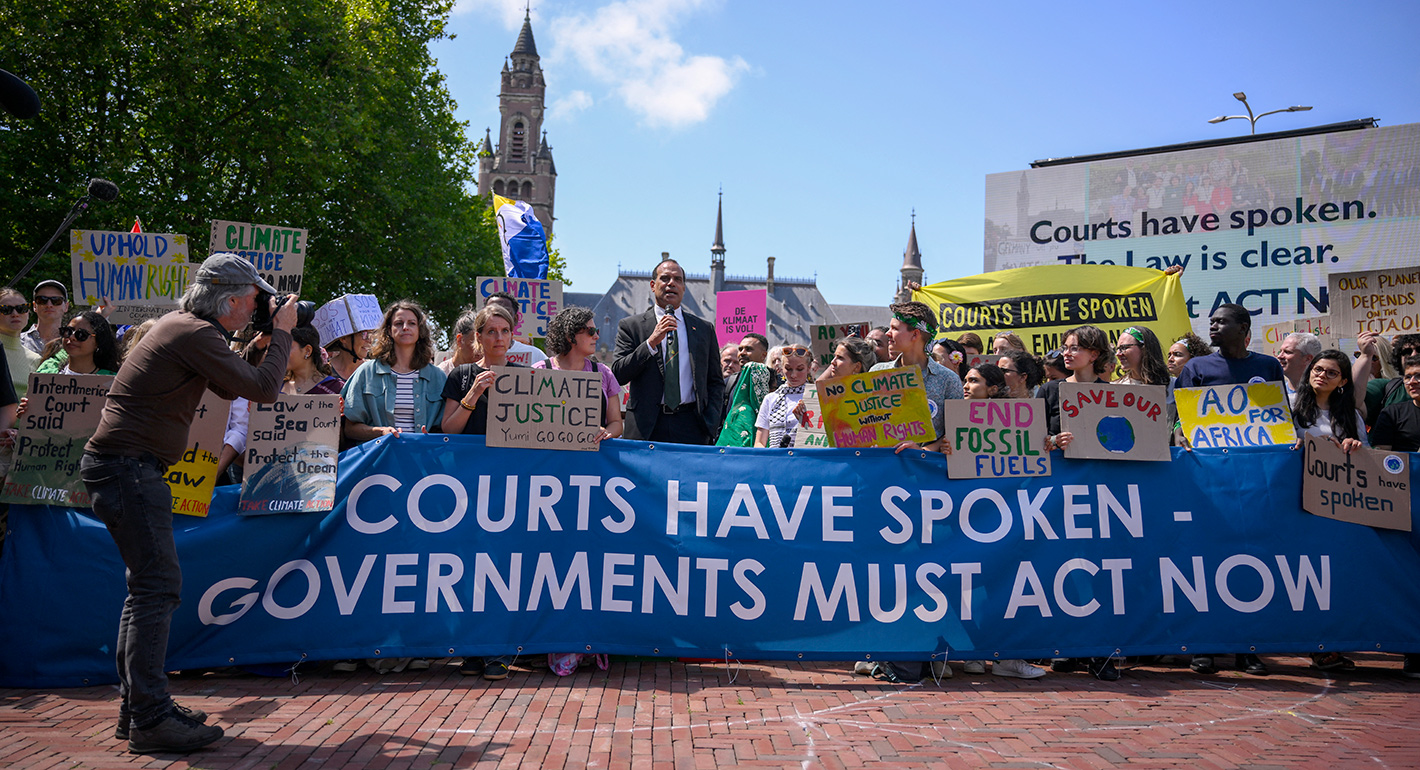
The court’s opinion aims to clarify responsibility and lay out a path to accountability on climate mitigation and adaptation. Yet concrete policy advances have been limited.

Shana Tabak