

Commentary
Arkady Moshes
{
  "authors": [
    "Arkady Moshes"
  ],
  "type": "commentary",
  "centerAffiliationAll": "",
  "centers": [
    "Carnegie Endowment for International Peace",
    "Carnegie Russia Eurasia Center"
  ],
  "englishNewsletterAll": "",
  "nonEnglishNewsletterAll": "",
  "primaryCenter": "Carnegie Russia Eurasia Center",
  "programAffiliation": "",
  "topics": [
    "EU Foreign Policy",
    "Foreign Policy",
    "Global Governance",
    "Security",
    "Military"
  ]
}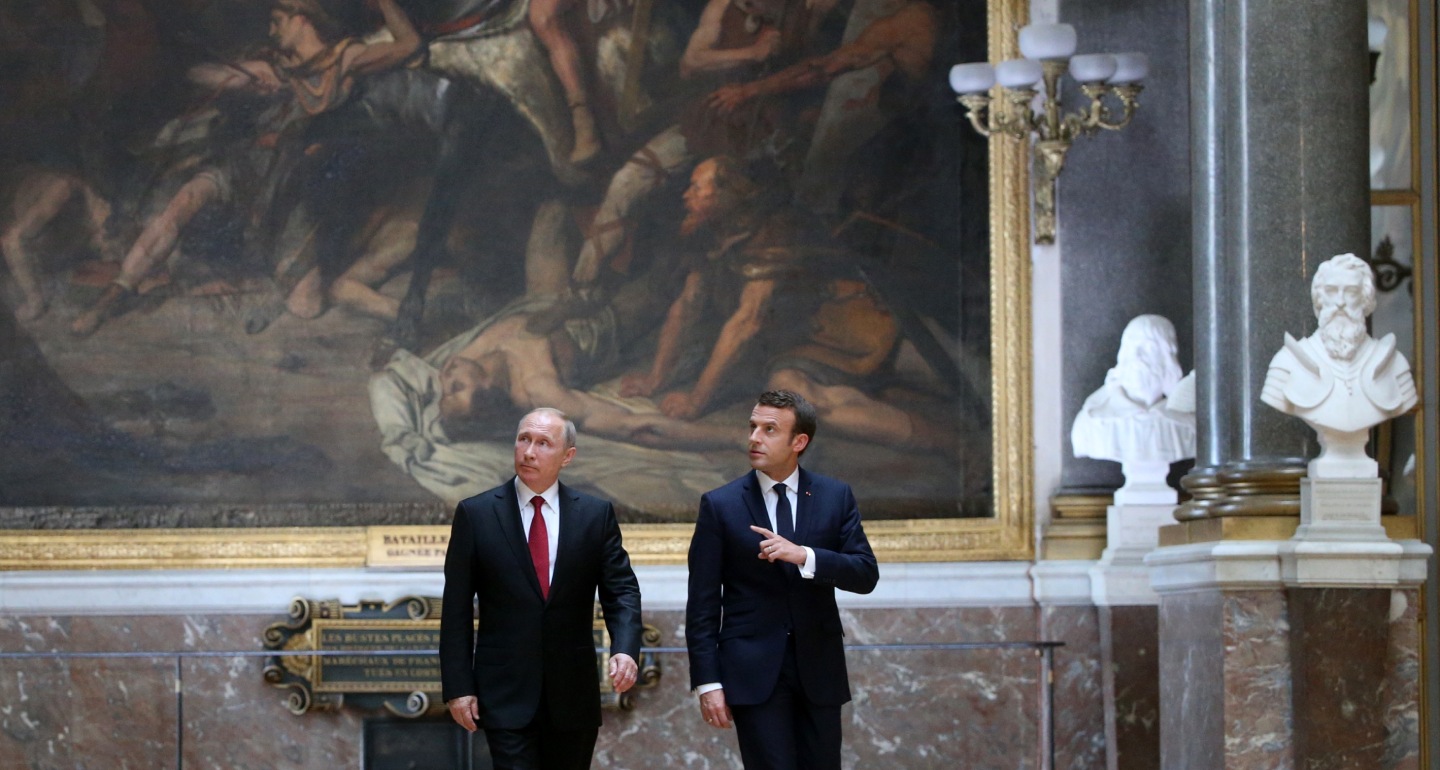
Source: Getty Images
Reestablishing a dialogue with Moscow is not a goal in its own right. The goal is to guarantee the independence of Ukraine and the peace and security of Europe.
The idea that Europe should start direct discussions with Russia on peace in Ukraine is becoming the subject of practical diplomacy. In early June, the ambassadors of France, Germany, and the UK paid a visit to Russia’s Foreign Ministry to raise the issue with Russian diplomats.
This is going to be an uphill struggle, and skepticism is natural and justified. Still, there are considerations—both psychological and material—that will increase the chance of success if taken as guiding principles.
First of all, Europe’s game plan must not be based on the assumption that Ukraine is on its way to a major success on the battlefield while Russia is approaching economic collapse. Although it is true that Ukraine seems to have seized the initiative in aerial warfare, it would be premature to conclude that Russia will not be able to respond effectively. Similar situations have occurred several times during this war. Western weapons such as M777 howitzers and HIMARS rocket launchers have given Ukraine several initial advantages, but every time, Russia has eventually found a way to restore the balance.
As for Russia’s resources, they may not be endless, but they are nowhere near exhaustion. The Kremlin’s recent decision to once again increase the size of the country’s armed forces is further evidence that President Vladimir Putin thinks he has the means to continue the war. Meanwhile, Russia’s partners in the Global South, with China top of the list, remain a source of technology and possibly funds that Moscow can still use. In this situation, it is safer to overestimate an adversary than to underestimate it.
Second, Europe should not aspire to the role of an intermediary between Russia and Ukraine. It should transparently position itself and act as Ukraine’s partner, which it is, and is accordingly how Moscow views it. Any pretense of being a middleman would imply at least showing understanding of Russia’s approach, and maybe even agreeing to put pressure on Kyiv, as Washington did earlier, which was proven wrong and lead to a dead end.
Third, Europe needs to learn the lessons of the past, namely the period of 2014–2022, when Paris and Berlin took the lead in the talks and the very format of negotiations was known as the “Normandy Four.” In particular, it would be helpful to recognize publicly, albeit in hindsight, that Europe’s decision to show leniency toward Russia following its annexation of Crimea, to treat it as a mediator and not an instigator and party to the conflict, to care more about “dialogue,” and not to apply any serious economic sanctions but instead continue economic projects like Nord Stream 2, made Russia’s full-scale invasion of Ukraine more and not less likely. Europe’s conflict-averse line back then gave the Kremlin grounds to believe that the former would eventually give up Ukraine. It’s entirely possible that this thinking has not fully dissipated, even today.
Fourth, banal as it is, no success will be possible unless Europe starts speaking with one voice. It is true that since 2022 it has been demonstrating more unity than anyone expected, but more does not mean enough. EU member states’ interests—from security to energy—are not identical. In addition, some powerful business groups are at least implicitly still willing to lobby for the normalization of relations with Russia. This is why sanctions have been adopted so slowly and half-heartedly, and why actions are not always in keeping with words. Diametrically differing visa policies of individual EU member states as well as the unimpressive results of the campaign to put an end to the operations of Russia’s “shadow fleet” of oil tankers are telling evidence of that.
Fifth, any talks with Russia should not affect Europe’s growing efforts in the field of defense. A reset with Russia, if it ever happens, will take a long time, and strong defense capabilities should provide the Europeans with the clout they are currently lacking.
Sixth, Europe should be assertive in its negotiating tactics. It is imperative to avoid being treated by Moscow as a supplicant. Europe should propose and be ready to make concessions, but it must also make demands. There is no point in launching talks simply to hear the Russian position: The latter is as well known as it is unacceptable. The point is to persuade Putin to make compromises while not conceding too much on Europe’s own matters of principle, as that would grossly devalue Europe’s efforts thus far, not to mention the sacrifice of Ukrainians.
Finally and most importantly, it is essential to remember that reestablishing a dialogue with Moscow is not a goal in its own right. The goal is to guarantee the independence of Ukraine and the peace and security of Europe. Anything less than that is hardly worth the effort.
Director for the Russia, Eastern Europe, and Eurasia research program at the Finnish Institute of International Affairs, Helsinki.
Recent Work
Arkady Moshes
Arkady Moshes
Carnegie does not take institutional positions on public policy issues; the views represented herein are those of the author(s) and do not necessarily reflect the views of Carnegie, its staff, or its trustees.
Washington’s transactional foreign policy is making it indistinguishable from Beijing’s, with consequential implications for African agency.

Jane Munga
Ukraine’s increasingly confrontational posture on Belarus reflects Kyiv’s effort to shape the emerging regional order in Eastern Europe. Kyiv wants to limit European normalization with Minsk—and any future rapprochement with Russia.

Balázs Jarábik
The conventional narrative of the second Trump administration simply repudiating multilateralism is incomplete. The record to date is far more mixed and varies across issue areas and institutions.

Gustavo Romero, Stewart Patrick
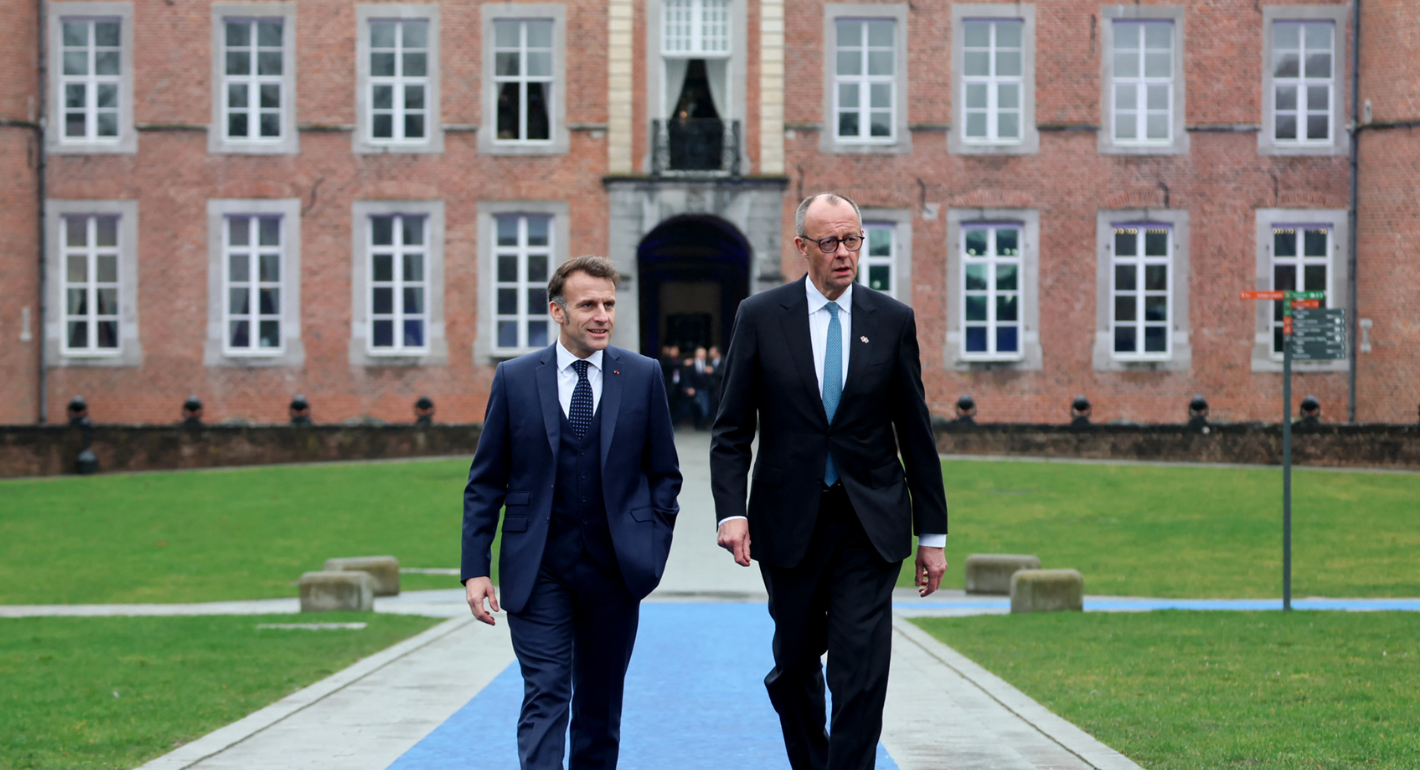
The Franco-German relationship is on the rocks again. But unlike previous moments of tension, the epochal changes on the world stage require that both step up investment in their bilateral ties.

Rym Momtaz

As geopolitical rivalry weaponizes global supply chains, the EU’s true vulnerability lies in emerging-risk imports. For these goods, suppliers are growing more concentrated, substitution more difficult, and political risk is looming.

Sinan Ülgen