• Research
  • Emissary
  • About
  • Experts
Carnegie Global logoCarnegie lettermark logo
DemocracyIran
  • Donate
{
  "authors": [
    "Edward C. Chow"
  ],
  "type": "legacyinthemedia",
  "centerAffiliationAll": "dc",
  "centers": [
    "Carnegie Endowment for International Peace"
  ],
  "collections": [],
  "englishNewsletterAll": "ctw",
  "nonEnglishNewsletterAll": "",
  "primaryCenter": "Carnegie Endowment for International Peace",
  "programAffiliation": "russia",
  "programs": [
    "Russia and Eurasia"
  ],
  "projects": [],
  "regions": [
    "Caucasus",
    "Russia",
    "Eastern Europe"
  ],
  "topics": [
    "Economy"
  ]
}
REQUIRED IMAGE

REQUIRED IMAGE

In The Media

Russian Pipelines: Back to the Future?

Link Copied
By Mr. Edward C. Chow
Published on Jan 16, 2004
Program mobile hero image

Program

Russia and Eurasia

The Russia and Eurasia Program continues Carnegie’s long tradition of independent research on major political, societal, and security trends in and U.S. policy toward a region that has been upended by Russia’s war against Ukraine.  Leaders regularly turn to our work for clear-eyed, relevant analyses on the region to inform their policy decisions.

Learn More

Source: Carnegie

Russian Pipelines: Back to the Future?

In both Soviet and Russian mythology, the health of the country's economy, national power, and influence in the world are directly linked to the performance of its oil and gas industry.

Please click here for a full text of this article.

About the Author

Mr. Edward C. Chow

Former Visiting Scholar

Mr. Edward C. Chow
Former Visiting Scholar
EconomyCaucasusRussiaEastern Europe

Carnegie does not take institutional positions on public policy issues; the views represented herein are those of the author(s) and do not necessarily reflect the views of Carnegie, its staff, or its trustees.

More Work from Carnegie Endowment for International Peace

  • Commentary
    Sada
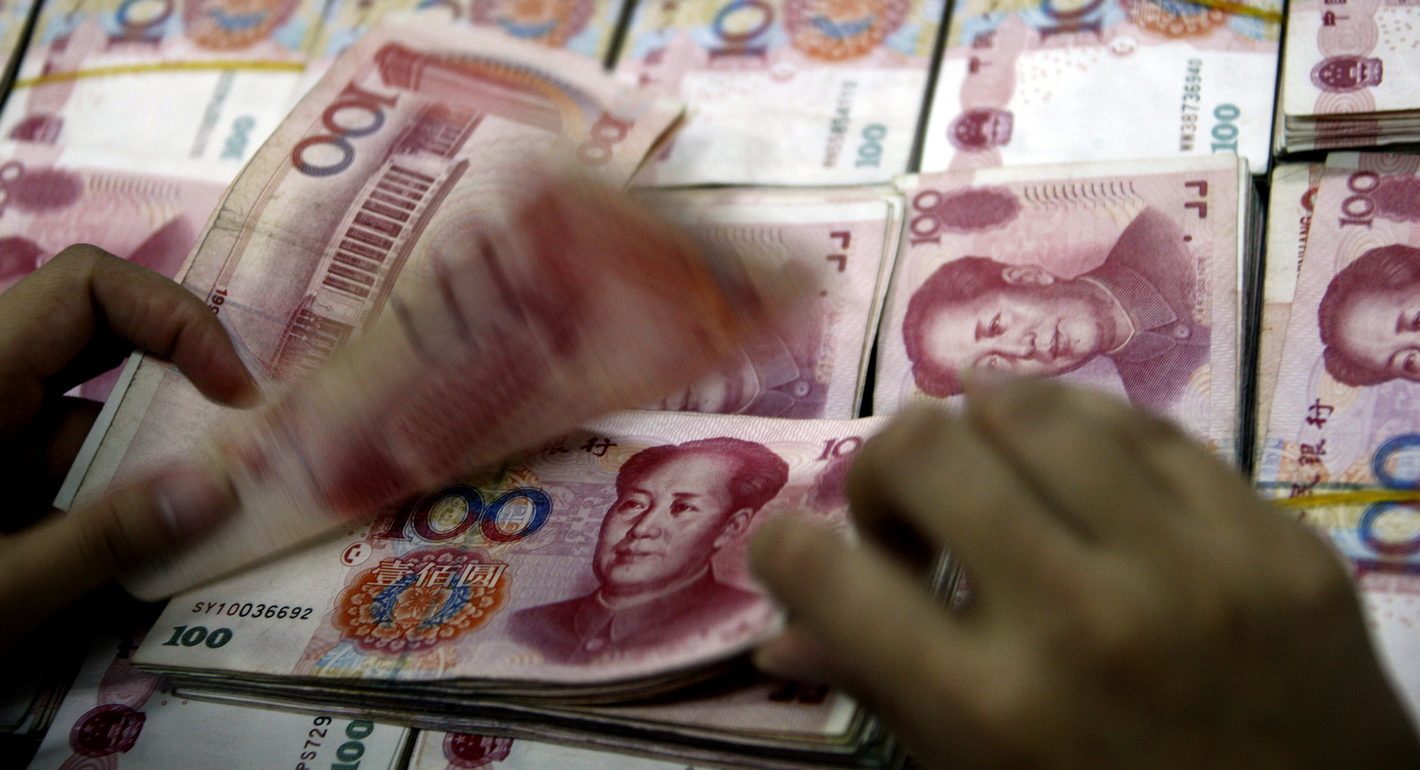
    The Channels of China’s Currency Promotion in Gulf Markets

    Is the Gulf moving beyond the dollar? This article examines how China is expanding the renminbi's role across Gulf markets, what that means for regional finance, and why the future of global currencies is more complex than the de-dollarization debate suggests.

      Andrew Bonney

  • Article
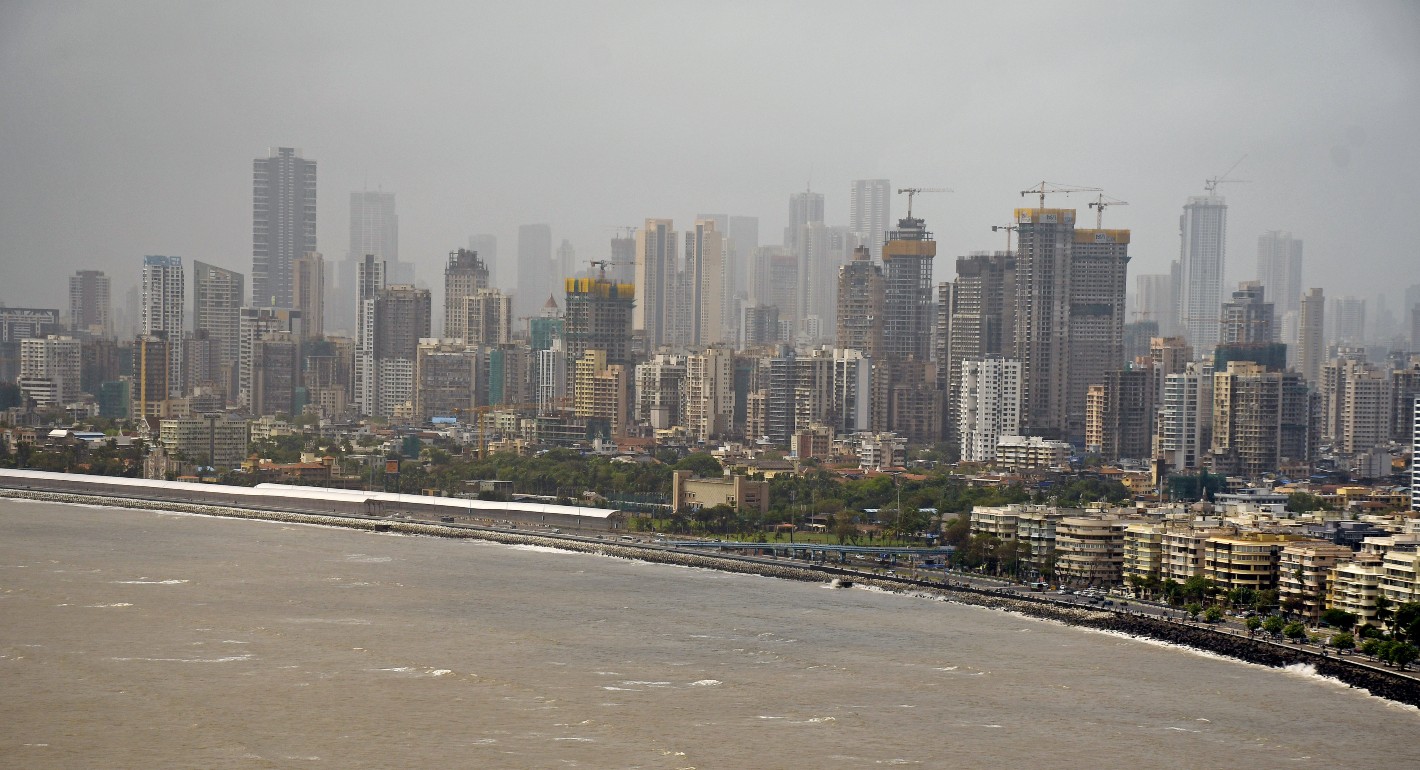
    Unlocking India’s Urban Dividend

    As India undergoes a demographic transition, its cities will be its economic powerhouse—but only if it accurately captures city growth and empowers cities to support their citizens.

      • Apoorva Jadhav

      Apoorva Jadhav

  • Commentary
    Strategic Europe
    Letter from the Editor: Europe Takes Two Steps Forward But One Step Back

    As we close out another season of Strategic Europe, it is worth taking stock of the deep shifts underway.

      • Rym Momtaz

      Rym Momtaz

  • Commentary
    Carnegie Politika
    What Do the Hacked Messages of ‘Putin’s Goddaughter’ Ksenia Sobchak Reveal About Russian Politics?

    Reading the purported correspondence of celebrity Ksenia Sobchak sheds light on her role within the system, and how journalism and politics function in Putin’s Russia.   

      Vladislav Gorin

  • Paper
    Assessing Information Ecosystems: How Governments Can Get Ahead of Hybrid Threats

    The hybrid warfare landscape is evolving rapidly, leaving policymakers without clear strategies. To better inform their work in addressing emerging challenges, governments must dig deeper into the underlying dynamics at play.

      Raluca Csernatoni, Alicia Wanless

Get more news and analysis from
Carnegie Endowment for International Peace
Carnegie global logo, stacked
1779 Massachusetts Avenue NWWashington, DC, 20036-2103Phone: 202 483 7600
  • Research
  • Emissary
  • About
  • Experts
  • Donate
  • Programs
  • Events
  • Blogs
  • Podcasts
  • Contact
  • Annual Reports
  • Careers
  • Privacy
  • For Media
  • Government Resources
Get more news and analysis from
Carnegie Endowment for International Peace
© 2026 Carnegie Endowment for International Peace. All rights reserved.