

Article
Pieter Bottelier
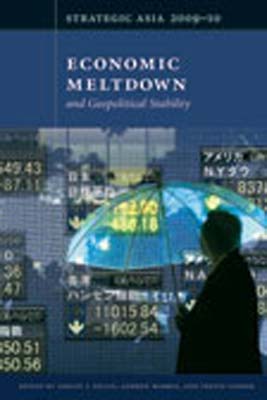
China is emerging from the economic crisis sooner than any other large economy, accelerating its rise as a global leader in the economic and financial arena.
Source: The National Bureau of Asian Research
IMGXYZ2805IMGZYXThe global economic crisis came to China as large scale lay-offs in construction preceded the collapse of exports, which triggered massive additional unemployment. China's strong fiscal situation, low leverage, and relatively strong banks left ample room, however, for aggressive fiscal and monetary stimulus to beat the recession. China is emerging from the crisis sooner than any other large economy, and the crisis will probably accelerate China's rise and expand China's global leadership role in the economic and financial arena.
These developments have several important policy implications:

Former Nonresident Scholar, International Economics Program
Bottelier was a nonresident scholar in Carnegie’s International Economics Program and senior adjunct professor of China studies at the School of Advanced International Studies (SAIS), the Johns Hopkins University. His work currently focuses on China’s economic reform and development.
Recent Work
Pieter Bottelier
Pieter Bottelier
Carnegie does not take institutional positions on public policy issues; the views represented herein are those of the author(s) and do not necessarily reflect the views of Carnegie, its staff, or its trustees.
Although Ukrainian strikes have led to a noticeable decline in the physical volume of Russian oil exports, the rise in prices has more than made up for it.

Sergey Vakulenko
Five problems—and solutions—to make it actually work as a tool of great power competition.

Afreen Akhter
The Russian leadership wants to avoid a dangerous precedent in which it is squeezed out of Iran by the United States and Israel—and left powerless to respond in any meaningful way.

Nikita Smagin
One is hopeful. One is realistic. One is cautionary.

Andrew Leber, Sam Worby
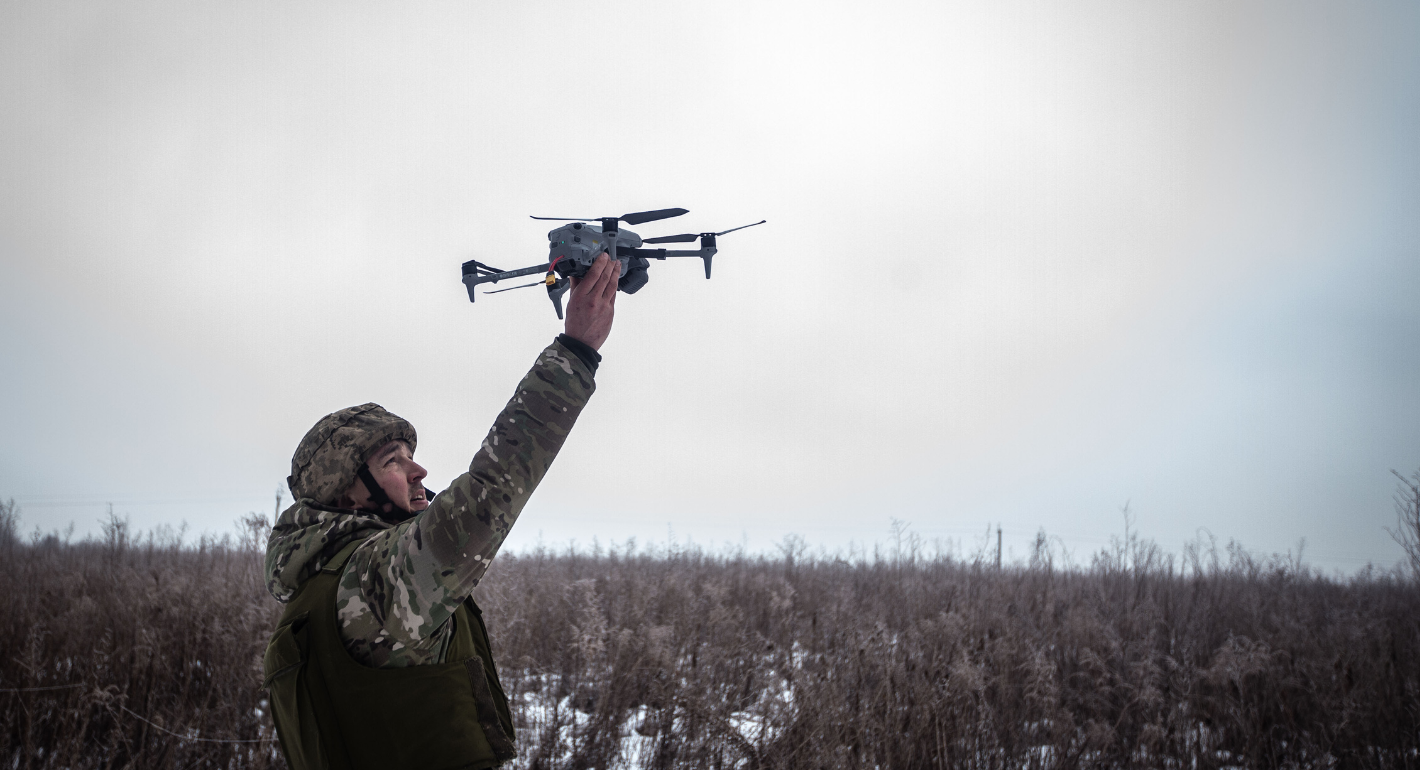
In Ukraine, Gaza, and Iran, AI warfare has come to dominate, with barely any oversight or accountability. Europe must lead the charge on the responsible use of new military technologies.

Raluca Csernatoni