

Q&A
Aaron David Miller, Karim Sadjadpour, Robin Wright
{
  "authors": [
    "Karim Sadjadpour"
  ],
  "type": "legacyinthemedia",
  "centerAffiliationAll": "dc",
  "centers": [
    "Carnegie Endowment for International Peace",
    "Malcolm H. Kerr Carnegie Middle East Center"
  ],
  "collections": [
    "Iranian Proliferation"
  ],
  "englishNewsletterAll": "menaTransitions",
  "nonEnglishNewsletterAll": "",
  "primaryCenter": "Carnegie Endowment for International Peace",
  "programAffiliation": "MEP",
  "programs": [
    "Middle East"
  ],
  "projects": [],
  "regions": [
    "North America",
    "United States",
    "Middle East",
    "Iran",
    "Israel",
    "Saudi Arabia",
    "Gulf"
  ],
  "topics": [
    "Political Reform",
    "Foreign Policy",
    "Nuclear Policy"
  ]
}
Source: Getty
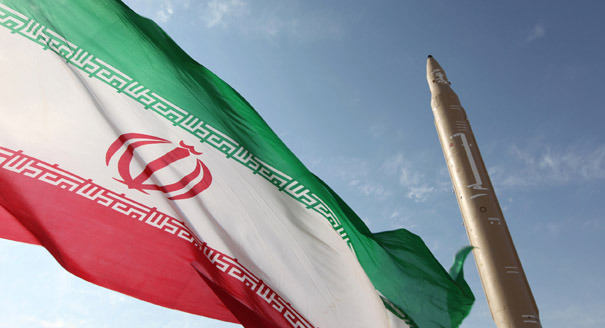
The Iran deal signed last week is significant. However, major obstacles and serious concerns among regional countries remain.
Source: KCRW’s To the Point
Speaking on KCRW’s To the Point, Carnegie’s Karim Sadjadpour explained that the Iranian deal announced last week has important implications. Assuming that a deal is signed following the June deadline, and that the deal continues to work for several years, there is still a valid concern that it would be hard to reconstitute sanctions against Iran should Iran return to harmful nuclear activities, he said. He added that there are also concerns that the Iranians may not be working on the same framework laid out by the U.S. Listening to the Iranian interpretation of the nuclear deal signed last week shows some discrepancies that would need to be worked out, he said.
U.S. allies in the Middle East, particularly Israel and the Arab states in the Persian Gulf, are concerned about the nuclear deal, Sadjadpour continued. It is expected that over the coming weeks and months, there will be a “tremendous U.S. outreach” towards those allies to talk about security pacts and calm their fears. The Obama administration is under pressure to prove that the nuclear deal is “not an acquiescence” in the face of Iran’s nuclear program and its troublesome regional activities, Sadjadpour added.
People may have unrealistic implications over what this deal means for Iran’s economy, Sadjadpour continued. Large Western multinational companies are unlikely to do business in Iran soon—instead they will probably take a wait-and-see approach. However, Chinese, Indian, and smaller European companies may “dip their toes in the water.” Iran is an attractive economy to the outside world as it has 75-80 million educated and Westernized consumers. This arguable makes Iran the largest market that is still isolated from globalization, he concluded.

Senior Fellow, Middle East Program
Karim Sadjadpour is a senior fellow at the Carnegie Endowment for International Peace, where he focuses on Iran and U.S. foreign policy toward the Middle East.
Recent Work


Aaron David Miller, Karim Sadjadpour, Robin Wright
Aaron David Miller, David Petraeus, Karim Sadjadpour
Carnegie does not take institutional positions on public policy issues; the views represented herein are those of the author(s) and do not necessarily reflect the views of Carnegie, its staff, or its trustees.
Baku’s backing for Ukraine is less about confronting Russia than about quietly broadening the mix of partners it relies on.

Zaur Shiriyev
Tehran may conclude that its ability to disrupt the global economy via the Strait of Hormuz provides enough deterrence to begin quietly rebuilding its nuclear program.
Jane Darby Menton, Mohammad Ayatollahi Tabaar
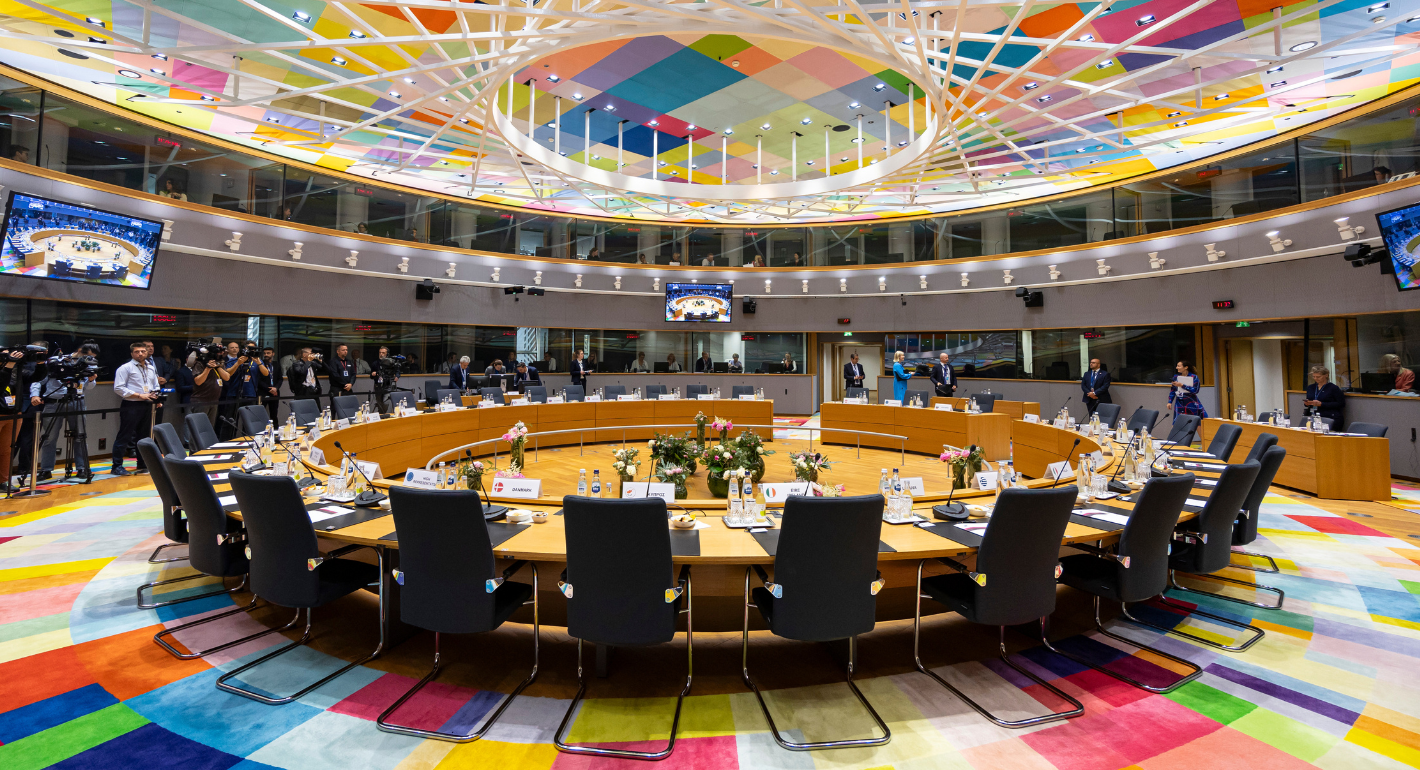
Countries face several hurdles in joining the EU, including the final stage of ratifying their accession treaties. Procedural reforms and substantive adjustments could help move the process forward.

Stefan Lehne
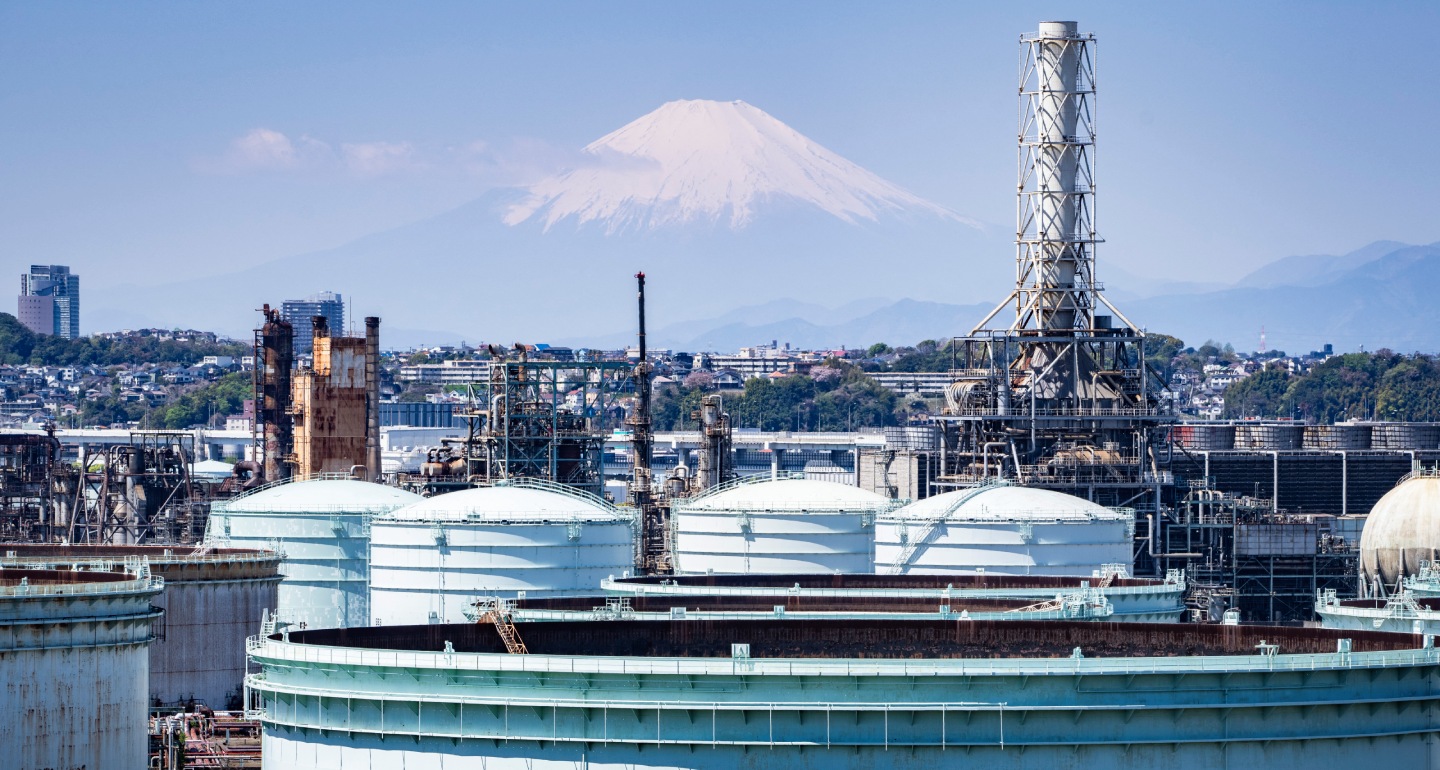
Tokyo would have to surmount a lot of obstacles—not least Western sanctions—if it wanted to return Russian oil imports to even modest pre-2022 volumes.
Vladislav Pashchenko
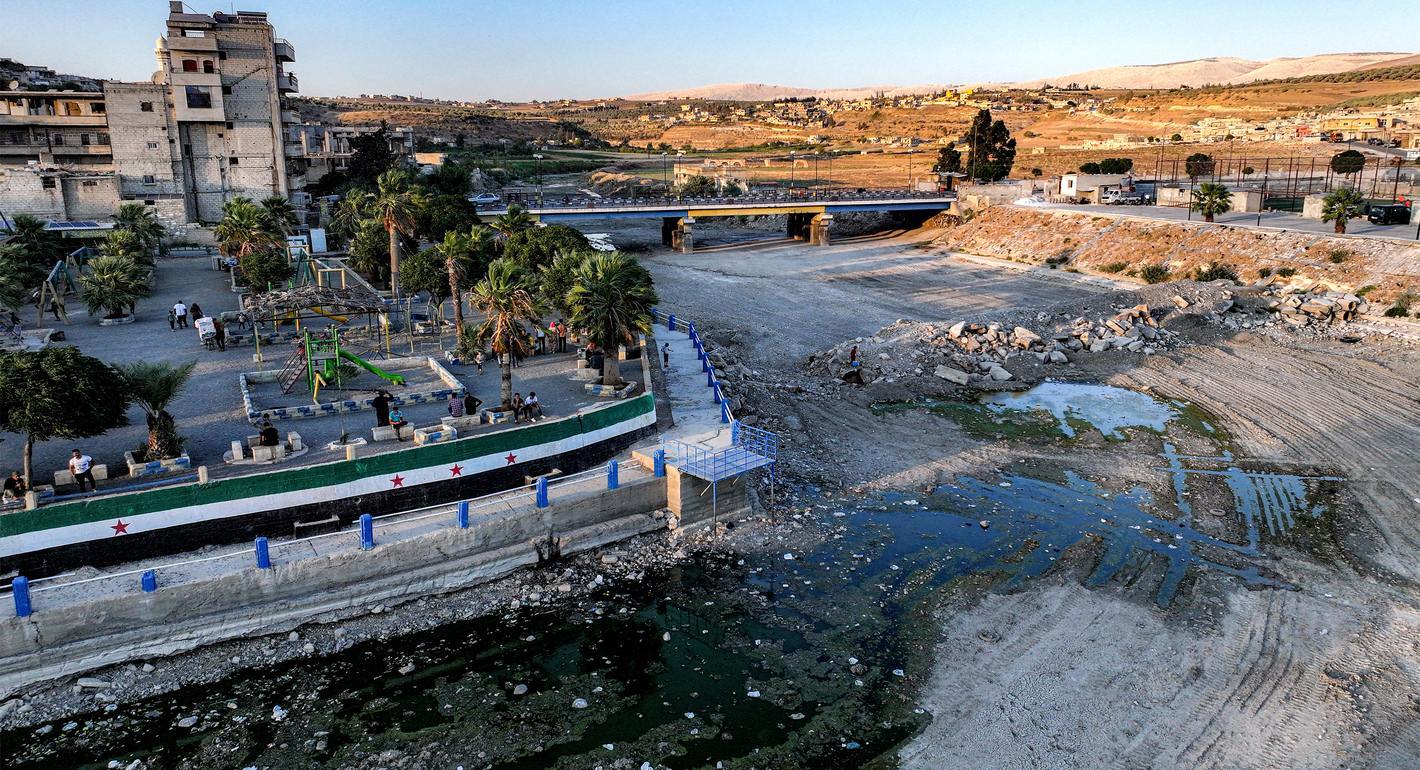
Syria’s worsening drought is no longer a seasonal crisis. This report explains what climate change is doing to rainfall, groundwater, and food security, and what solutions experts say are still possible.
Milia Esper