

In The Media
Jessica Tuchman Mathews
{
  "authors": [
    "Jessica Tuchman Mathews"
  ],
  "type": "other",
  "centerAffiliationAll": "dc",
  "centers": [
    "Carnegie Endowment for International Peace"
  ],
  "collections": [],
  "englishNewsletterAll": "ctw",
  "nonEnglishNewsletterAll": "",
  "primaryCenter": "Carnegie Endowment for International Peace",
  "programAffiliation": "SCP",
  "programs": [
    "Sustainability, Climate, and Geopolitics"
  ],
  "projects": [
    "Carnegie Oil Initiative"
  ],
  "regions": [
    "North America",
    "United States",
    "Western Europe"
  ],
  "topics": [
    "Climate Change"
  ]
}
Source: Getty
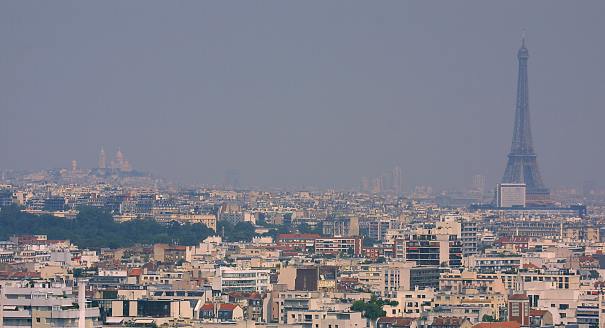
People cannot advocate the removal of subsidies for renewable energy until they do so for equally problematic fossil-fuel subsidies.
Source: Economist
Your prescriptions for tackling global warming offered anything but the “clear thinking” you called for (“Clear thinking needed”, November 28th). “Generous subsidies” for renewable energy “have achieved only a little and at great cost,” you wrote. Carbon pricing would accomplish more and do so “much more efficiently than subsidies for renewables.” That is true, but you ignore the 800-pound gorilla in this room, namely, subsidies for fossil fuels.
The International Energy Agency’s “World Energy Outlook 2015” pegs global fossil-fuel subsidies at $490 billion and those for renewables at $135 billion. The IMF, which includes in its calculation the failure to account for negative externalities of energy use (what it calls “post-tax subsidies”), pegs global energy subsidies at $5.3 trillion, most of it for fossil fuels.If the much smaller subsidies for renewables, many of which are young, evolving technologies, “perpetuate today’s low-carbon technologies” when the goal should be to “usher in tomorrow’s”, how would you describe the huge subsidies for fossil fuels that are the heart of the problem?
Put this way, the argument may allow you to poke a finger at those who practise “green theology,” but it is a serious distortion of the real issue and its needed corrective.

Distinguished Fellow
Mathews is a distinguished fellow at the Carnegie Endowment for International Peace. She served as Carnegie’s president for 18 years.
Recent Work
Jessica Tuchman Mathews
Jessica Tuchman Mathews
Carnegie does not take institutional positions on public policy issues; the views represented herein are those of the author(s) and do not necessarily reflect the views of Carnegie, its staff, or its trustees.
Policy discussion is ignoring that the Palestinian national project is hollowed out and apartheid is a present danger.

Nathan J. Brown

The EU’s new migration policy is not suited to today’s realities. With climate change increasingly becoming a driver of displacement, Europe needs to rethink its deterrence-focused approach.

Shana Tabak
As negotiations with Iran and Lebanon continue, chaos is at the heart of the Netanyahu government’s calculations.

Michael Young

The battle over free speech has taken center stage since U.S. Vice President JD Vance accused Europe of censorship. From travel bans to social media regulation, especially around the Israel-Palestine conflict, are liberal democratic governments weaponizing free speech?

Rym Momtaz, ed.
Beijing regulated AI—and then Chinese AI companies took off.

Matt Sheehan