

Commentary
This year’s wars have made alternative routes to transit through Russia no less risky for Central Asian countries.
Galiya Ibragimova
{
  "authors": [
    "Joseph Bahout",
    "Steven Cook",
    "Shadi Hamid",
    "Rachel Havrelock",
    "Emad Shahin",
    "Galip Dalay"
  ],
  "type": "other",
  "centerAffiliationAll": "dc",
  "centers": [
    "Carnegie Endowment for International Peace"
  ],
  "collections": [
    "Arab Awakening"
  ],
  "englishNewsletterAll": "menaTransitions",
  "nonEnglishNewsletterAll": "",
  "primaryCenter": "Carnegie Endowment for International Peace",
  "programAffiliation": "MEP",
  "programs": [
    "Middle East"
  ],
  "projects": [],
  "regions": [
    "Middle East",
    "Israel",
    "North Africa",
    "Iraq",
    "Lebanon",
    "Jordan",
    "Palestine",
    "Syria"
  ],
  "topics": [
    "Political Reform"
  ]
}
Source: Getty
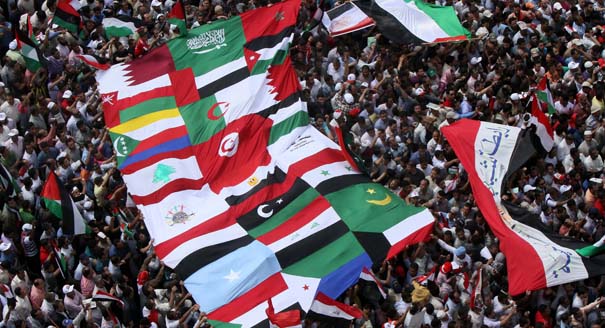
One hundred years after the division of the Middle East, the effects of the Sykes-Picot agreement are still playing out across the region.
Source: Foreign Affairs
The Sykes-Picot agreement that divided the Middle East one hundred years ago has profoundly impacted the political history and trajectory of the modern Middle East. Speaking with Foreign Affairs, Carnegie's Joseph Bahout assessed the consequences of this historic agreement.
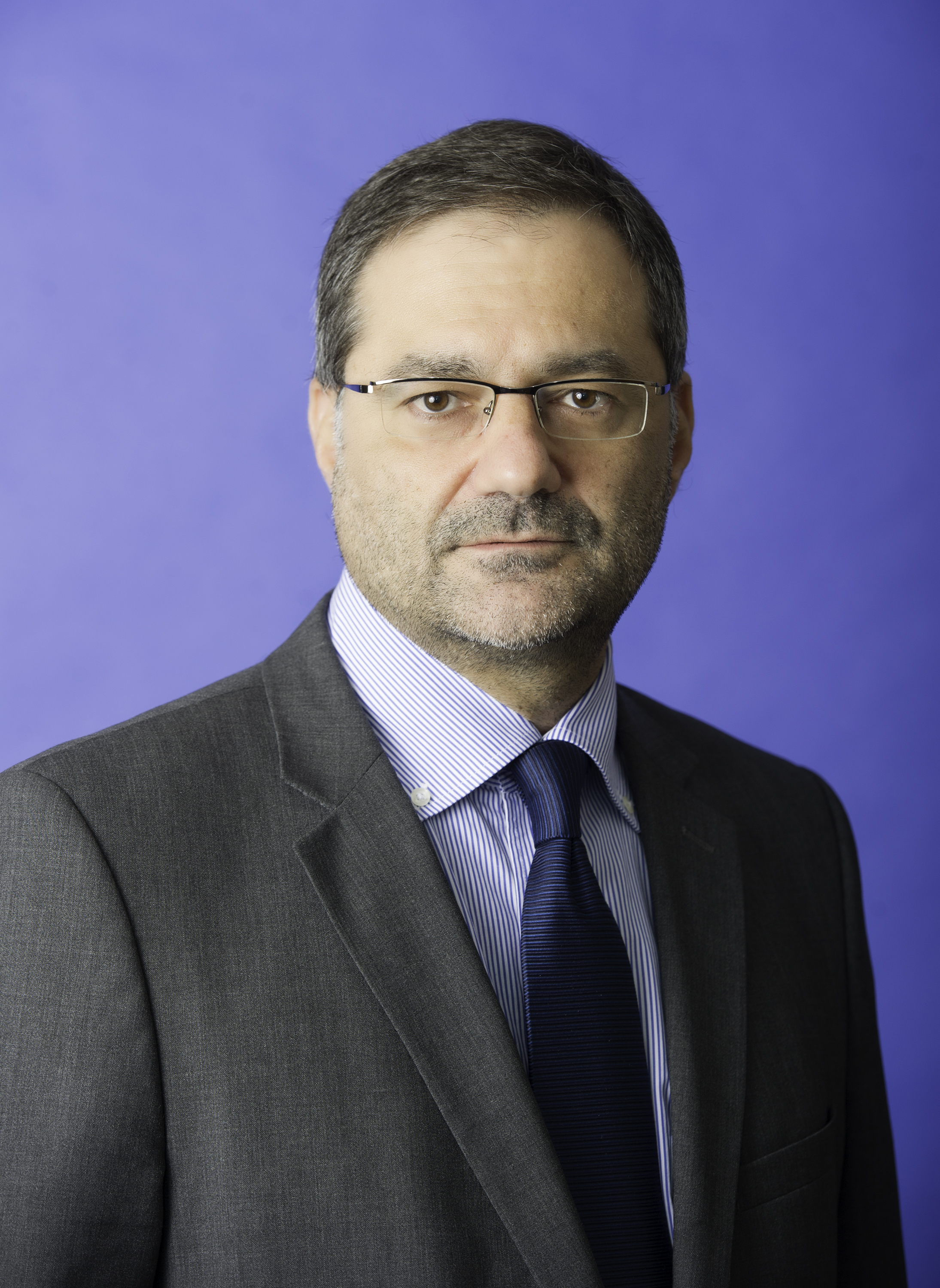
Former Nonresident Fellow, Middle East Program
Joseph Bahout was a nonresident fellow in Carnegie’s Middle East Program. His research focuses on political developments in Lebanon and Syria, regional spillover from the Syrian crisis, and identity politics across the region.
Steven Cook
Shadi Hamid
Shadi Hamid is a senior fellow in the Project on U.S. Relations with the Islamic World in the Center for Middle East Policy. He served as director of research at the Brookings Doha Center until January 2014.
Rachel Havrelock
Emad Shahin
Galip Dalay
Carnegie does not take institutional positions on public policy issues; the views represented herein are those of the author(s) and do not necessarily reflect the views of Carnegie, its staff, or its trustees.

This year’s wars have made alternative routes to transit through Russia no less risky for Central Asian countries.

Galiya Ibragimova
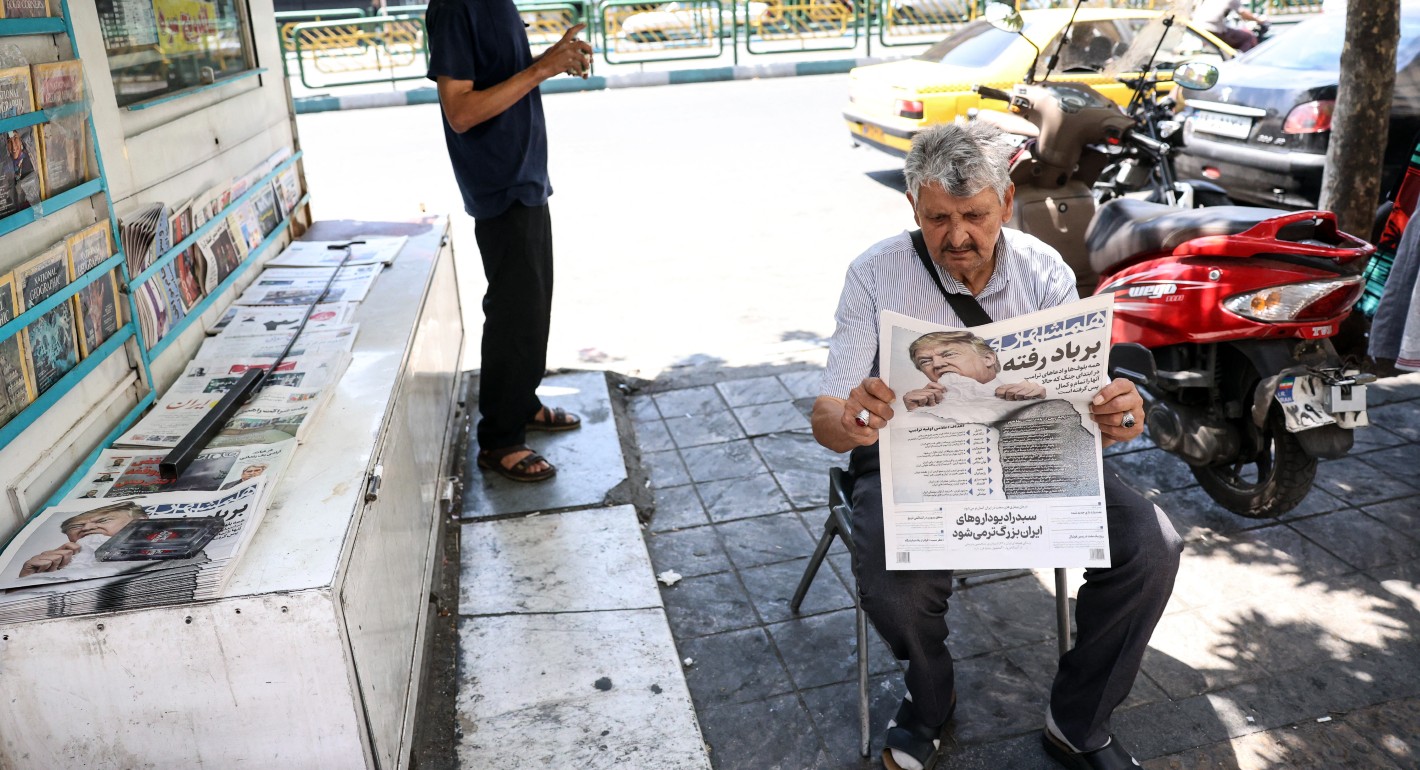
The United States and Israel may have unwittingly revived the Islamic Republic’s “zombie regime.”



Suzanne Maloney, Aaron David Miller, Karim Sadjadpour
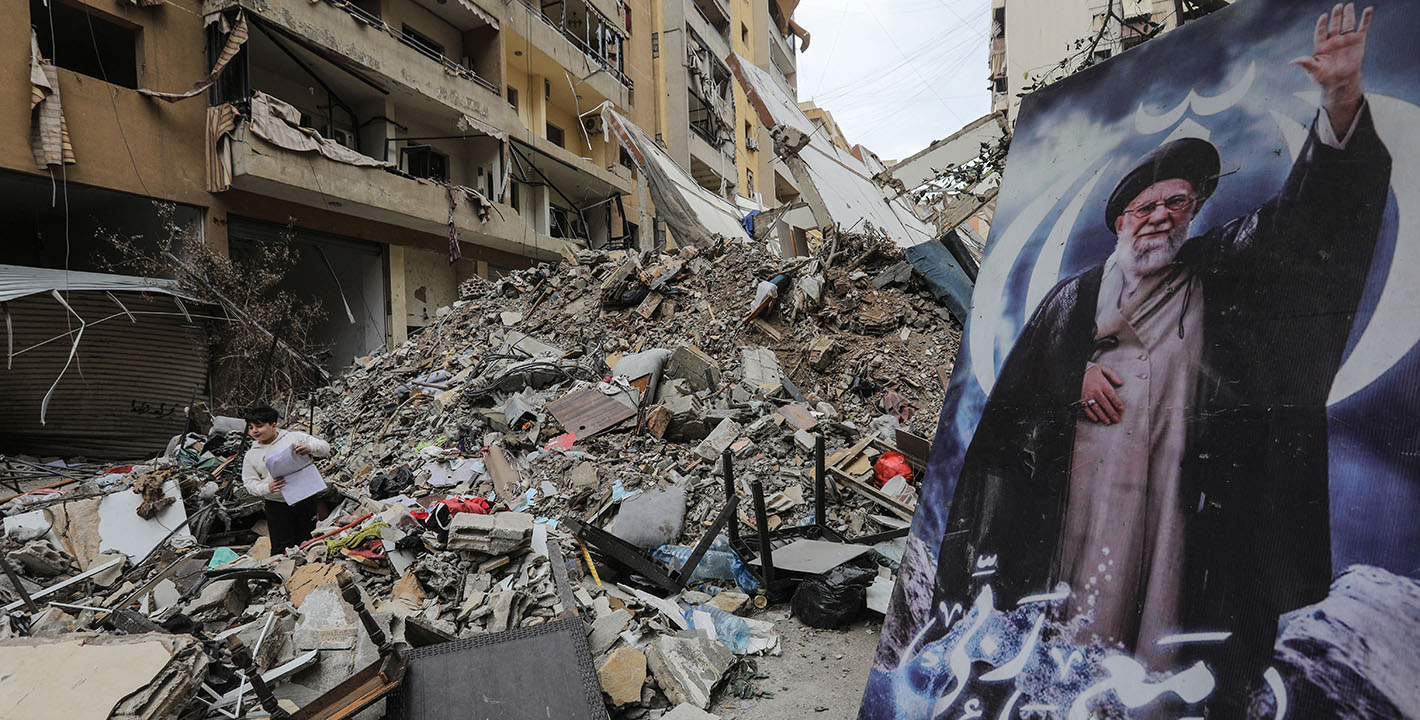
As talks begin between Washington and Tehran, Beirut has an opening to advance a regional plan for the party’s disarmament.

Michael Young
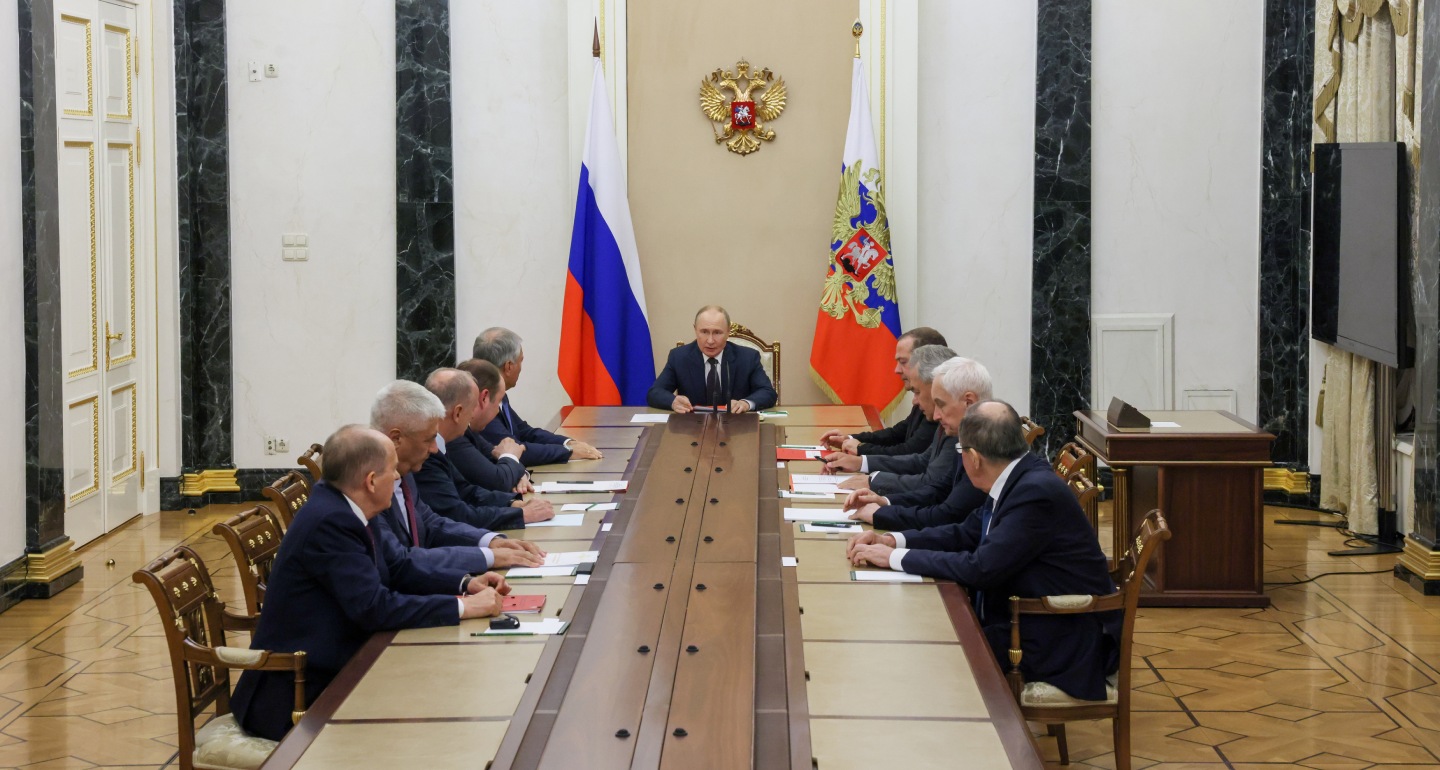
The ruling elites in contemporary Russia are not a political class, but a community of managers who are not subject to competition or public accountability. The state is becoming an operating apparatus without any internal autonomy.

Alexandra Prokopenko

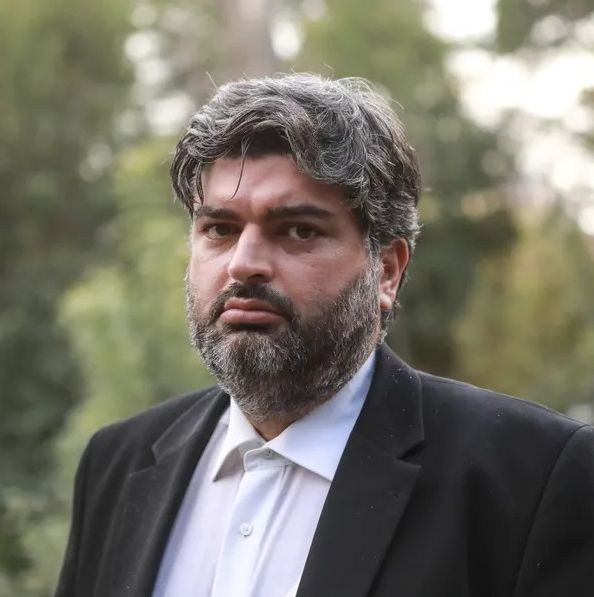
Pashinyan’s pro-European party has been re-elected with a decisive victory. But the pro-Russian opposition could still slow Armenia’s progress toward peace with Azerbaijan and rapprochement with Europe.
Mikayel Zolyan