

Commentary
It’s time to build momentum, and Ankara is the venue of the next opportune diplomatic window to do this.
Alper Coşkun, Garo Paylan
{
  "authors": [
    "David Livingston",
    "Sagatom Saha"
  ],
  "type": "legacyinthemedia",
  "centerAffiliationAll": "dc",
  "centers": [
    "Carnegie Endowment for International Peace",
    "Malcolm H. Kerr Carnegie Middle East Center"
  ],
  "collections": [],
  "englishNewsletterAll": "ctw",
  "nonEnglishNewsletterAll": "",
  "primaryCenter": "Carnegie Endowment for International Peace",
  "programAffiliation": "SCP",
  "programs": [
    "Sustainability, Climate, and Geopolitics"
  ],
  "projects": [
    "Carnegie Oil Initiative"
  ],
  "regions": [
    "Middle East",
    "Saudi Arabia",
    "Gulf",
    "North America"
  ],
  "topics": [
    "Economy",
    "Climate Change"
  ]
}
Source: Getty
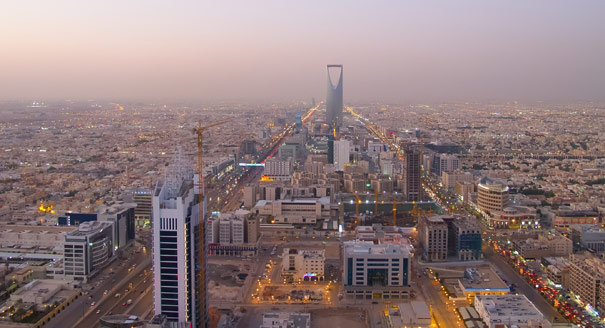
To promote Saudi Arabia’s push toward renewable energy, the United States should help the kingdom transform itself from petro-state to participant in the global clean energy market.
Source: Foreign Affairs
U.S. President Donald Trump’s visit to Saudi Arabia last month cast attention on a kingdom in transition. The country is currently working to transform its vast oil wealth into a modern, sustainable economy fit for the twenty-first century. Central to this goal is a transformation of the Saudi energy sector, which the National Renewable Energy Program was recently established to help bring about. Saudi Energy Minister Khalid al-Falih recently announced that under NREP, Riyadh aims to deploy 9.5 gigawatts of renewable energy capacity by 2023 and attract $30 billion to $50 billion of investment in renewables by 2030.
Despite the fanfare these announcements have received, skepticism about their attainability is warranted. Saudi Arabia and the broader region face technical, institutional, and economic challenges in reaching such lofty renewable targets. Indeed, Riyadh initially floated even more ambitious goals, only to scale them back when crude prices fell dramatically below the $150 per barrel mark that planners were anticipating.
The motivations behind Saudi Arabia’s renewables revolution are clear. Wind and solar power are needed to displace power generation from oil and oil products. Saudis rely almost entirely on domestic crude oil, diesel, and natural gas for electricity. At current rates, domestic demand is projected to cut up to two million barrels a day from oil exports by 2020. Riyadh is already taking concrete steps in response. In February, Saudi Arabia solicited tenders for a 300 megawatt solar project and a 400 megawatt wind project representing NREP’s first phase. Falih stated this could be as transformative a development as when the kingdom first discovered oil in the 1930s. Yet even if Saudi Arabia achieves only part of its aims, Washington should find ways to guide Riyadh through these initiatives.
Former Associate Fellow, Energy and Climate Program
Livingston was an associate fellow in Carnegie’s Energy and Climate Program, where his research focuses on emerging markets, technologies, and risks.
Sagatom Saha
Council on Foreign Relations
Sagatom Saha is a Research Associate at the Council on Foreign Relations working on Energy and U.S. Foreign Policy.
Carnegie does not take institutional positions on public policy issues; the views represented herein are those of the author(s) and do not necessarily reflect the views of Carnegie, its staff, or its trustees.
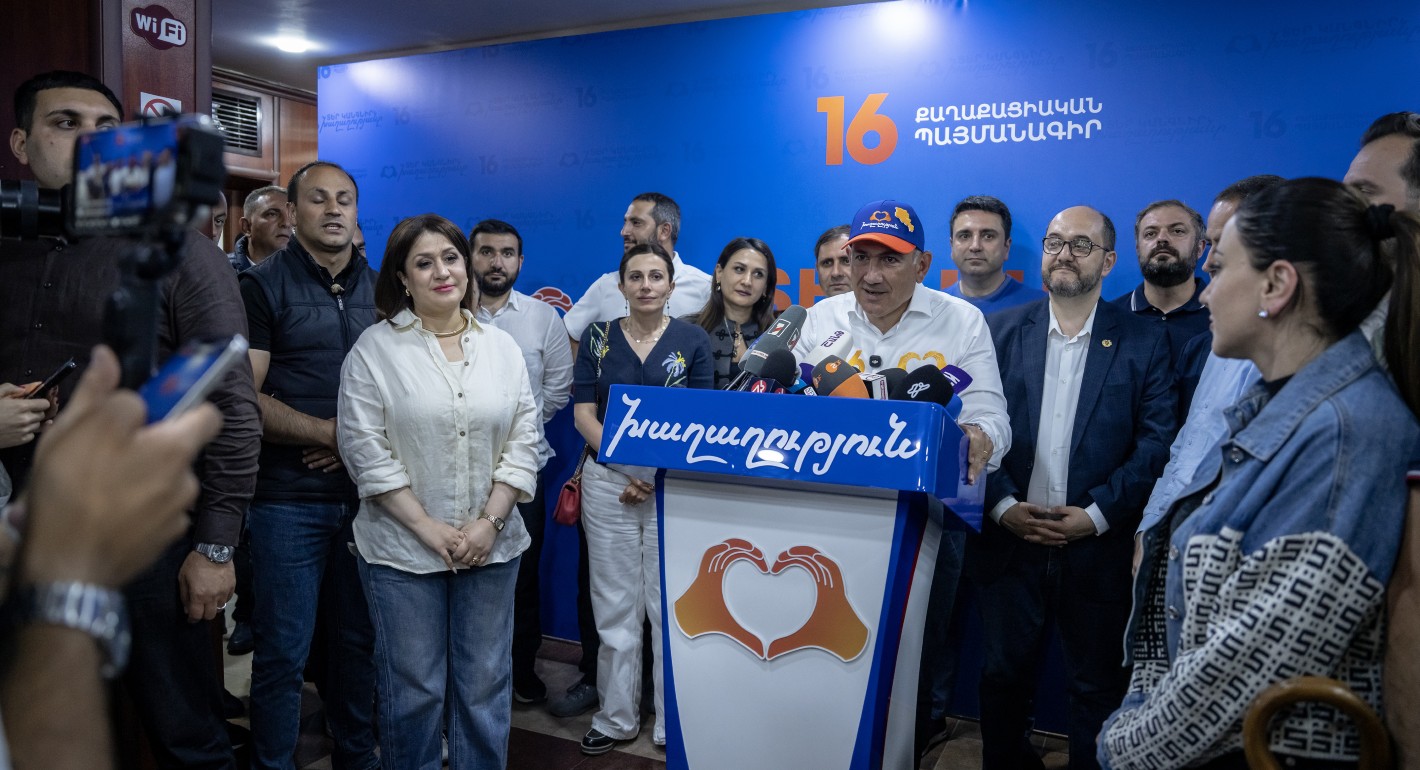
It’s time to build momentum, and Ankara is the venue of the next opportune diplomatic window to do this.

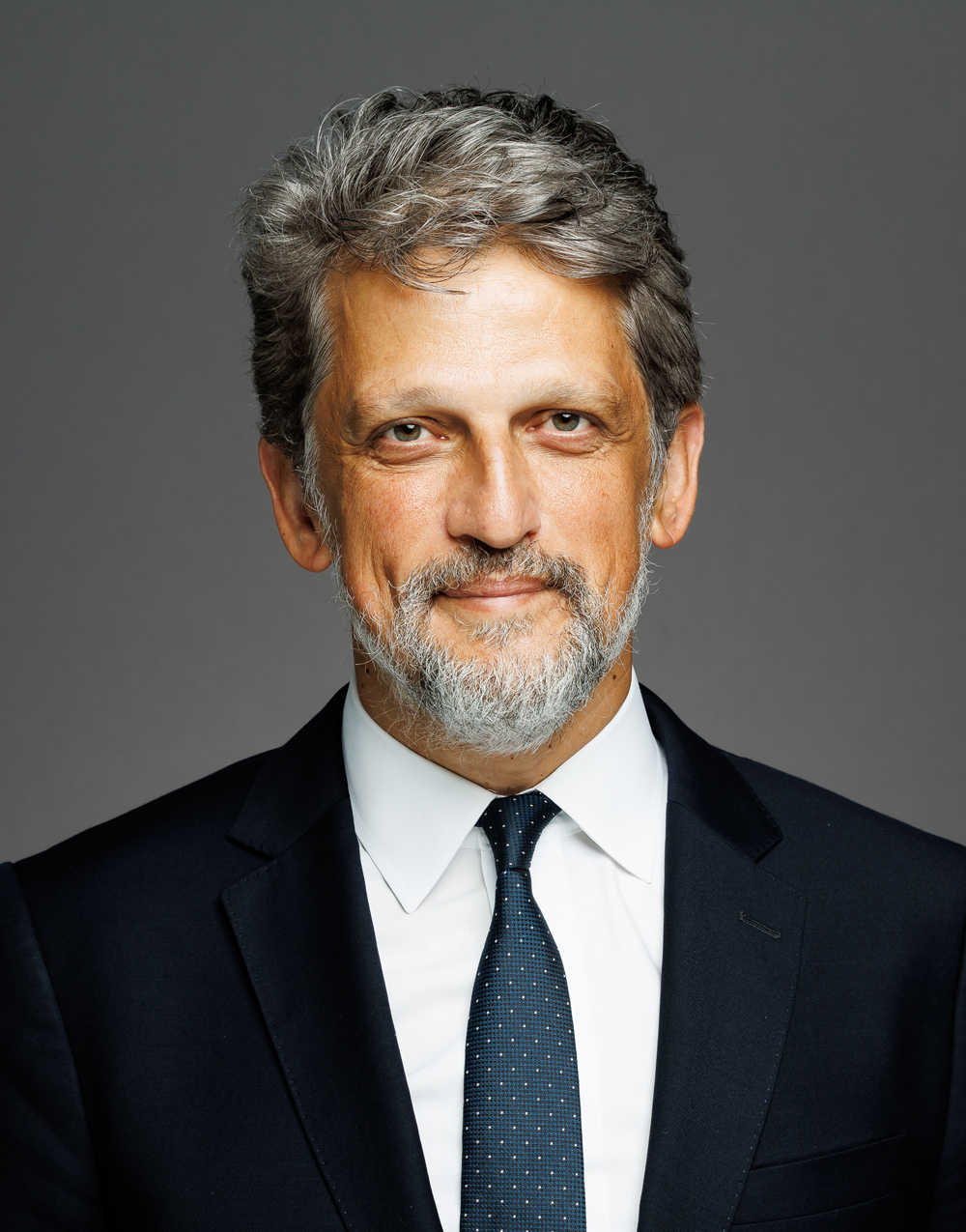
Alper Coşkun, Garo Paylan

The EU is putting together a new security strategy to meet today’s myriad challenges. But for any proposal to be effective, the union needs to grapple with its identity and ambitions.

Pierre Vimont
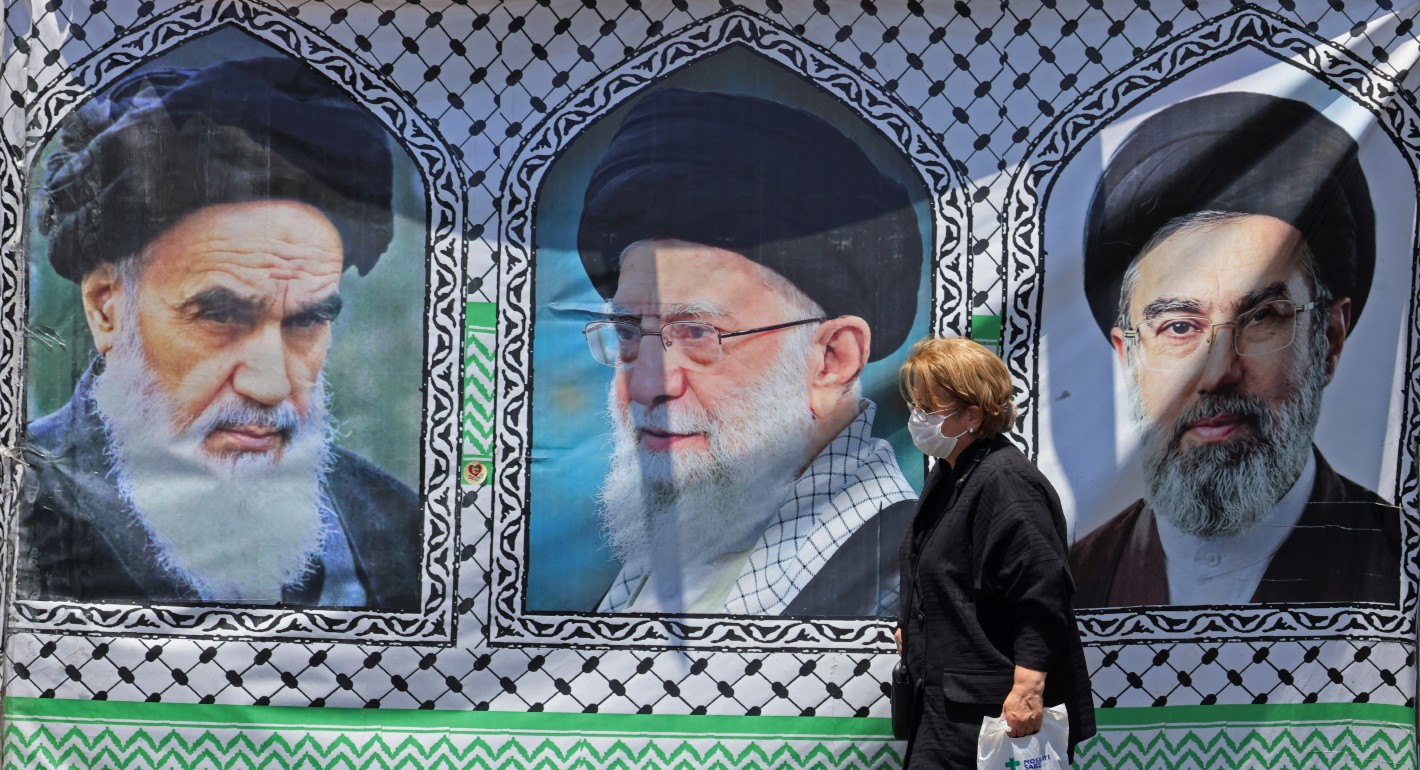
The Islamic Republic’s words and actions suggest that it has changed its approach to both diplomacy and war.
Mohammad Ayatollahi Tabaar
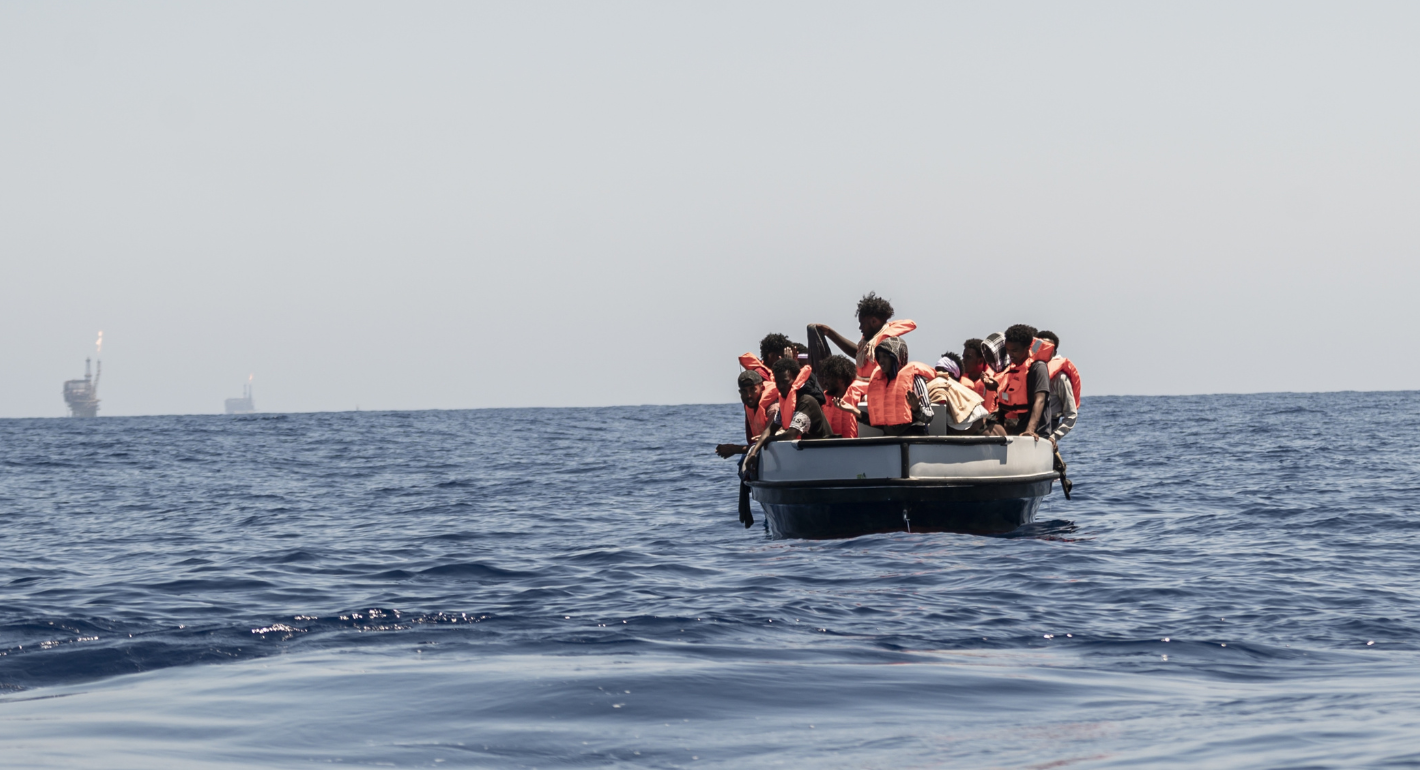
The EU’s new migration policy is not suited to today’s realities. With climate change increasingly becoming a driver of displacement, Europe needs to rethink its deterrence-focused approach.

Shana Tabak
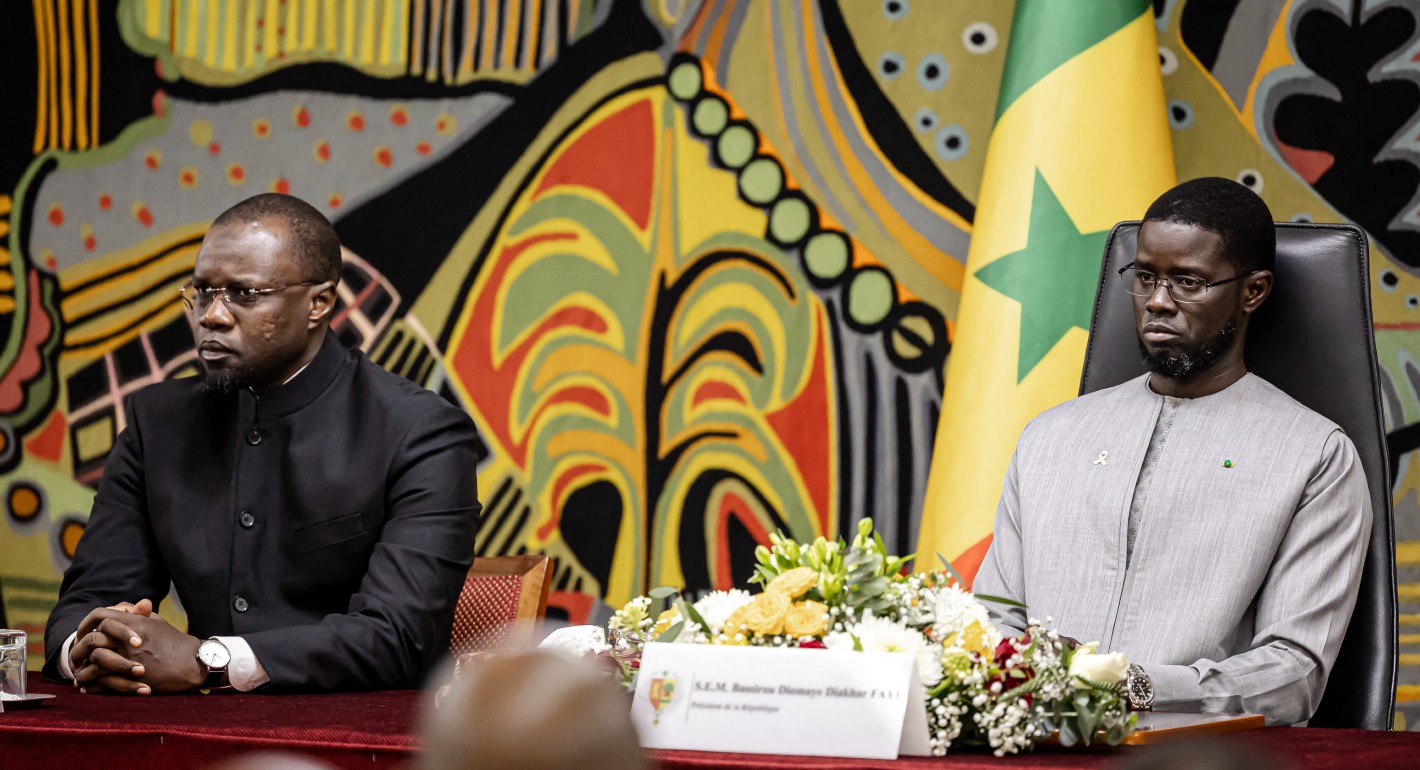
The impacts of the Faye-Sonko rupture could go well beyond the country’s borders.

Lesley Anne Warner