

Article
Frederic Grare
{
  "authors": [
    "Frederic Grare"
  ],
  "type": "legacyinthemedia",
  "centerAffiliationAll": "dc",
  "centers": [
    "Carnegie Endowment for International Peace"
  ],
  "collections": [],
  "englishNewsletterAll": "ctw",
  "nonEnglishNewsletterAll": "",
  "primaryCenter": "Carnegie Endowment for International Peace",
  "programAffiliation": "SAP",
  "programs": [
    "South Asia"
  ],
  "projects": [],
  "regions": [
    "South Asia",
    "India"
  ],
  "topics": [
    "Foreign Policy"
  ]
}
Source: Getty
While there is great hope for the future of the U.S.-India relationship, the fundamental power asymmetry will continue to inhibit the full development of the relationship.
Source: Chatham House
The future of Indian-US relations always raises questions. Each US presidential election generates new hopes and anxieties, and the triumph of Donald Trump was no exception. It had been welcomed in India with relative optimism. Tough language on China and Pakistan, and more importantly Trump’s willingness to improve relations with Russia, which Delhi immediately saw as a way to detach Moscow from Beijing, were music to Indian ears.
There were, of course, potential irritants: Trump’s intention to tighten H-1B visas, which allow skilled foreigners to work in US tech industries, and his promise to bring back jobs to the US from India were examples.
There were also uncertainties. How confrontational would a Trump presidency be with China? However, optimism prevailed with the candidate’s declaration of ‘love’ for Hindus and India and the nomination of no less than six Indian-Americans to his administration, including Nikki Haley as US ambassador to the United Nations. A Trump presidency seemed to be, at worst, something close to business as usual and, at best, India’s great hope.
Eight months into his presidency, Trump has significantly changed his stance on China. While the North Korean crisis can be held responsible for this, the absence of a clear US strategy towards China is more worrisome for India.
The new US administration is still not clear on the type of relationship it wants to build with Beijing. Similarly, Indian expectations for change in US-Russia relations have disappeared following allegations of collusion between the presidential campaign and Russians, to India’s dismay.
Other aspects of US foreign policy have been seen as more favourable to India. The nomination of the foreign policy hawk Lisa Curtis as senior director for South and Central Asia on the National Security Council and the consequent and sustained pressure on Pakistan to crack down on terrorist sanctuaries have been well received in New Delhi.
Similarly the announcement, on August 21, of a new Afghanistan strategy that Trump described as a ‘comprehensive, condition-based regional approach that would aim for a political solution there’ was welcomed by India, which had been concerned for months that the complete pull-out announced during Trump’s presidential campaign might lead to the collapse of the Afghan government.
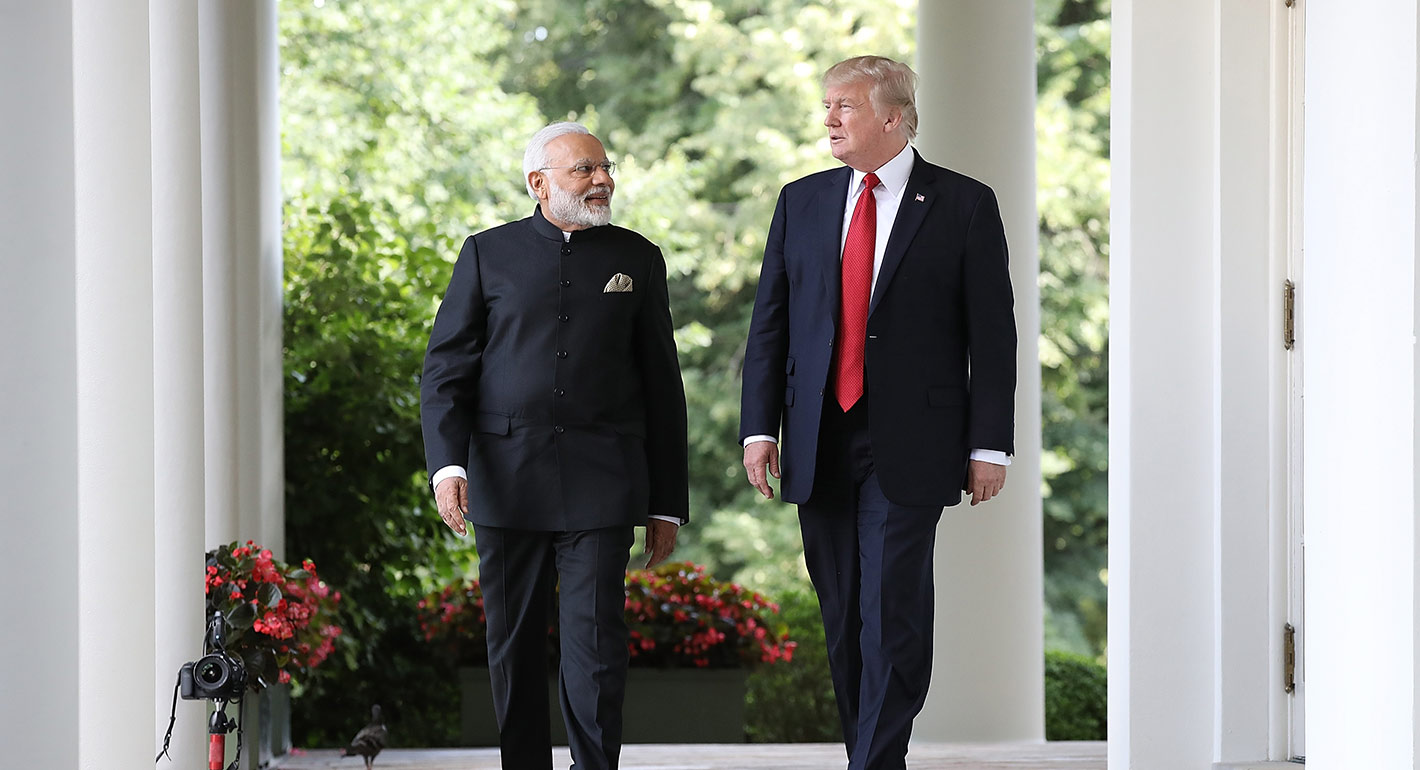
Fundamentally, however, the relationship is too unequal to develop harmoniously. Despite Prime Minister Narendra Modi’s decision to go further than his predecessors with the US, Delhi remains dependent on Washington’s goodwill. Until Modi’s visit, India did not figure very high on the agenda of the new administration.
On the eve of the visit, on June 25-26, Trump’s commitment to preserving the relationship his three predecessors had patiently built with India appeared uncertain. The idea of a strategic partnership, central to the policies of the previous administrations towards India was no longer at the top of the US agenda.
The unexpected success of the visit, as demonstrated by Indian Airlines’ order of 100 new American planes, the prospect of Indian imports of American natural gas as well as some symbolic political gestures such as the invitation to India of the US president, signalled the willingness of an Indian prime minister deeply invested in the relationship with the US to keep it on an upward trajectory.
Similarly the sale to India of 22 Guardian surveillance drones is on the cards, while there is talk of Lockheed Martin manufacturing American F-16s in India with the Tata group.
Modi did not leave Washington empty-handed. Besides strong language against Pakistan and the designation of Syed Salahuddin, the leader of the Kashmiri organization Hizbul-Mujahedin, as a ‘global terrorist’, Modi also obtained an increase of intelligence sharing with the United States.
Yet the outcome of the visit revealed a different dynamic to the bilateral relationship. All US presidents since Bill Clinton have based their policies on the assumption that a strong India is in the best interests of the United States. But the asymmetry of power between the two countries has always inhibited the full development of the relationship. Strategic convergence between the two countries, particularly in regard to a more assertive China, has made India potentially useful to Washington, but not indispensable.
Trump seems to be aware of both aspects of the equation, which reinforces a much more transactional way of conducting the relationship. Indian decision-makers, on their side, understand that US cooperation is now for sale, and act accordingly.
Such an approach is paradoxically leading to a situation where the need to get closer to the US will coexist with the desire for India to maintain its strategic autonomy.
In that sense the Trump presidency will only exacerbate some existing characteristics of India’s foreign policy. Yet, a less transactional policy would alter this trend marginally at best.
Indian decision-makers are too aware of the country’s vulnerabilities to accentuate them by becoming over-dependent of any external power, including the US. The asymmetry of power is and will remain the defining factor of the relationship.
Former Nonresident Senior Fellow, South Asia Program
Frédéric Grare was a nonresident senior fellow at the Carnegie Endowment for International Peace, where his research focuses on Indo-Pacific dynamics, the search for a security architecture, and South Asia Security issues.
Recent Work
Frederic Grare
Frederic Grare
Carnegie does not take institutional positions on public policy issues; the views represented herein are those of the author(s) and do not necessarily reflect the views of Carnegie, its staff, or its trustees.

Drawing on ten public discussions from the India AI Impact Summit 2026, this article highlights key outlooks on open source in AI that are likely to shape policy and governance conversations going forward.

Shruti Mittal
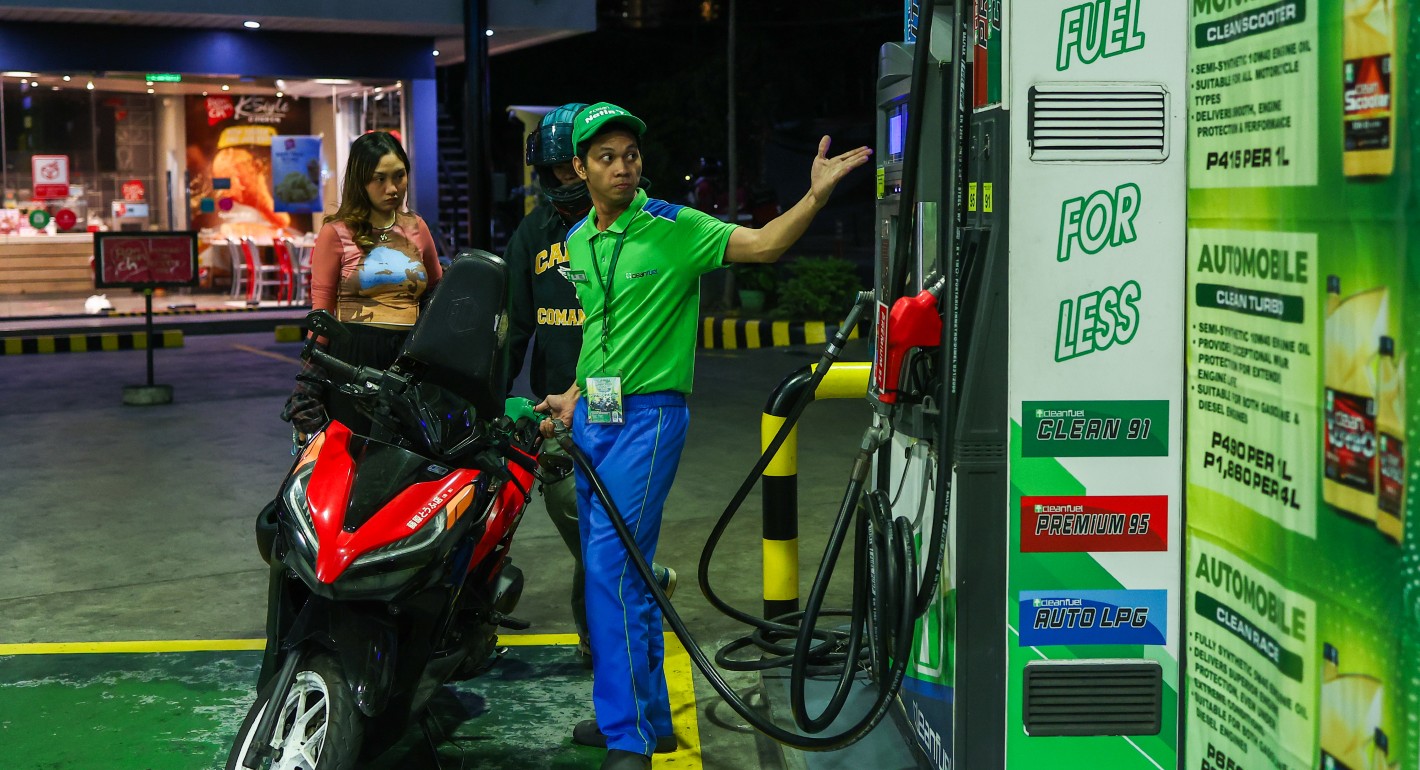
Instead, governments should adopt climate-friendly measures to address the impact of rising prices.
Henok Asmelash
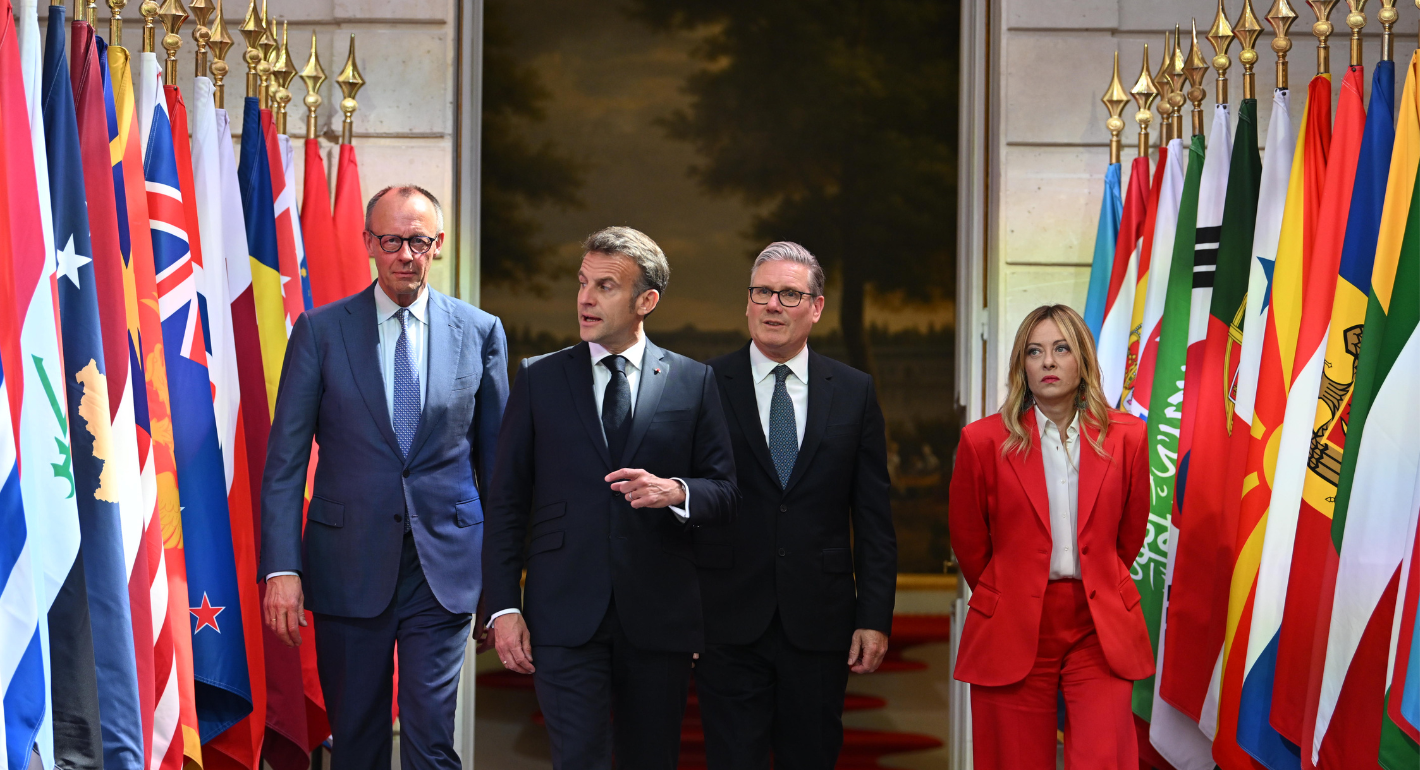
European leaders have now not only lost faith in Donald Trump’s U.S. presidency, but also in America’s hegemony as a whole. But short-term challenges make an immediate divorce unwise.

Rym Momtaz
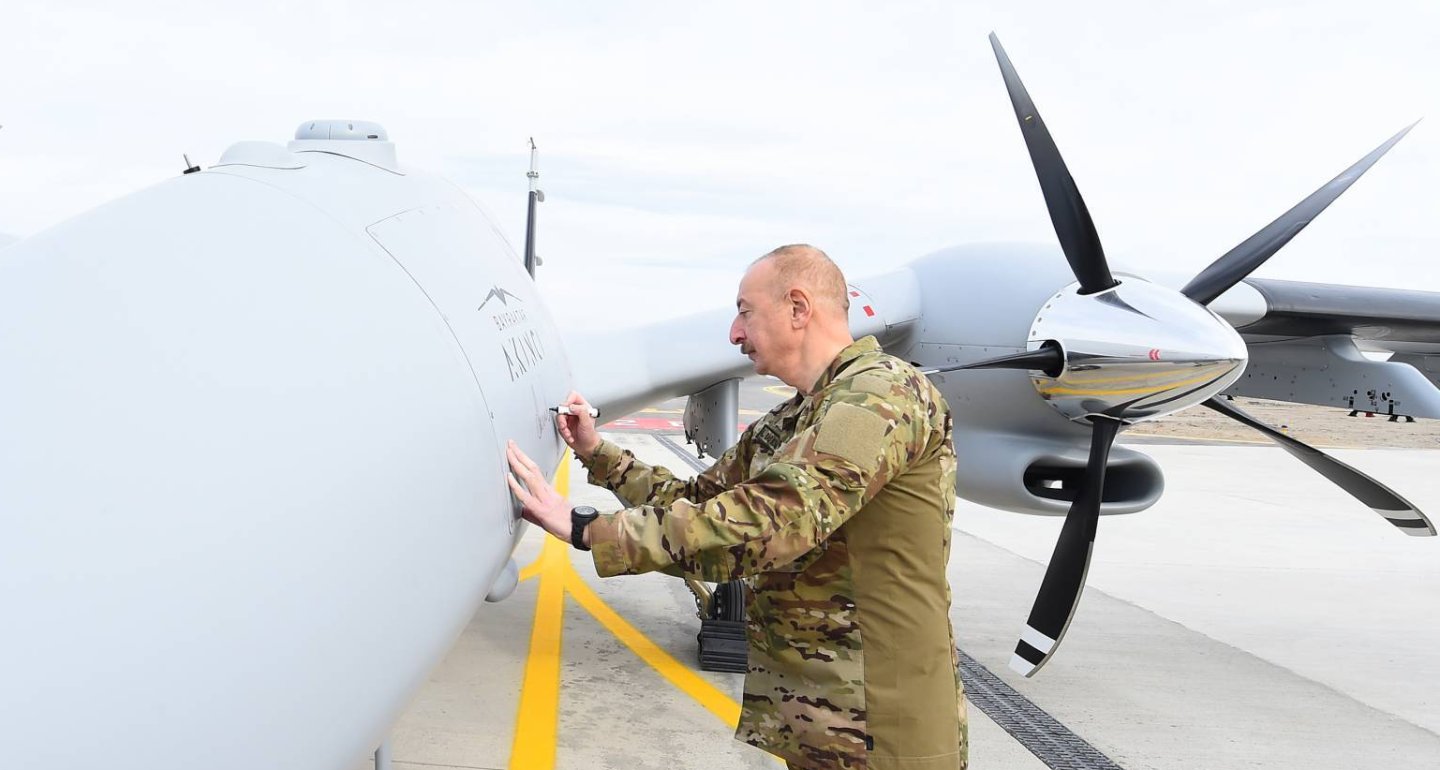
Baku’s backing for Ukraine is less about confronting Russia than about quietly broadening the mix of partners it relies on.
Zaur Shiriyev
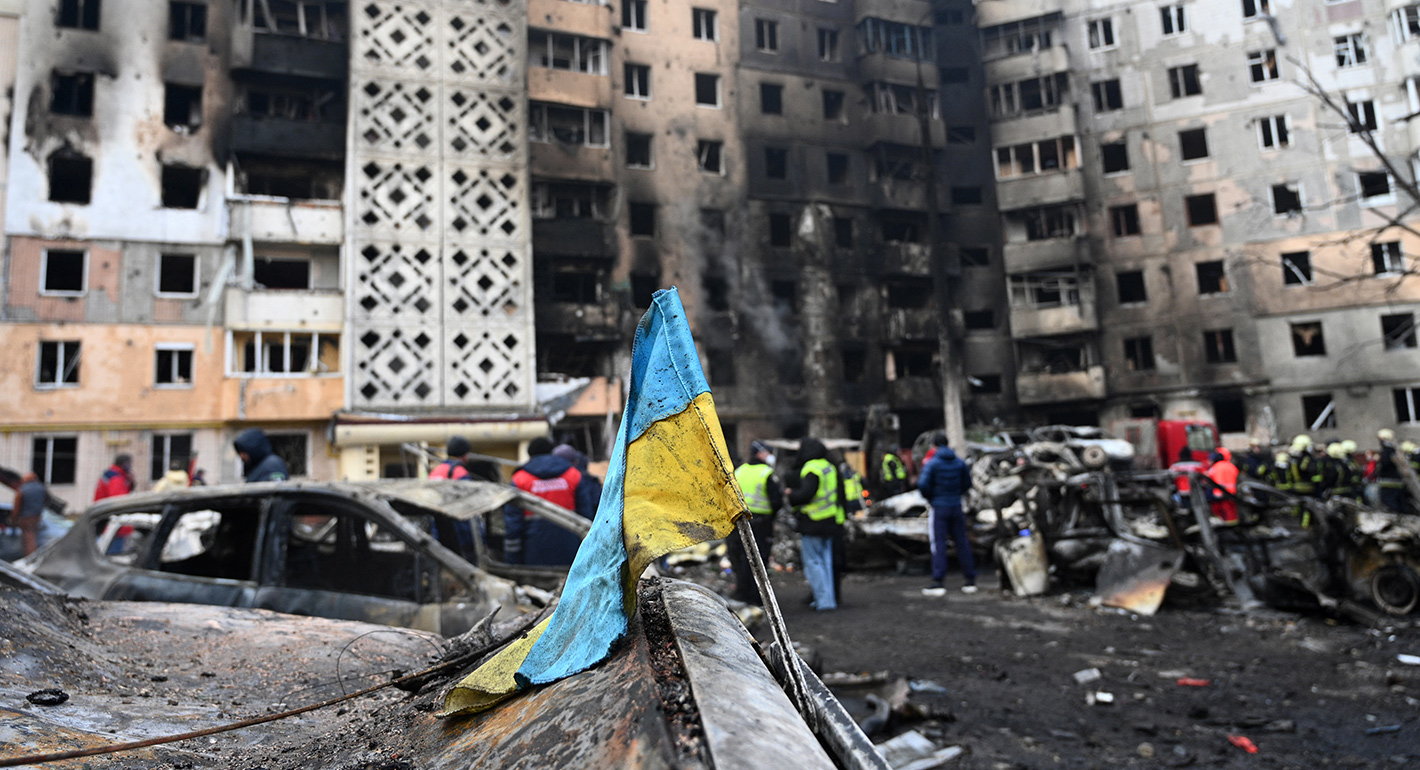
As the war in Ukraine enters its fifth year, it is worth examining where accountability efforts currently stand, how U.S. policy on Russian aggression has shifted, and what the Ukrainian experience reveals about the challenges of holding international aggressors to account.
Federica D’Alessandra