

Commentary
Sarah Chayes
{
  "authors": [
    "Sarah Chayes"
  ],
  "type": "legacyinthemedia",
  "centerAffiliationAll": "dc",
  "centers": [
    "Carnegie Endowment for International Peace"
  ],
  "collections": [
    "Anti-Corruption"
  ],
  "englishNewsletterAll": "democracy",
  "nonEnglishNewsletterAll": "",
  "primaryCenter": "Carnegie Endowment for International Peace",
  "programAffiliation": "DCG",
  "programs": [
    "Democracy, Conflict, and Governance"
  ],
  "projects": [],
  "regions": [],
  "topics": [
    "Democracy",
    "Global Governance",
    "Civil Society"
  ]
}
Source: Getty
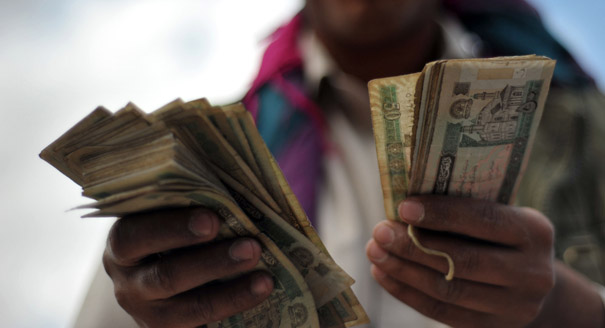
The network model, or operating system model, of corruption creates a serious security risk because it risks driving citizens to violence and joining insurgent groups.
Carnegie’s Sarah Chayes discussed the network model, or operating system model, of corruption with audiences at the Falling Walls conference in Berlin. She explained that this style of corruption, which inflames the indignity of average citizens, creates a serious security risk because it risks driving those citizens to violence and recruitment in insurgent groups. Additionally, this kind of kleptocratic network operation can also be found operating in force in the developed world, she added. She said that the key to fighting it involves developing widespread social sanctions against it and by keeping it non-partisan.
Former Senior Fellow, Democracy, Conflict, and Governance Program
Sarah Chayes is internationally recognized for her innovative thinking on corruption and its implications. Her work explores how severe corruption can help prompt such crises as terrorism, revolutions and their violent aftermaths, and environmental degradation.
Recent Work
Sarah Chayes
Carnegie does not take institutional positions on public policy issues; the views represented herein are those of the author(s) and do not necessarily reflect the views of Carnegie, its staff, or its trustees.
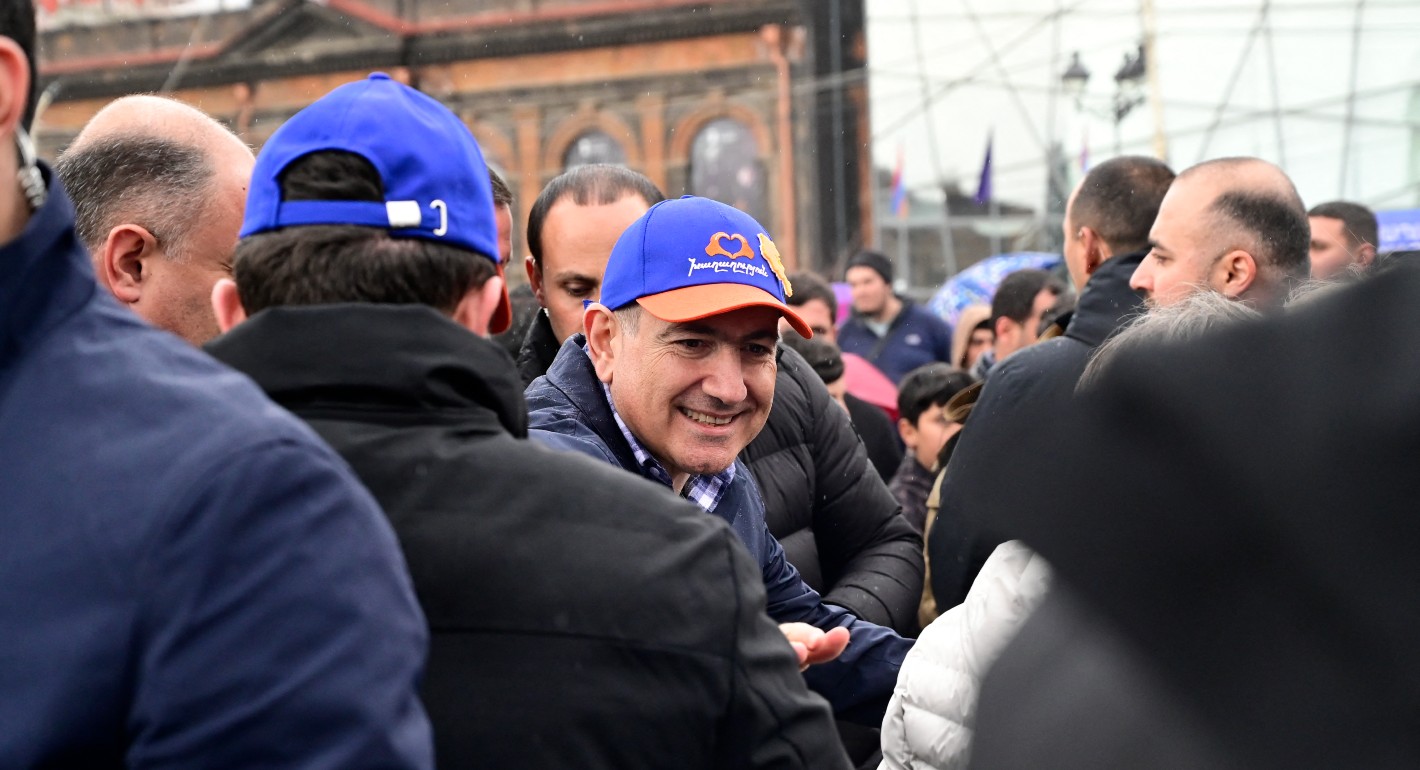
By fueling the arguments of both supporters and opponents of Armenian Prime Minister Nikol Pashinyan, Azerbaijan wants to ensure he is re-elected with a weaker mandate.

Bashir Kitachaev
The battle over free speech has taken center stage since U.S. Vice President JD Vance accused Europe of censorship. From travel bans to social media regulation, especially around the Israel-Palestine conflict, are liberal democratic governments weaponizing free speech?

Rym Momtaz, ed.
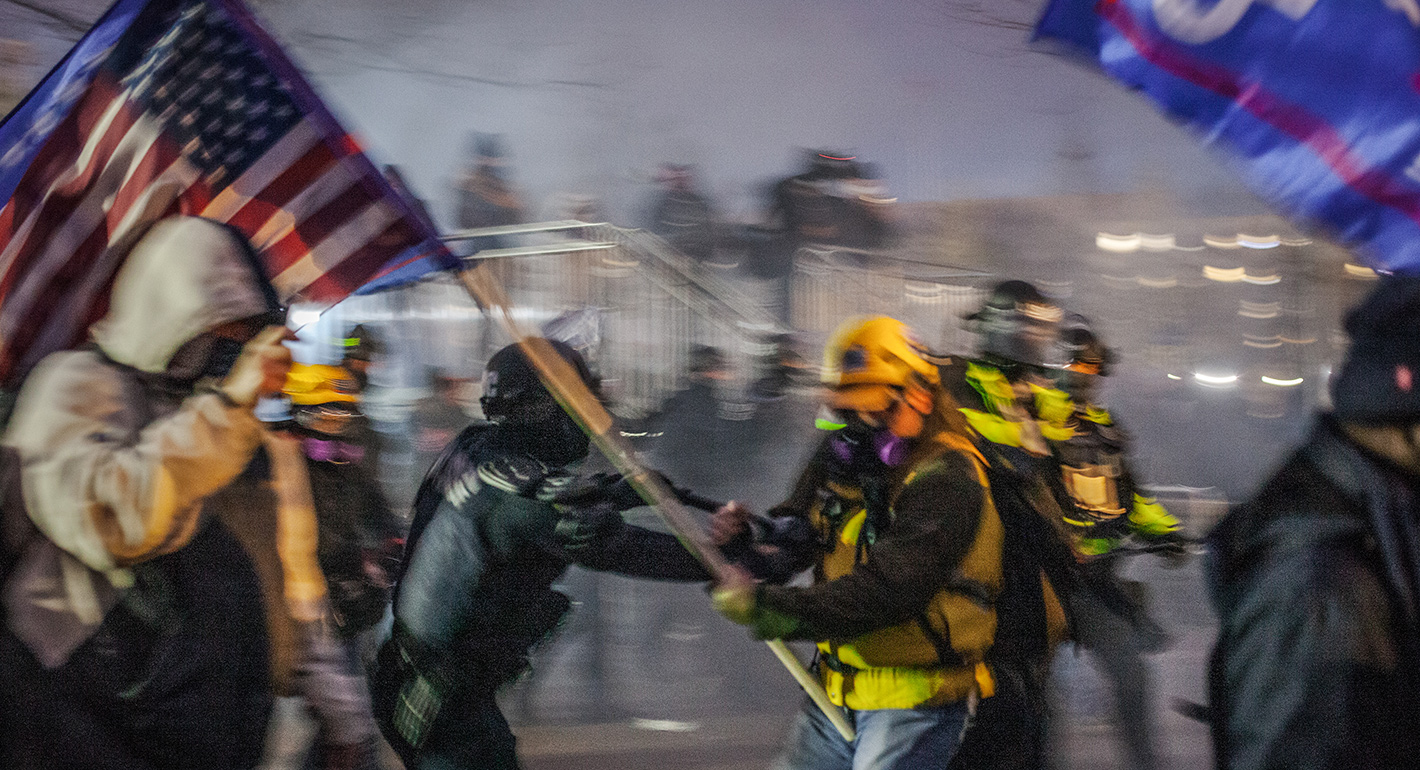
What is political violence and what works to reduce it.
Political Violence Researchers, Rachel Kleinfeld, ed., Dalya Berkowitz, ed.
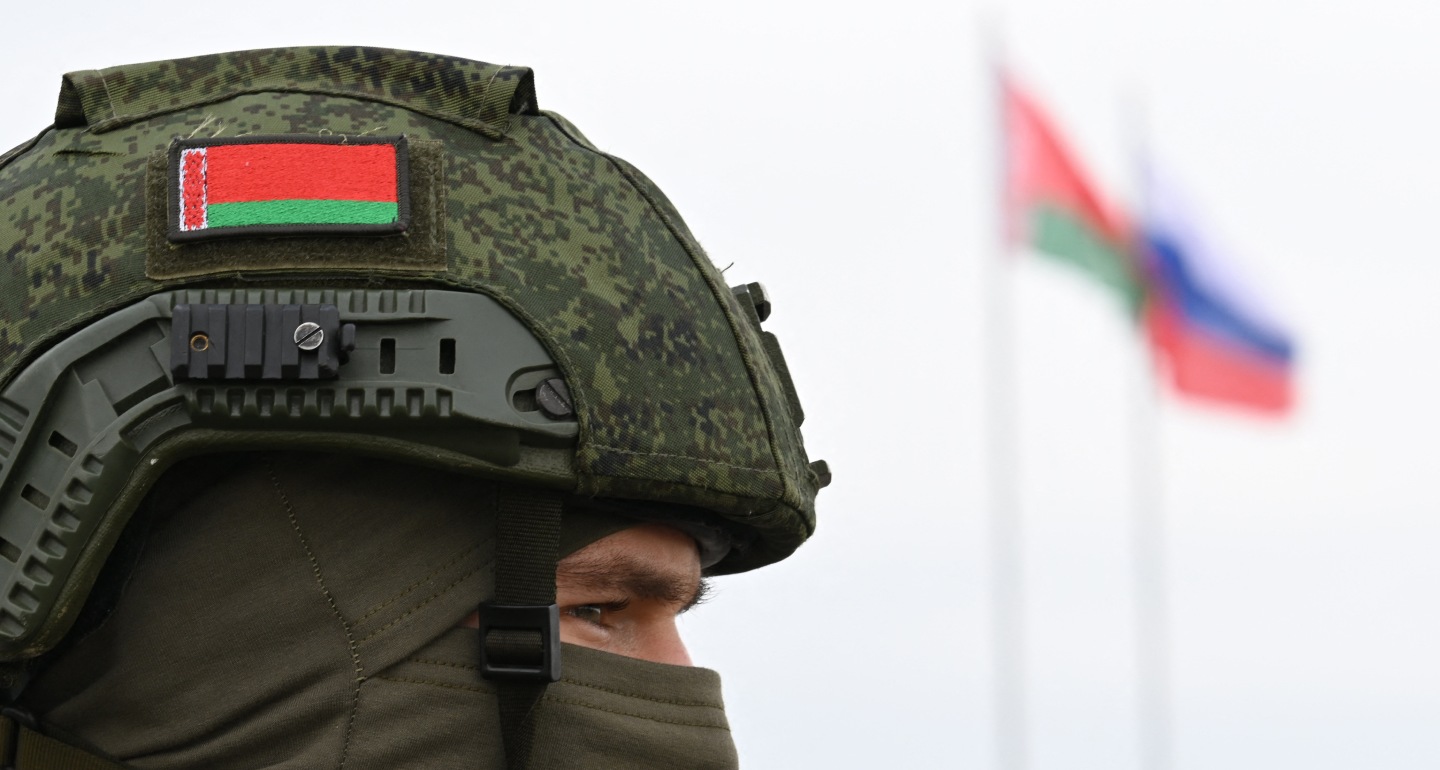
By reminding the world that Lukashenko is a threat to NATO and Ukraine, Kyiv is trying to return the focus to why the Belarusian regime needs to be contained rather than rewarded.

Artyom Shraibman
Regardless of the outcome, there’s another path to ensuring that progress doesn’t stall.

Zaur Shiriyev