

Research
- +11
Frances Z. Brown, Nate Reynolds, Priyal Singh, …
{
  "authors": [
    "Frances Z. Brown"
  ],
  "type": "legacyinthemedia",
  "centerAffiliationAll": "dc",
  "centers": [
    "Carnegie Endowment for International Peace",
    "Malcolm H. Kerr Carnegie Middle East Center"
  ],
  "collections": [],
  "englishNewsletterAll": "democracy",
  "nonEnglishNewsletterAll": "",
  "primaryCenter": "Carnegie Endowment for International Peace",
  "programAffiliation": "DCG",
  "programs": [
    "Democracy, Conflict, and Governance"
  ],
  "projects": [],
  "regions": [
    "Middle East",
    "Syria",
    "Levant"
  ],
  "topics": [
    "Political Reform",
    "Security",
    "Foreign Policy"
  ]
}
Source: Getty
U.S. political commitment and leadership are essential to establishing inclusive, stable governance in eastern Syria.
Source: Axios
The Trump administration announced Friday that it will not spend some $230 million in stabilization assistance that had been slated for U.S. civilian programs in Syria. The State Department said the cut would be more than offset by other contributions from international partners.
The big picture: A U.S. military partnership with the Syrian Democratic Forces has liberated most of northeast Syria from the so-called Islamic State. Following clearance operations, stabilization programs provide de-mining, electricity, health, water and critical service delivery essential to relieve the devastation left in ISIS's wake. Even with foreign contributions, the U.S. spending cut presents real risks.
It is certainly a welcome development that, according to the State Department, partners including Australia, Denmark, the European Union, France, Germany, Italy, Kuwait, Norway, Taiwan, the United Arab Emirates and Saudi Arabia have offered to help. But more efforts are needed.
First, to ensure that ISIS is permanently defeated and civilians are willing to return home, stabilization assistance must be channeled toward the goal of establishing inclusive, stable governance in eastern Syria. That, in turn, requires U.S. leadership. Instead, by cutting its modest civilian engagement, the U.S. risks ceding its (already limited) ability to shape governance outcomes in Syria.
Second, the proliferation of stabilization actors on the ground raises the risk of inefficiency or gaps. The State Department also noted that some partner funds are being directed into U.S. programs. Such transfers present legal, organizational and accountability challenges; if included in this group, there would be particular complexities of U.S. stabilization program managers overseeing, for example, Gulf state monetary contributions.
Close management will be needed to ensure stabilization investments are prioritized and channeled to advance the goal of a stable, inclusive eastern Syria. Instead, Friday's announcement signals a de facto ceding of U.S. oversight.
Most broadly, the stakes for getting stabilization right are high: ISIS could still reconstitute itself in Syria or neighboring Iraq, further exacerbating the massive human suffering and displacement across the region.
The bottom line: As the U.S.' own stabilization assistance guidance notes, effective stabilization must work toward a defined political objective. Funding contributions from partners won't be enough to compensate for an absence of U.S. political commitment and leadership.

Vice President for Studies; Acting Director, Africa Program
Dr. Frances Z. Brown is a vice president for studies at the Carnegie Endowment for International Peace. Brown served on the White House National Security Council (NSC) staff over the past three presidential administrations. Her research focuses on U.S. foreign policy, Africa, the Middle East, and governance.
Recent Work

Frances Z. Brown, Nate Reynolds, Priyal Singh, …

Saskia Brechenmacher, Frances Z. Brown
Carnegie does not take institutional positions on public policy issues; the views represented herein are those of the author(s) and do not necessarily reflect the views of Carnegie, its staff, or its trustees.
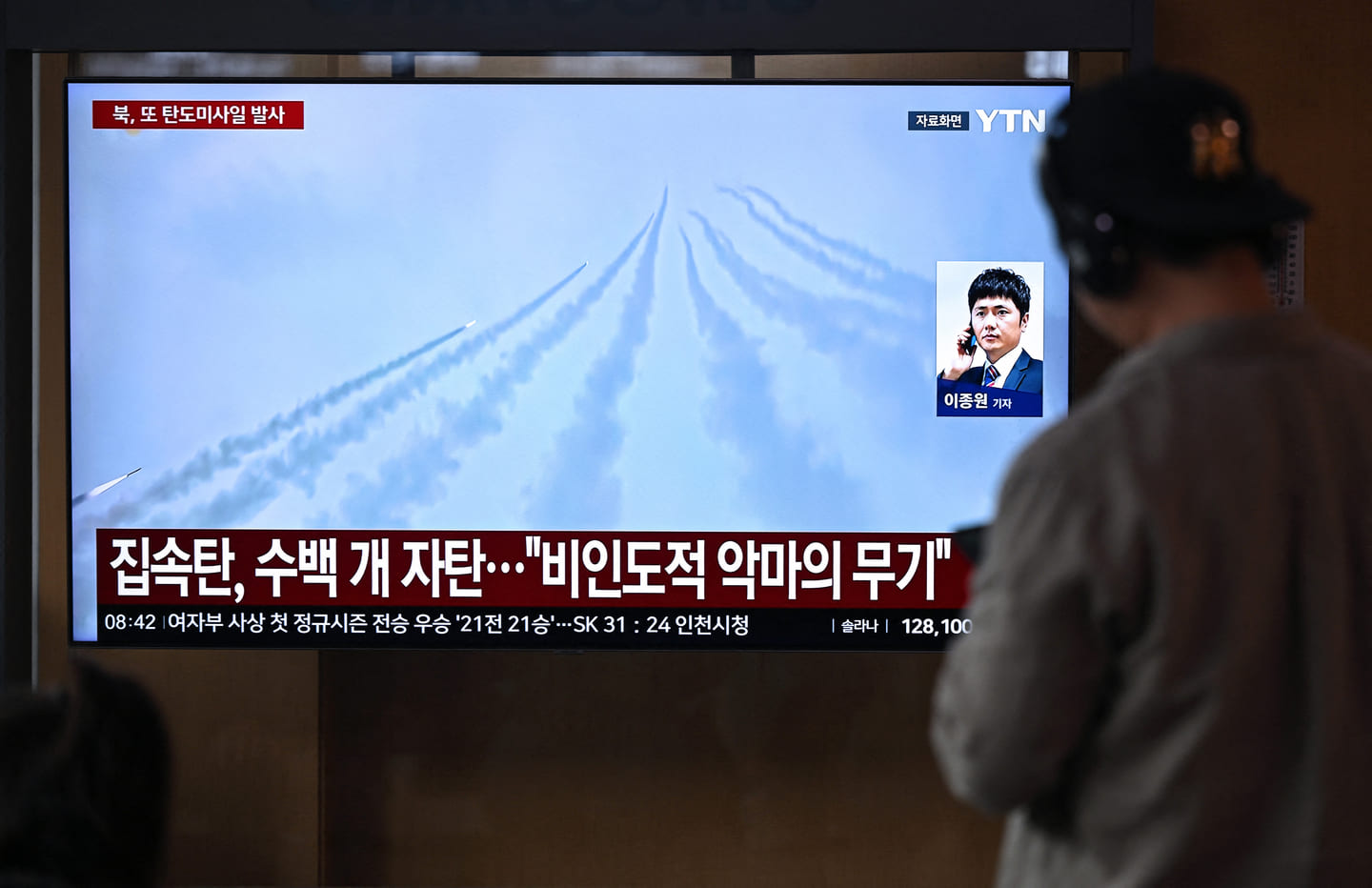
Troubled by the growing salience of nuclear debates in East Asia, Moscow has responded in its usual way: with condemnation and threats. But by exacerbating insecurity, Russia is forcing South Korea and Japan to consider radical security options.

James D.J. Brown

Hanoi and Beijing have long treated each other as distant cousins rather than comrades in arms. That might be changing as both sides draw closer to hedge against uncertainty and America’s erratic behavior.

Nguyễn Khắc Giang
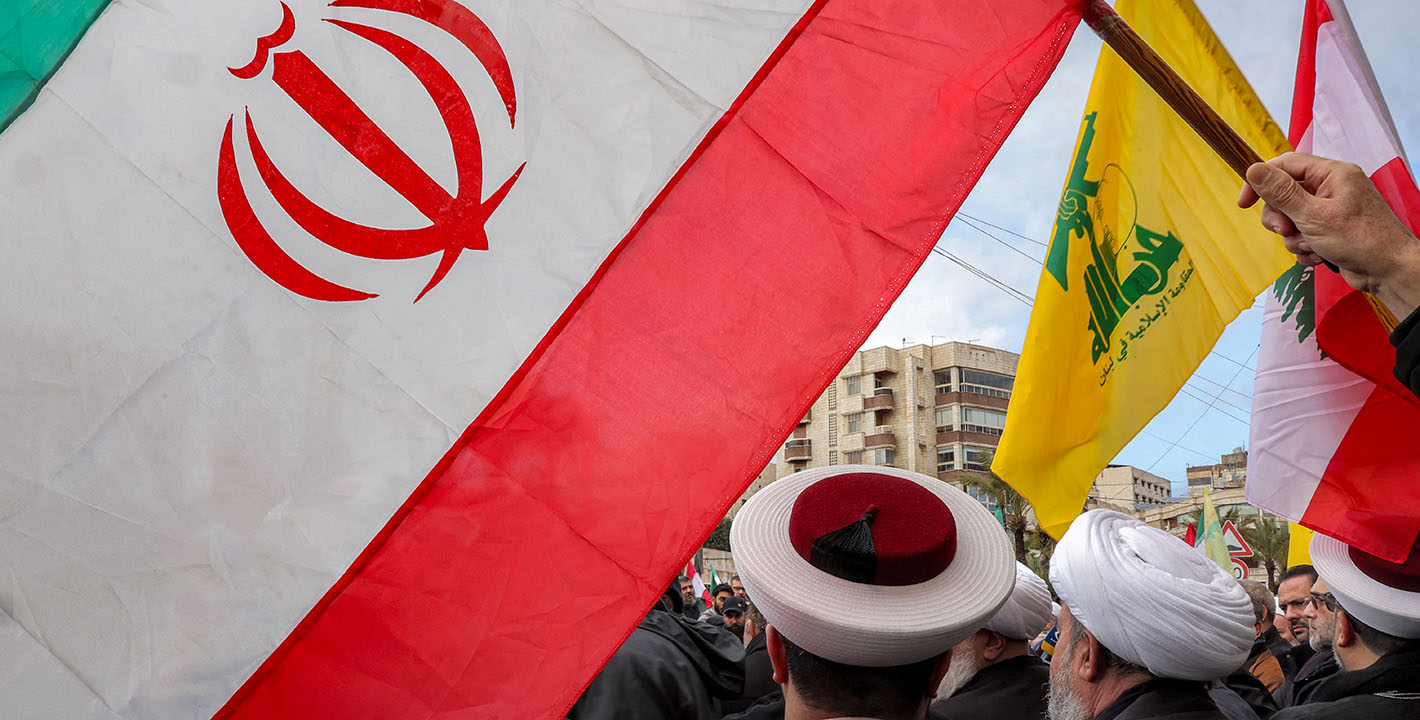
The community seeks maintain a distance from Hezbollah, and an even greater one from normalization with their southern neighbor.
Mohamad Fawaz

The conflict is exposing the flaws and fissures of their domestic governance and social cohesion.

Frederic Wehrey, Charles H. Johnson

Closer EU-UK ties could help address urgent European concerns. But is the EU ready for rapprochement with the United Kingdom?

Rym Momtaz, ed.