

Commentary
Despite unhappiness on the ground, Moscow is determined to use both carrot and stick to ensure there is record support for United Russia in occupied Ukraine.
Konstantin Skorkin
{
  "authors": [
    "Richard Sokolsky",
    "Daniel R. DePetris"
  ],
  "type": "legacyinthemedia",
  "centerAffiliationAll": "",
  "centers": [
    "Carnegie Endowment for International Peace"
  ],
  "collections": [],
  "englishNewsletterAll": "",
  "nonEnglishNewsletterAll": "",
  "primaryCenter": "Carnegie Endowment for International Peace",
  "programAffiliation": "",
  "programs": [],
  "projects": [],
  "regions": [
    "North America",
    "United States",
    "East Asia",
    "North Korea"
  ],
  "topics": [
    "Security",
    "Foreign Policy",
    "Nuclear Policy",
    "Arms Control"
  ]
}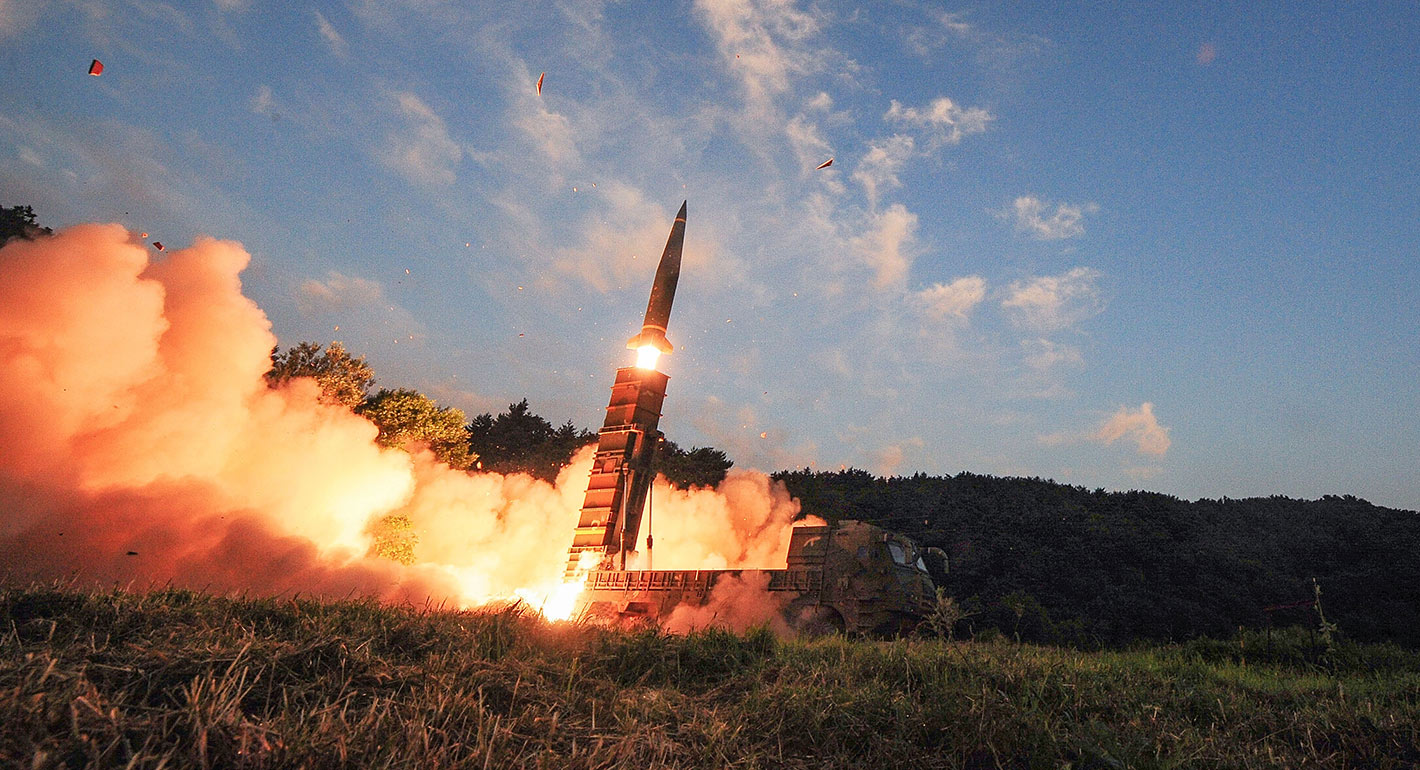
Source: Getty
Reducing North Korea’s nuclear weapons and ballistic missile capabilities may be necessary for permanent peace and security on the peninsula, but it is not enough.
Source: CNN
Predicting the outcome of the upcoming summit between President Donald Trump and North Korean leader Kim Jong Un has become a parlor game in Washington. The smart money shouldn't bet on a historical breakthrough toward complete denuclearization.
It's more likely the two leaders will hit a single or double -- a limited but substantive North Korean move on denuclearization; positive gestures by the administration on normalization of US-North Korean relations, building peace on the Korean Peninsula and limited sanctions relief; and the creation of a regular process to implement summit agreements.
What is striking about the commentariat's prognoses is their near total fixation on the North's nuclear weapons and whether the day after the summit Pyongyang will be on the hook to make some bold and irreversible step toward denuclearization. This is the wrong standard by which to define success.
Many experts have conflated positive movement toward North Korean denuclearization with progress toward achieving enduring peace and security on the Korean Peninsula. Reducing North Korea's nuclear weapons and ballistic missile capabilities may be necessary for permanent peace and security on the peninsula, but it is not enough.
Equally, if not more important, is whether North and South Korea normalize relations, lower tensions and reduce the risk of war. The American public can be forgiven, because of the fixation of the press and pundits on denuclearization, for not appreciating the considerable progress the two Koreas have made in expanding inter-Korean reconciliation and building a peace and security regime on the peninsula. The process has registered disapproval from senior US officials over certain military-to-military deconfliction measures -- such as a plan by North and South Korea to set up a no-fly-zone -- at the Demilitarized Zone.
Secretary of State Mike Pompeo has also publicly counseled South Korea to not allow inter-Korean reconciliation talks to get ahead of its own lagging denuclearization diplomacy with the North. The Trump administration should not only leave the two Koreas alone to continue down this path, but lend its active support to these initiatives.
As the summit approaches, there is a mix of anticipation and trepidation about what could happen when Trump and Kim begin talking behind closed doors. There is considerable worry inside the Washington beltway that Trump will agree to withdraw US troops from South Korea in exchange for more empty promises from Kim. Others are providing Trump with bad advice, warning that a declaration formally ending the Korean War should not even be on the table. Fortunately, the President, at least for now, seems to be ignoring this advice.
Even more importantly, although some senior US government officials are continuing to advocate rapid and complete North Korean nuclear disarmament before the United States offers any concessions, the administration appears to have embraced what US negotiator Stephen Biegun has referred to as a more reasonable process of incremental, step-by-step diplomacy. It was always unrealistic to believe that Pyongyang would move rapidly toward nuclear disarmament without Washington taking concrete steps to end what North Korea sees as a hostile policy.
For the summit to be labeled a success, Washington and Pyongyang will both need to walk away with modest but still significant achievements that will help sustain what promises to be a protracted and rocky diplomatic process.
The touchstone of a successful outcome for the United States would include Kim's agreement on a concrete plan to completely and irreversibly dismantle, under international supervision, North Korea's plutonium and uranium enrichment facilities at Yongbyon. In return, the United States should commit to formally declaring an end to the Korean War; to providing limited sanctions relief to kickstart inter-Korean economic projects; and to offering a political statement of US intentions to pursue more normal relations with North Korea.
These steps are critical if the two sides, as General Vincent Brooks, the former commander of US forces in Korea, explained, hope to turn the page on 70 years of mutual distrust and lay a foundation for more progress toward North Korean nuclear disarmament.
Nonetheless, a limited agreement along these lines would maintain diplomatic momentum. Just as importantly, Trump would be able to show America's South Korean allies that Washington is interested in enabling rather than blocking President Moon Jae-in's Korean peace initiative with the North -- one that has resulted in substantive confidence-building measures in the military domain and discussions between the Koreas on additional economic, diplomatic, cultural and political exchanges.
Extracting concessions on the nuclear file while increasing the prospects of inter-Korean reconciliation would be a significant personal achievement for Trump and a major boost to the paramount US national security interest on the Korean Peninsula of establishing a permanent peace.
At the summit, Trump will need something much more concrete from Kim than the vague and nonbinding pledges he received last year in Singapore. But the American public, always impatient for instant success, needs to remember that North Korea's complete denuclearization will take years to accomplish -- if it can be achieved at all. In the meantime, banishing the threat of war on the Korean Peninsula would be an even more groundbreaking accomplishment.

Nonresident Senior Fellow, Russia and Eurasia Program
Richard Sokolsky is a nonresident senior fellow in Carnegie’s Russia and Eurasia Program. His work focuses on U.S. policy toward Russia in the wake of the Ukraine crisis.
Daniel R. DePetris
Daniel R. DePetris is a foreign policy analyst based in New York and a columnist for The National Interest.
Carnegie does not take institutional positions on public policy issues; the views represented herein are those of the author(s) and do not necessarily reflect the views of Carnegie, its staff, or its trustees.

Despite unhappiness on the ground, Moscow is determined to use both carrot and stick to ensure there is record support for United Russia in occupied Ukraine.

Konstantin Skorkin

Morocco and Algeria, each in its own way, are having to navigate the global economic fallout of the U.S.-Israeli military campaign against Iran.

Yasmine Zarhloule

Despite Morocco’s hopes that its film industry would reap rewards, the blockbuster’s success will be tainted by controversy surrounding filming in occupied Western Sahara.

Sarah Yerkes
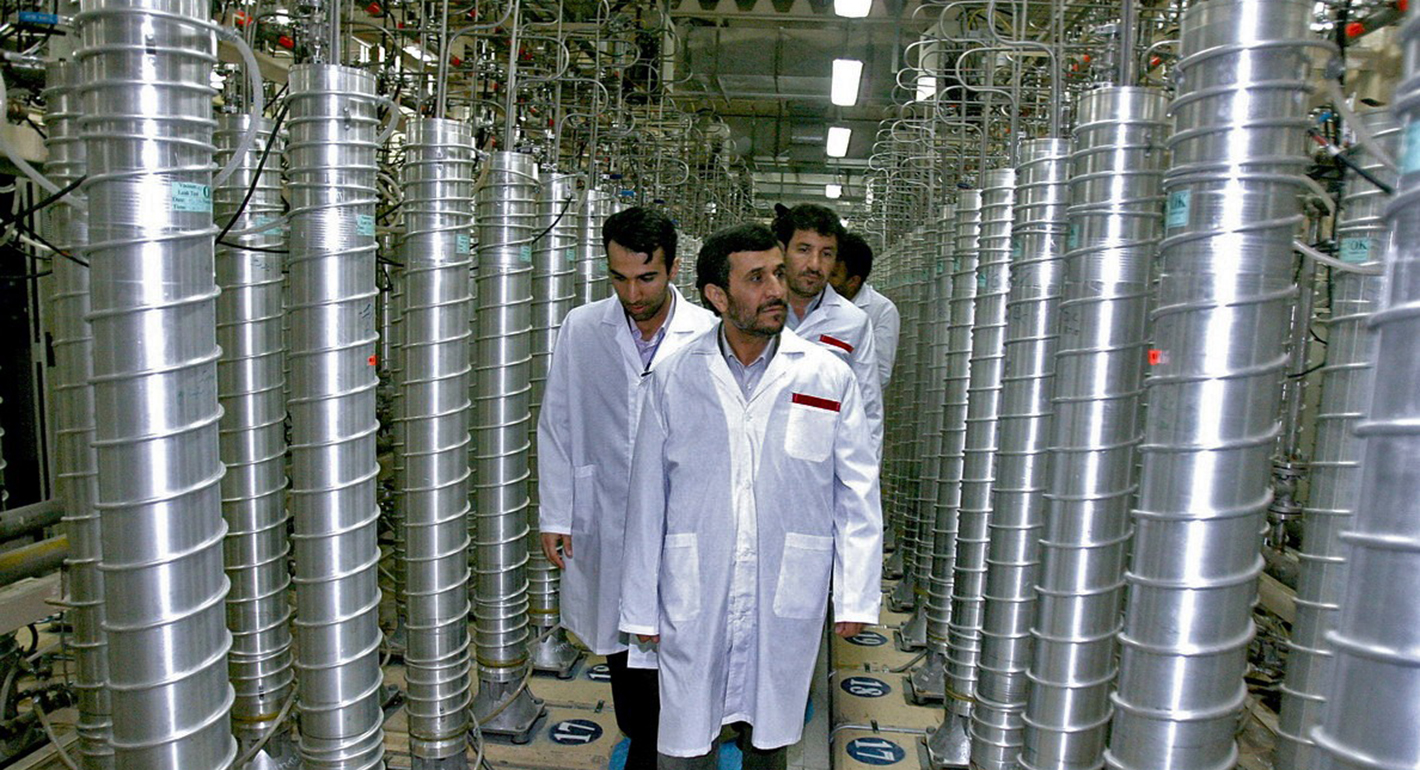
The nuclear weapons threshold is increasingly important for proliferation strategy and policy. Policymakers should better understand the implications of the threshold phenomenon in the current international security environment and plausible strategies to deal with the growing challenge that it presents.


Ariel (Eli) Levite, Toby Dalton
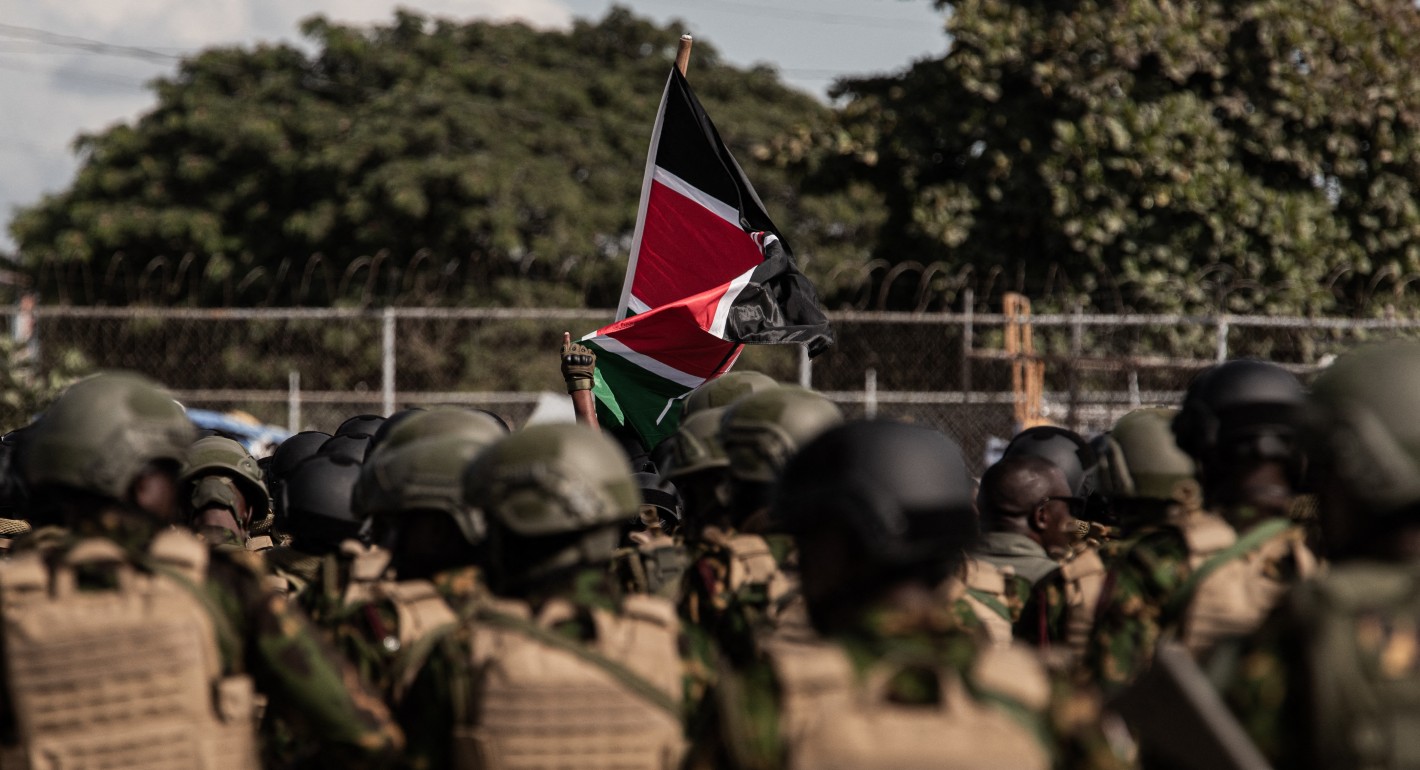
Helping to stabilize Haiti is in the United States’ national interest and can be done by making wise use of various foreign policy tools in addition to supporting international security forces.

Christopher Shell